
Last updated September 10, 2026
Level 1 sweep and inspection to the NFPA 211 annual standard - flue, crown, cap, and flashing checked and photographed
Chimney sweep logs do not sweep chimneys. They loosen some creosote - which then falls where a brush and vacuum still have to collect it.
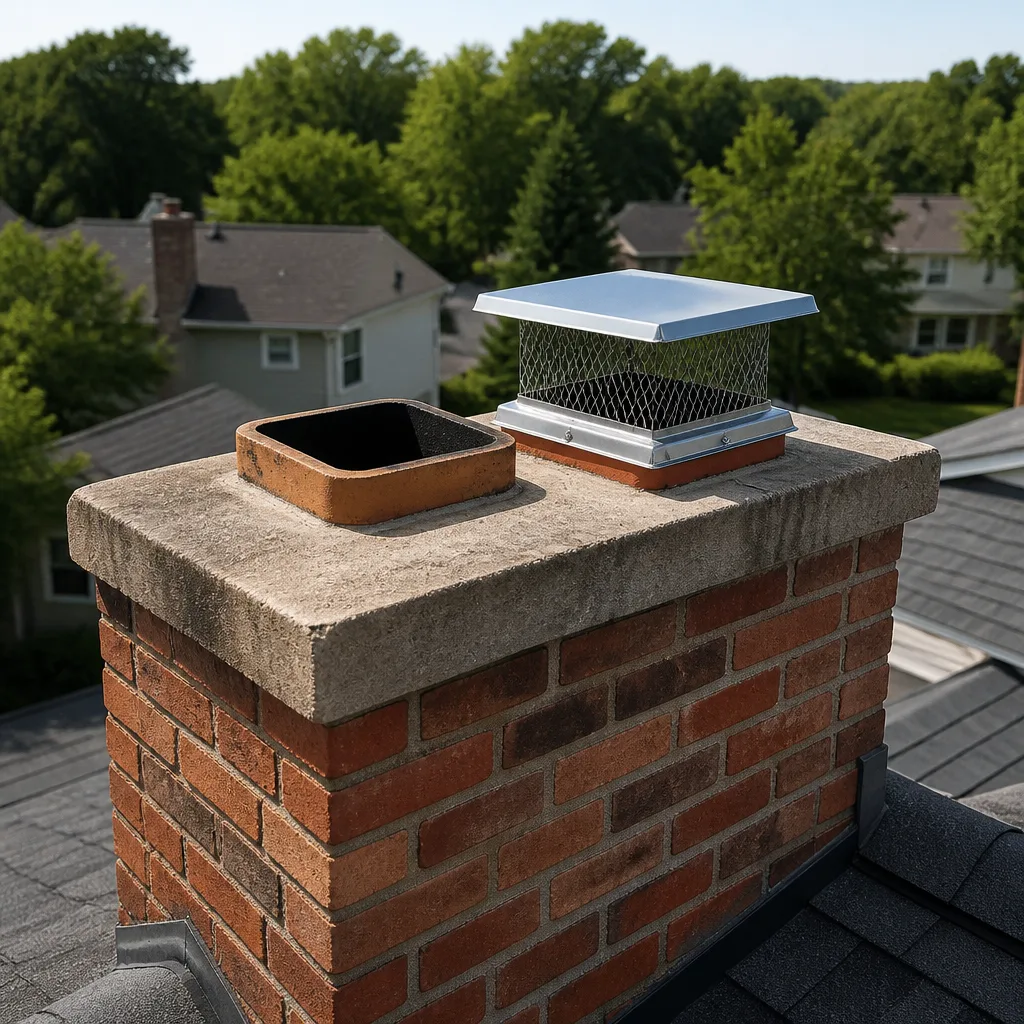
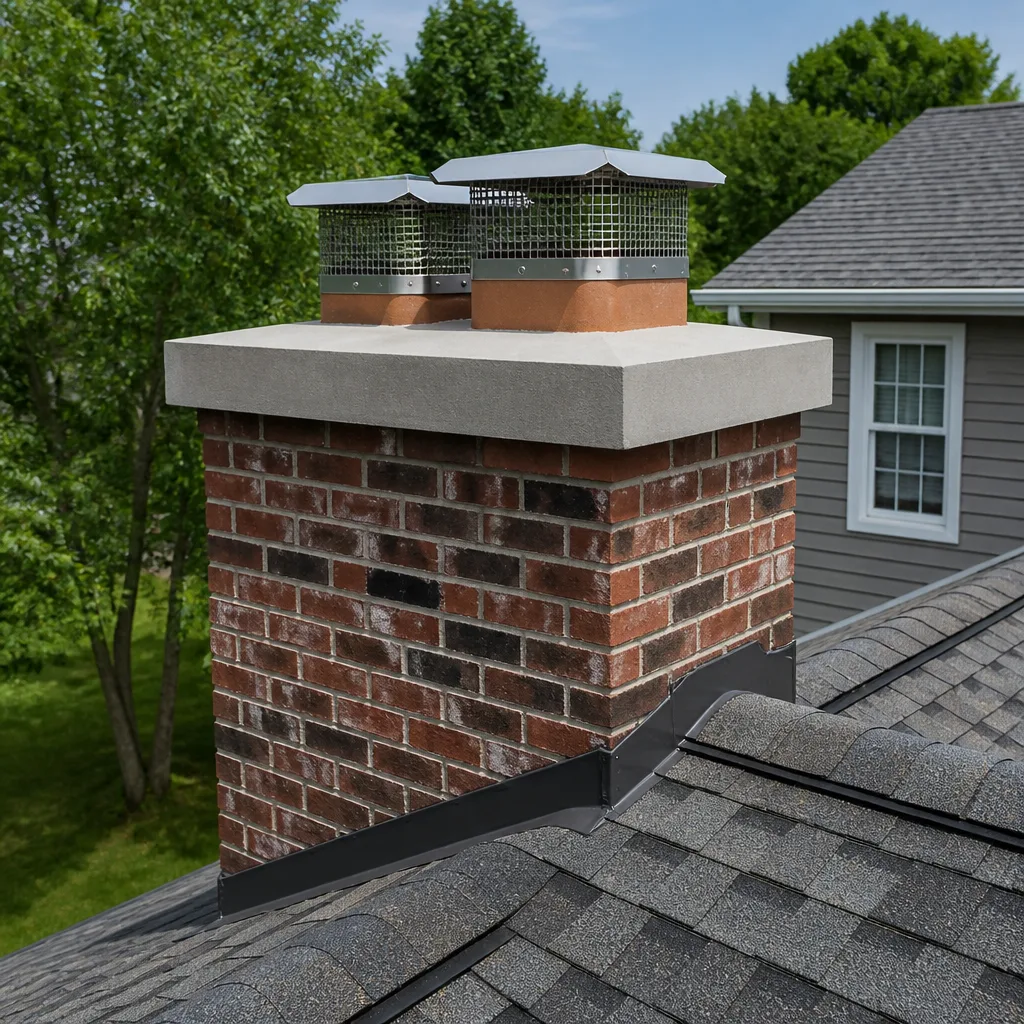
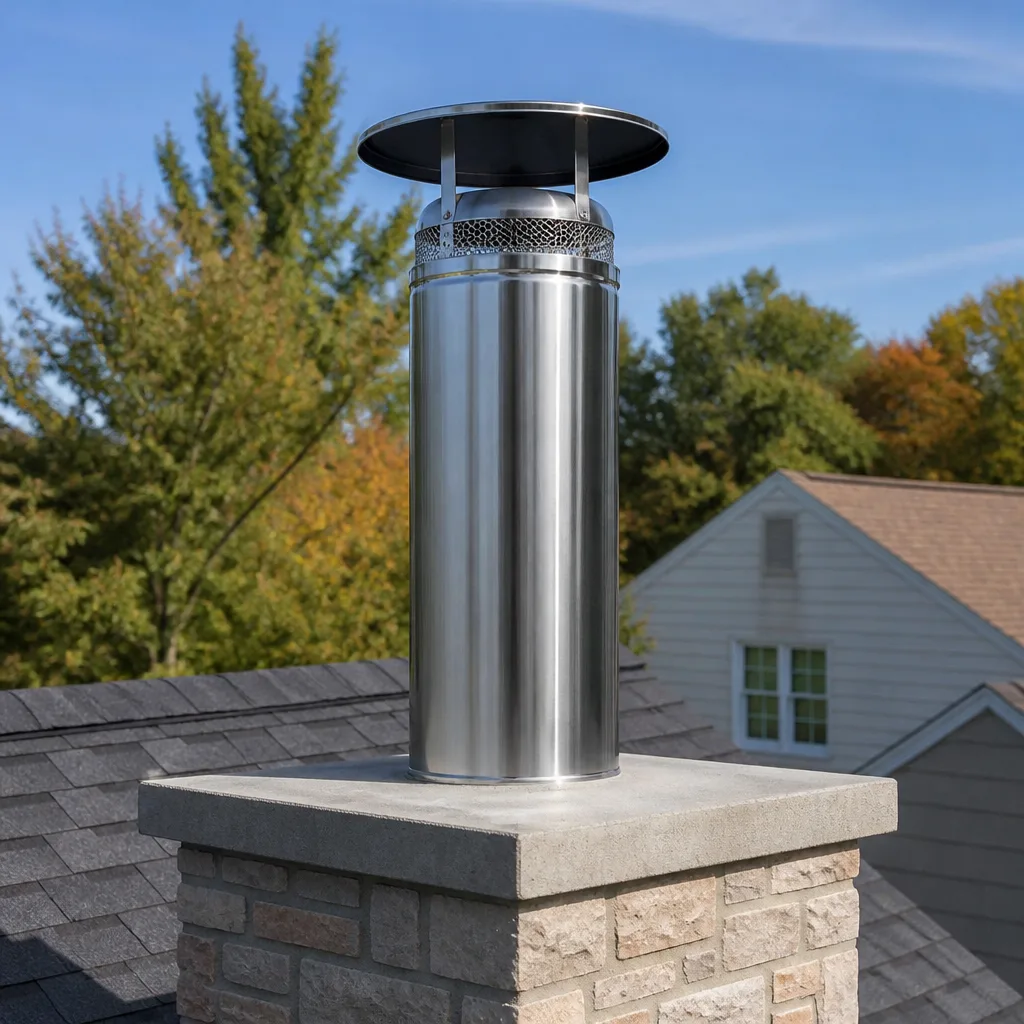
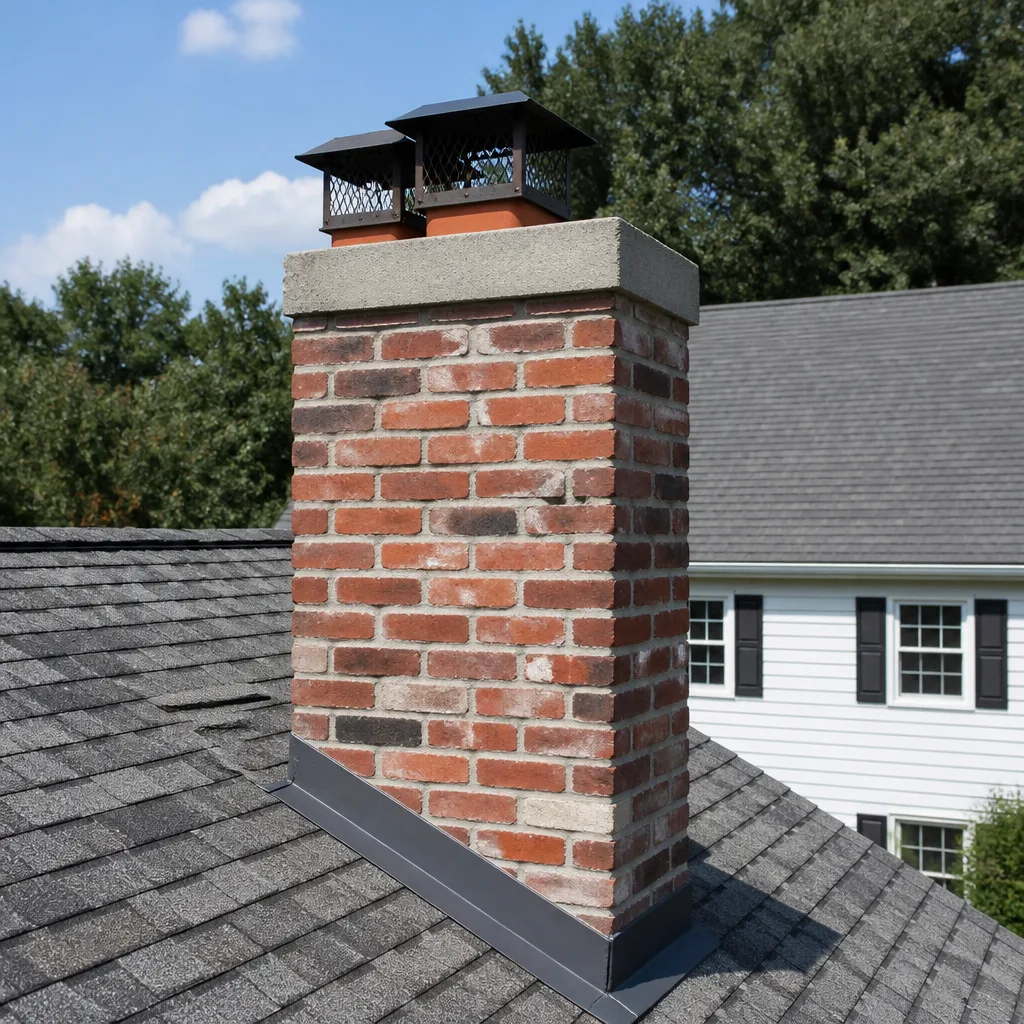
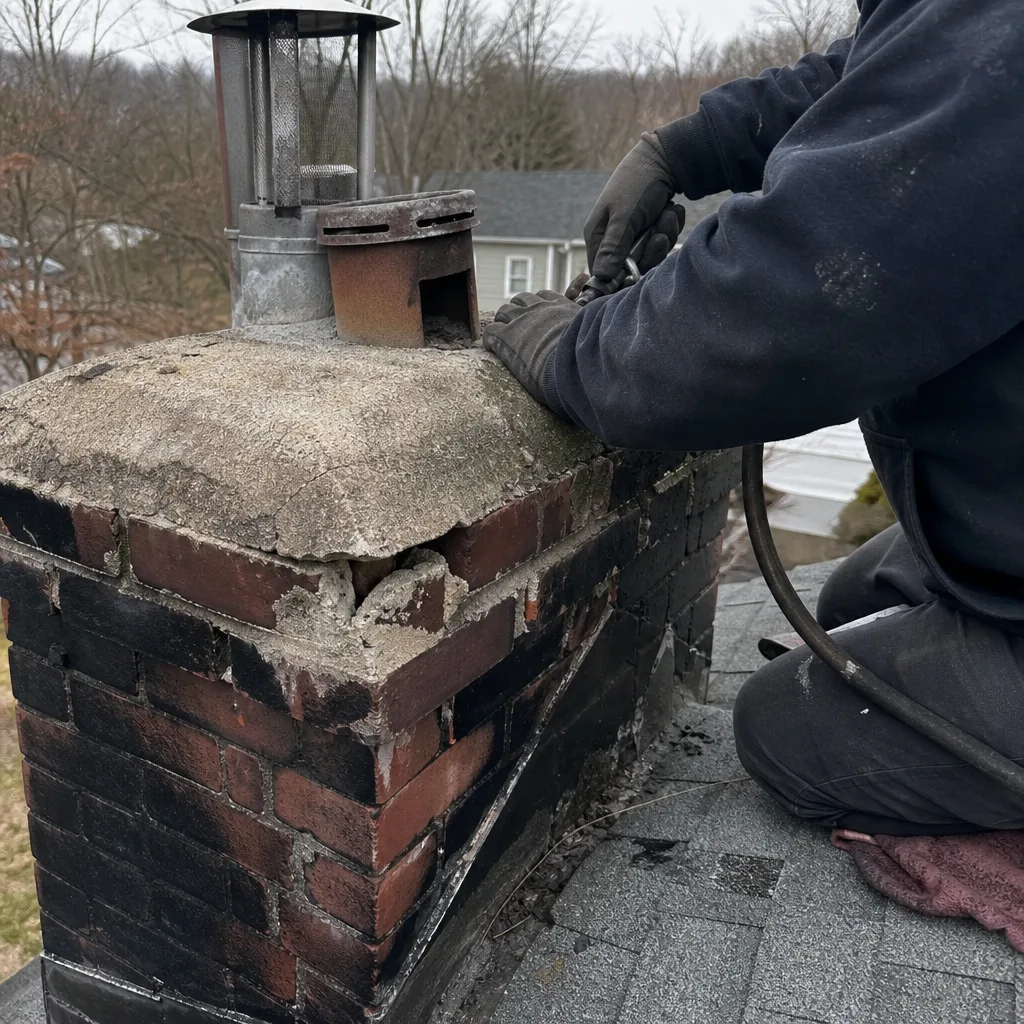 Before
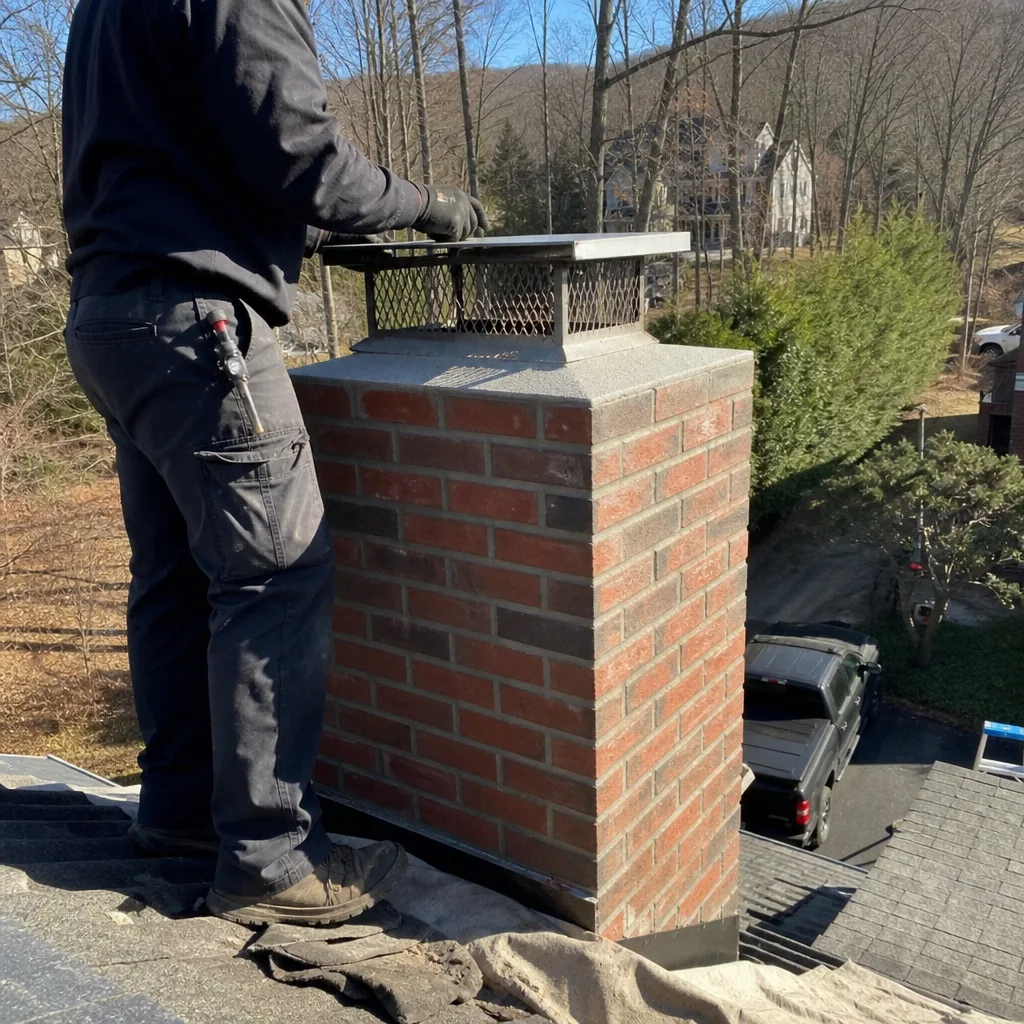 After
After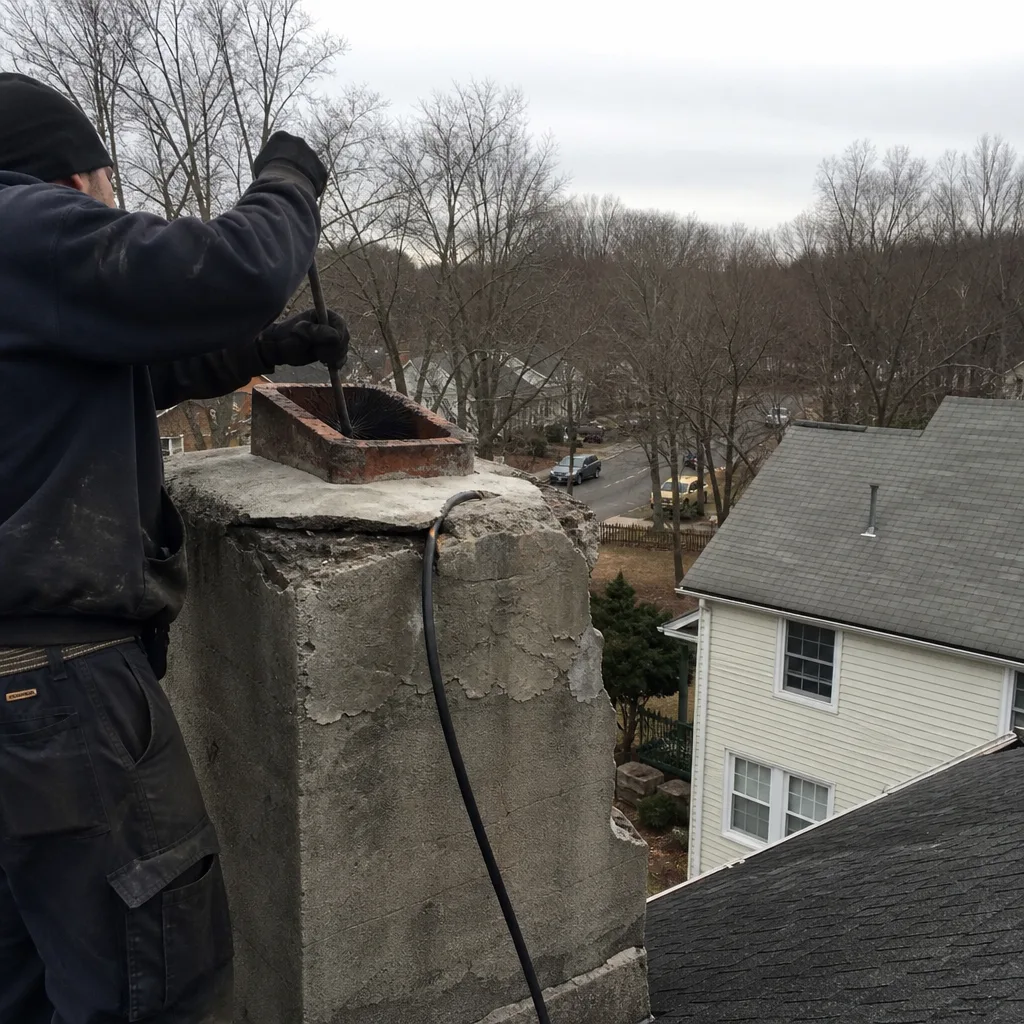 Before
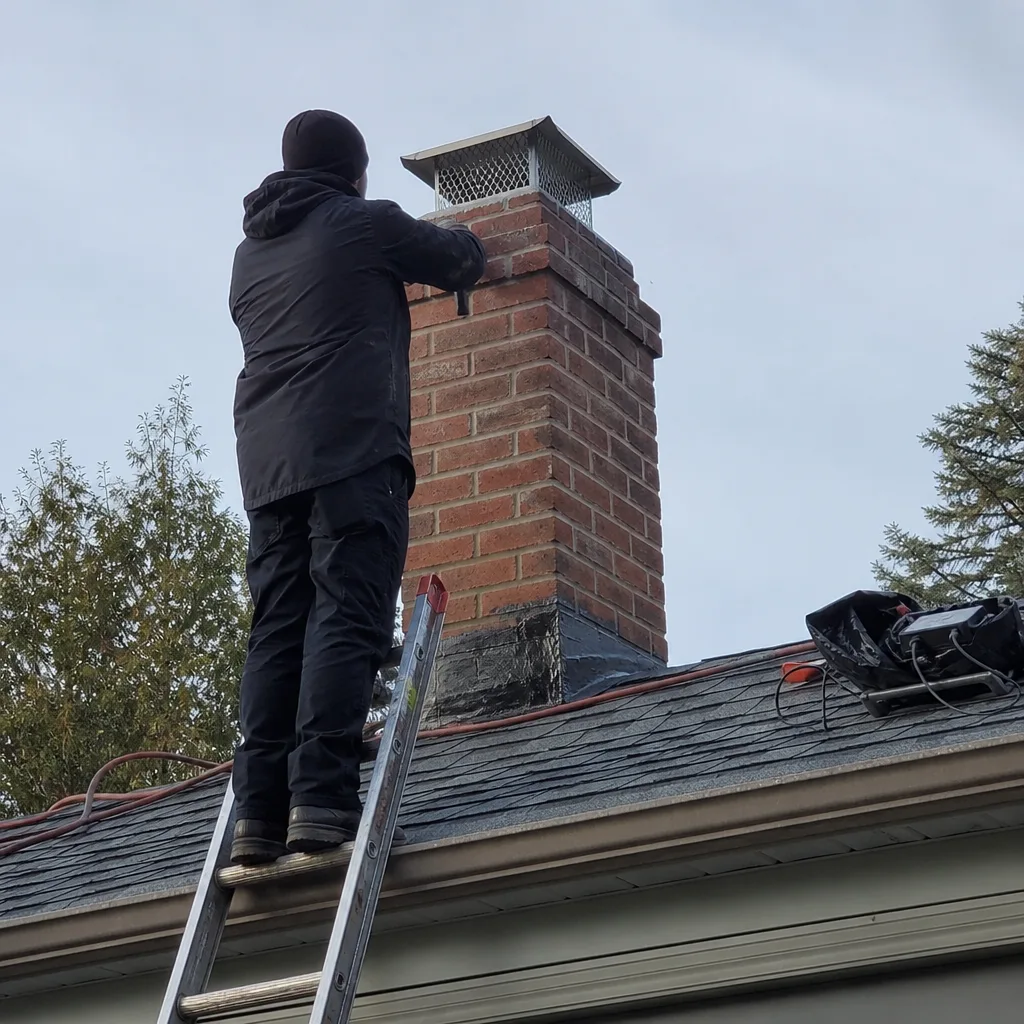 After
After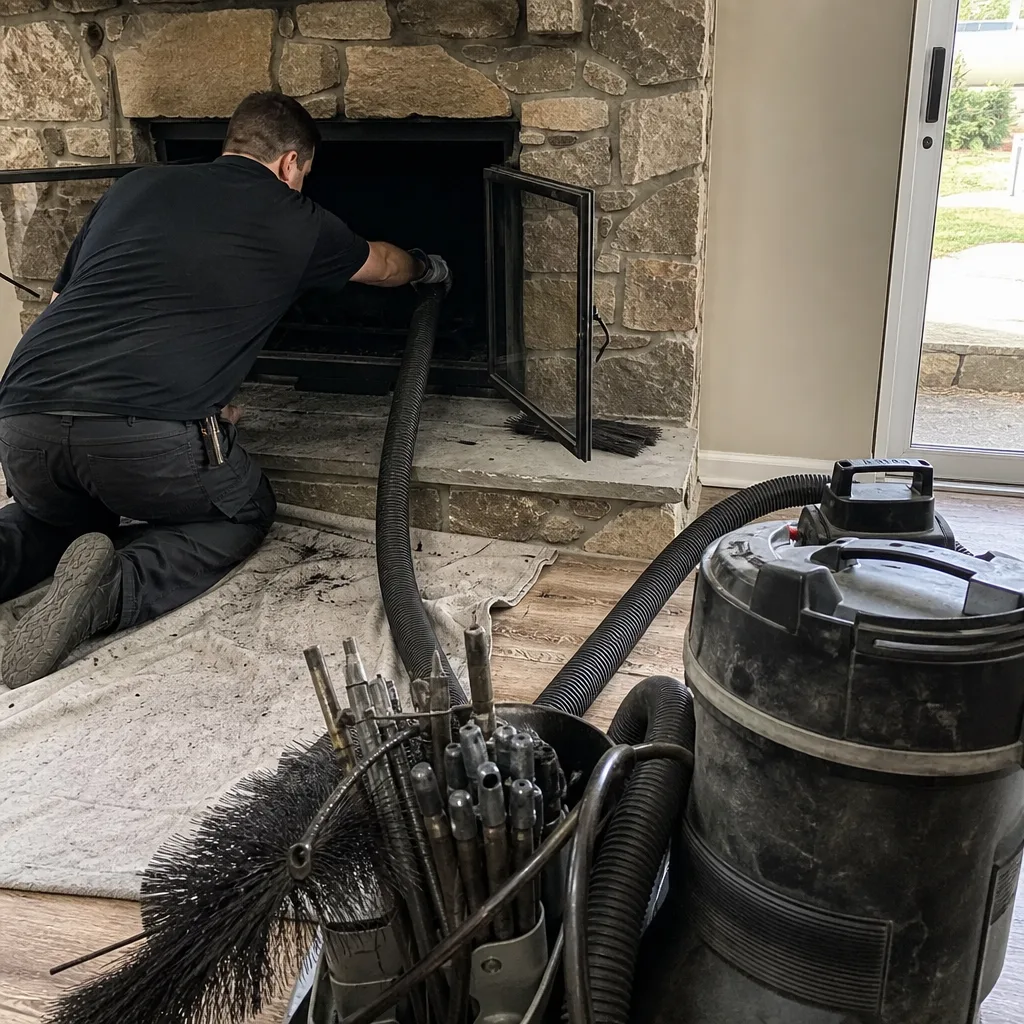 Before
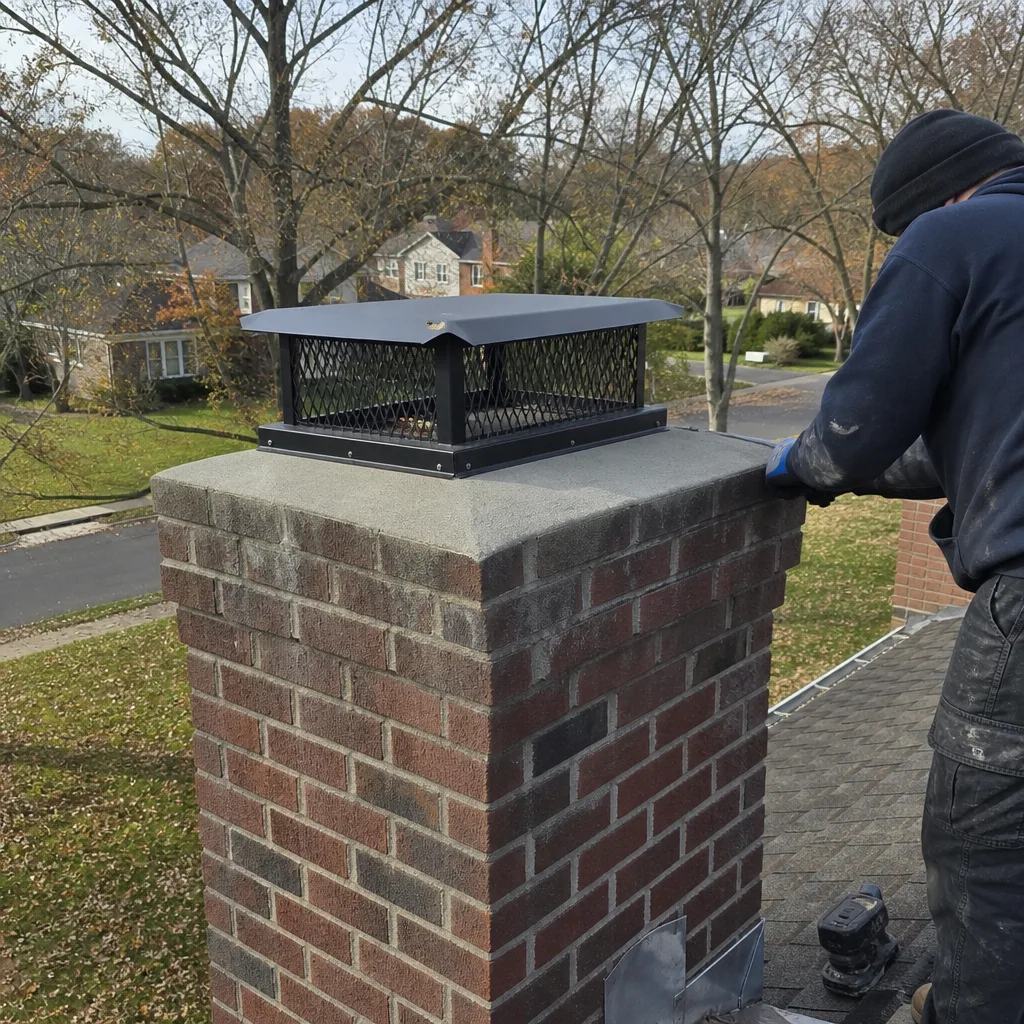 After
AfterSeasonal Chimney Cleaning Care for Rockland County: Year-Round Homeowner’s Guide
Spring is actually the worst time to discover you have a chimney problem. You’ve just spent a whole winter burning through a flue that was already compromised, and now you’re staring at water stains on the ceiling or a smoke smell that won’t leave the living room. This guide walks through what Rockland County homeowners should do for their chimneys in each of the four seasons, why the timing matters more than most people think, and how to catch small issues before they become four-figure repairs. We’ve been inside more Rockland County chimneys than we can count since 1999, and the pattern is always the same: the homeowners who treat chimney care as a year-round habit are the ones who never meet us on an emergency call in January.
Quick Answer
Seasonal chimney care in Rockland County means scheduling a professional sweep and inspection in the spring after your last fire of the season, using summer’s dry weather for masonry and liner work, getting your fall sweep booked by early September to beat the rush, and checking three simple warning signs during winter without ever climbing onto the roof. Your flue doesn’t care how the fire looks. It cares how it breathes, and that breathing changes with every season.
Table of Contents
- Spring: Why the Post-Season Inspection Beats the Pre-Season One
- Summer: Masonry, Caps, and Liner Work in the Dry Season
- Fall: The Real Sweep Deadline and October Burning Habits
- Winter: Three Warning Signs You Can Check Without a Ladder
- Gas vs. Wood: Seasonal Care Is Not the Same
- Common Mistakes to Avoid
- When to Call a Professional
- Frequently Asked Questions
Spring: Why the Post-Season Inspection Beats the Pre-Season One
Most Rockland County homeowners call us in September or October, right before they want to light the first fire. That’s understandable, but it’s backwards. Here’s what happens when you wait until fall: whatever damage winter did to your flue has been sitting there for six months, and now you’re competing with every other homeowner in the county for a sweep slot the same week the temperature drops. Spring is when you get the real story.
A chimney tells the truth in spring. The cold months are when the most creosote builds up, when freeze-thaw cycles work on the masonry, when water gets into cracks and expands overnight, when the liner takes the most heat stress. By April, all of that damage has already happened and it’s visible. Summer heat and humidity will actually hide some of it, especially hairline cracks in the crown that close up when the concrete warms and expands. You spend all winter burning through a flue. For about $250 to $300, a spring sweep with a full inspection in Rockland County gives you a written report on what that winter did to it. Then you have six months to plan for any repairs at your own pace, not in a panic the week before Thanksgiving.
Here’s what a spring post-season check should cover:
- Sweep the flue to remove whatever creosote winter left behind. It’s corrosive and it smells worse in summer humidity.
- Inspect the flue liner with a camera. Winter’s high heat and acidic creosote are what crack clay liners, and you want to know about that before next burn season.
- Check the chimney cap and crown for freeze-thaw damage. Rockland County winters are hard on concrete, and spring is when the cracks from January’s ice show up.
- Look at the flashing where the chimney meets the roof. Snow sitting against flashing all winter is a common cause of spring ceiling stains.
- Close the damper and seal the firebox for the summer if you won’t be using the fireplace. A closed damper keeps humid summer air out of the flue, which keeps creosote from turning into a sticky, smelly mess.
One more thing about spring: if you notice a fireplace smell in your house during the first warm days, that’s not just “the fireplace being a fireplace.” That’s humid summer air pushing down the flue and carrying creosote odor with it. It’s almost always worse in homes where the last sweep was years ago. A clean flue doesn’t smell.
Summer: Masonry, Caps, and Liner Work in the Dry Season
Summer is the working season for chimneys in Rockland County. Not because we’re less busy, but because the weather finally cooperates. Mortar, crown sealant, and liner materials all need dry conditions and temperatures above about 40 degrees to cure properly. You can’t do quality masonry work in November when the overnight temperature dips toward freezing and morning dew sits on everything. The material won’t bond correctly, and you’ll be calling someone back in the spring to redo it.
If a spring inspection found problems with your chimney’s crown, mortar joints, or cap, summer is when you fix them. Crown repair in particular is a job that gets scheduled around Rockland County’s weather patterns. The crown is the concrete slab at the top of the chimney that sheds water away from the flue. When it cracks, water gets into the chimney structure, and every freeze-thaw cycle makes those cracks worse. A new crown poured in July has the rest of the summer and fall to cure before its first winter. The same logic applies to tuckpointing, which is repointing deteriorated mortar joints between the bricks. It’s slow work done from a ladder or scaffold, and it’s a fair-weather job by necessity.
Summer is also the right window for chimney liner work in the Hudson Valley. Whether you’re installing a DuraFlex stainless steel liner, doing a HeatShield resurfacing job, or addressing a cracked clay liner with a Gelco product, the installation goes much smoother in warm, dry conditions. Manufacturers specify minimum temperatures for their materials, and summer gives you the biggest margin. Plus, if you get liner work done in August, you’re ready to burn in October without waiting through a fall backlog.
Here’s a simple summer checklist for Rockland County homeowners:
- Book masonry repairs early. Good summer repair windows fill up fast.
- Schedule liner work between May and September if your spring inspection uncovered liner damage.
- Check your chimney cap. If it’s missing or rusted through, that’s a summer replacement. A missing cap lets rain, birds, and raccoons into your flue all summer long.
- Walk around your house and look at the chimney from the ground. You’re looking for missing bricks, spalling (flaking) face brick, or a tilting structure. If you see any of those, get it checked before autumn.
- Don’t ignore the summer thunderstorm leaks. If water comes in during a July downpour, it will only be worse when snow sits on the roof in February.
Fall: The Real Sweep Deadline and October Burning Habits
Here’s the truth about fall chimney service in Rockland County: if you’re calling for a sweep in October, you’re already late. Every chimney company in the county is booked solid from September through December. The people who get their sweep done in August or early September are the ones who are burning by the first cold snap without a worry. The people who call in late October are the ones leaving voicemails and hoping someone cancels.
That’s not a sales pitch, it’s just how the calendar works. There are only so many daylight hours in a fall week, and Rockland County has tens of thousands of homes with fireplaces, wood stoves, and gas inserts. The last week of October is when everyone remembers their chimney exists. You want to be ahead of that.
The other thing about fall: what you burn in October sets up your creosote situation for January. Creosote is the unburned wood tar that condenses on the inside of your flue. The amount you produce depends heavily on your firewood and your burning habits. Here’s what we see consistently across Rockland County:
- Wet or unseasoned wood burns cooler and produces dramatically more creosote than dry wood. That early fall load of “seasoned” oak from the side of the road is often anything but.
- Slow, smoldering fires with the damper mostly closed are creosote factories. It’s better to burn a hotter, shorter fire with good airflow than to let wood smolder for hours.
- Softwoods like pine get a bad reputation, but the real issue is moisture content, not wood type. Dry pine burns clean. Wet anything is a problem.
- First-degree creosote is flaky and brushable. Third-degree creosote is a hard, shiny glaze. That glaze doesn’t brush away; it has to be chemically treated or removed with specialized tools. Catch it early.
The fall sweep is your baseline for the burn season. A clean flue in October means whatever creosote accumulates through the winter is starting from zero. If you skip the fall sweep and burned all last winter without one, you’re building on top of an existing layer, and that’s when a chimney fire becomes a real possibility.
For a full rundown of what a sweep includes and what to expect, see our Chimney Cleaning & Sweep in Rockland County page.
Winter: Three Warning Signs You Can Check Without a Ladder
Once the burn season is underway, you should not be climbing on your roof. Rockland County winters are slick, and a fall from a two-story roof is not worth the curiosity. But there are three things you can check from inside your house, and any one of them is reason to pick up the phone.
- Draft reversal. When you open the fireplace doors to start a fire, you should feel air moving up the chimney. If you feel cold air coming down into the room instead, or if smoke puffs out when you first light the kindling, something is blocking or pressurizing your flue. It could be a bird nest, a dead animal, a closed damper, or simply a cold column of air that needs a few minutes to reverse. If lighting a piece of newspaper and holding it near the damper doesn’t reverse the draft within a minute, stop and investigate.
- Smoke smell in the house when a fire is going is never normal. It means the flue isn’t drawing properly, or there’s a leak in the chimney structure somewhere, or the room is under negative pressure from exhaust fans or a competing appliance. If you smell smoke in other rooms, not just the one with the fireplace, that’s a sign the chimney is backdrafting or leaking inside wall cavities.
- Damper frost. On very cold Rockland County mornings, go check the area around your damper. If there’s frost on the metal damper plate or on the walls of the throat, that’s condensation from the exhaust of whatever appliance is using the flue. In a wood-burning fireplace, a little frost on a dormant damper after a very cold night is sometimes just humid house air. But frost accompanied by dripping water or a persistent cold draft is a sign the flue isn’t staying warm enough or isn’t sealed well. It’s worth a look.
These checks take two minutes, and they catch most of the problems that turn into emergency calls later. If any of these signs show up mid-season, see our Chimney Repair in Rockland County page to understand what might be involved.
Gas vs. Wood: Seasonal Care Is Not the Same
A lot of seasonal chimney guides lump gas and wood fireplaces together. That’s a mistake. The seasonal rhythm for a gas fireplace in Rockland County is completely different from a wood-burning one.
A wood-burning fireplace or stove needs a sweep every year if you burn regularly. The creosote accumulation is fast, and the risk of a chimney fire is only one of the problems. A gas fireplace doesn’t produce creosote, but it produces acidic exhaust and water vapor. Over years, that eats away at the chimney’s interior. Gas flues need a different kind of inspection, usually less frequent, but no less important. A gas insert that was installed 15 years ago and never inspected has had acidic exhaust condensing inside that flue for a decade and a half. The liner can look fine from the outside and be deteriorating from the inside.
Here’s the seasonal reality for gas fireplaces:
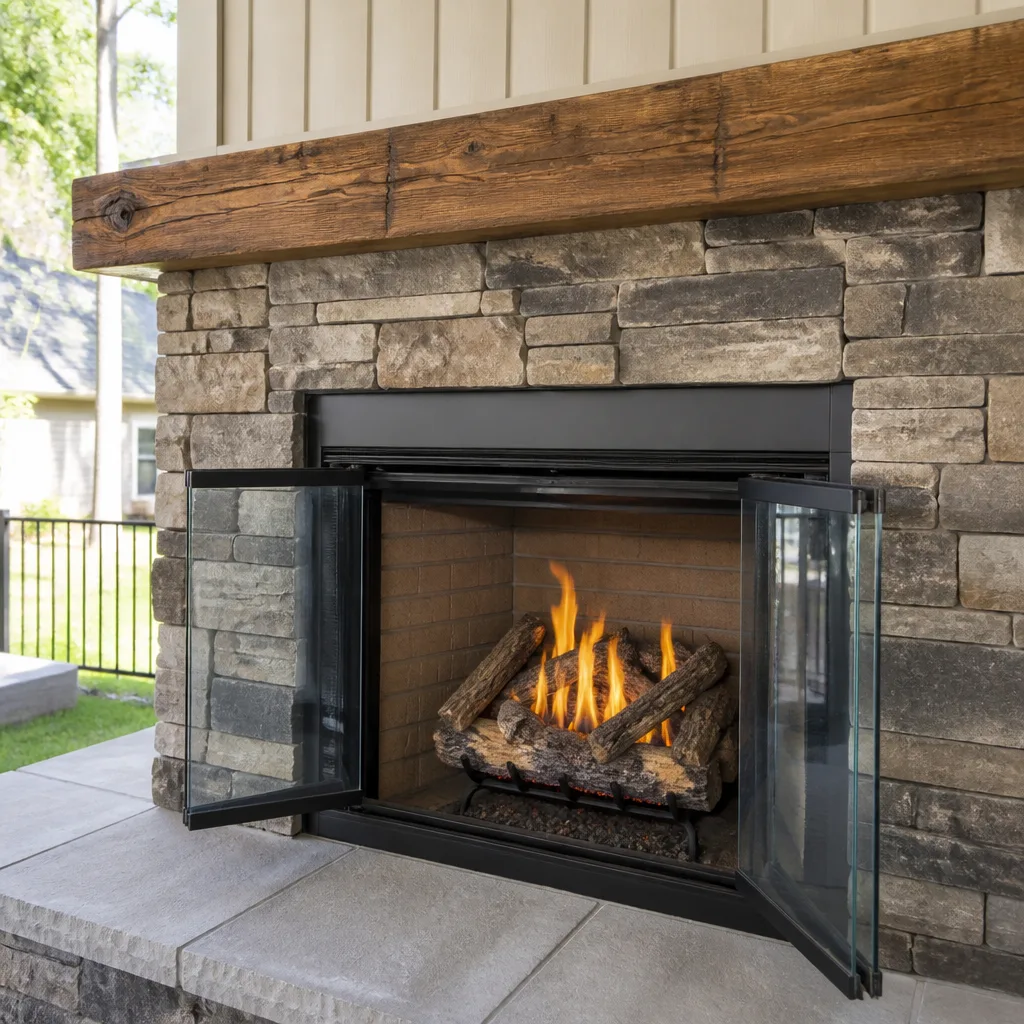
- Annual inspection, even if not always an annual sweep. The gas logs, the pilot assembly, the venting connection, and the glass gasket all wear with use. Once a year, burn or no burn. Chimneys break in the off-season too.
- Spring and summer are when gas fireplace servicing is easiest to schedule. Most owners only think about their gas fireplace when they turn it on in November, so the service queue looks just like the sweep queue.
- If your gas fireplace has a real chimney rather than a direct-vent pipe out the wall, that chimney still needs the same rain cap and crown protection as any other chimney. Gas doesn’t exempt you from water damage.
- If you’re burning your gas fireplace daily through the winter, an annual check before the season starts is the minimum. Log sets break down gradually, and a cracked ceramic log can send flame where it shouldn’t go.
For gas-specific service details, see our Fireplace Services in Rockland County page.
Common Mistakes to Avoid
- Skipping the sweep because “we barely used the fireplace.” Creosote doesn’t care how many fires you had. A few slow, smoky fires can deposit more creosote than a whole season of hot ones. And if the flue hasn’t been inspected in years, you’re flying blind regardless of how much you burned.
- Waiting until September to schedule anything. By September, every Rockland County chimney company is booking weeks out. Schedule spring or summer work when the schedule is open and the weather is cooperative.
- Ignoring water stains because “it only happens in heavy rain.” Water spots on the ceiling near the chimney are never seasonal. They’re a slow leak that gets worse every time it rains or snows until you address it.
- Using the fireplace as a trash incinerator for wrapping paper, pizza boxes, or junk mail. Paper burns hot and fast, which is fine, but it also floats up the flue as burning embers. That’s a chimney fire risk. Burn seasoned wood only.
- Closing the damper on a fire that’s still smoldering. That forces smoke and carbon monoxide back into the house. Wait until the fire is completely out and the embers are gray.
- Thinking a chimney cap is optional. A missing or damaged cap is an open invitation for rain, animals, and debris. It’s one of the cheapest pieces of chimney hardware you can replace, and one of the most protective.
- Believing a “chimney cleaning log” replaces a sweep. Those products can loosen some light creosote, but they don’t remove it, and they certainly don’t inspect the liner, the crown, the flashing, or the damper. There’s no product that replaces a set of eyes and a camera in the flue.
When to Call a Professional
Call when you see water stains near the chimney, when smoke backs up into the room, when you hear animals in the flue, when the damper won’t open or close, when the brickwork is visibly cracked or spalling, or when you haven’t had the chimney inspected in more than two years. Also call if you’re buying a home in Rockland County and the seller’s disclosure is vague about the fireplace. A chimney inspection is cheap insurance against a surprise liner or masonry bill. Top Hat Chimney offers free estimates in Rockland County, and a free second opinion on any written estimate you’ve received. Call (845) 599-0832 and Wendell will walk through what you’re seeing, on the phone, before anyone schedules anything.
Frequently Asked Questions
A standard chimney sweep and inspection in Rockland County typically runs $250 to $350 for a single flue, with additional flues or heavy creosote buildup adding to the cost-see our Chimney Cleaning Cost Breakdown: The Rockland County Homeowner’s Reference for 2026 for full details. The camera inspection and a plain-English report should be included at that price. Call (845) 599-0832 for an exact quote before anyone comes out. Estimates are free, and the number we give on the phone is the number on the invoice.
You need a new liner when the existing one is cracked, spalling, or the wrong size for the appliance using it. The only way to know is with a camera inspection. We don’t recommend liner work without showing you the footage, and we’ll tell you plainly when the liner can safely wait. If you’ve been told you need a liner by someone who didn’t put a camera in the flue, get a second opinion before writing a check.
Once a year, burn or no burn. Chimneys break in the off-season too. The annual visit gives us a look at the whole system when the weather is mild enough to fix whatever is starting to go wrong, which is much better than discovering it in January.
Creosote builds up in layers, and the older layers harden into a glaze that takes specialized tools to remove. That glaze is also fuel for a chimney fire. Meanwhile, the flue liner is being slowly corroded by the creosote’s acid. A chimney that has gone unswept for several years is almost always more expensive to bring back to safe condition than one that gets a yearly visit, and it’s a fire risk in the meantime. Our Chimney Cleaning & Sweep Maintenance Checklist for Rockland County Homeowners shows what to watch for between visits.
You can buy a brush and run it up the flue, and some Rockland County homeowners do. But a brush catches loose creosote; it doesn’t inspect the liner, the crown, the flashing, or the damper. It also doesn’t produce the camera footage you need to make an informed decision about repairs. The dangerous parts of a chimney are the ones you can’t see from either end, and that’s where the professional inspection matters. For the legal side, read Chimney Cleaning Permits, Codes & Inspections in NY: What You Need to Know.
Warm, humid air moves down the flue in summer, picks up creosote odor, and carries it into the house. It’s worse in chimneys that haven’t been swept recently. A spring sweep removes the creosote that causes the smell, and closing the damper (or adding a top-sealing damper) keeps summer air out of the flue. If the smell persists after a sweep, there may be water getting into the masonry, and that’s a different conversation.
The Bottom Line
Rockland County’s four-season climate gives every chimney four distinct challenges each year: winter’s creosote and freeze-thaw stress, spring’s water damage and post-season inspection window, summer’s opportunity for dry-weather masonry and liner work, and fall’s sweep deadline and burning-habit foundation. The homeowners who stay ahead of these seasons schedule a spring sweep, book summer repairs, get the fall sweep done by early September, and know the three winter warning signs to check from the living room. It’s a year-round habit that costs less, burns safer, and keeps small problems from becoming January emergencies.
Contact Top Hat Chimney
If you’re in Rockland County and it’s time for a sweep, an inspection, or a second opinion on a repair quote, call Top Hat Chimney at (845) 599-0832. Browse our more guides & resources to keep your system safe year-round. Wendell Pike answers the phone, pricing is set before any work begins, and every job is backed by the 90-Day Done Right Promise in writing. Serving Rockland County since 1999.
Written by Wendell Pike, Owner at Top Hat Chimney, serving Rockland County since 1999.