
Last updated September 10, 2026
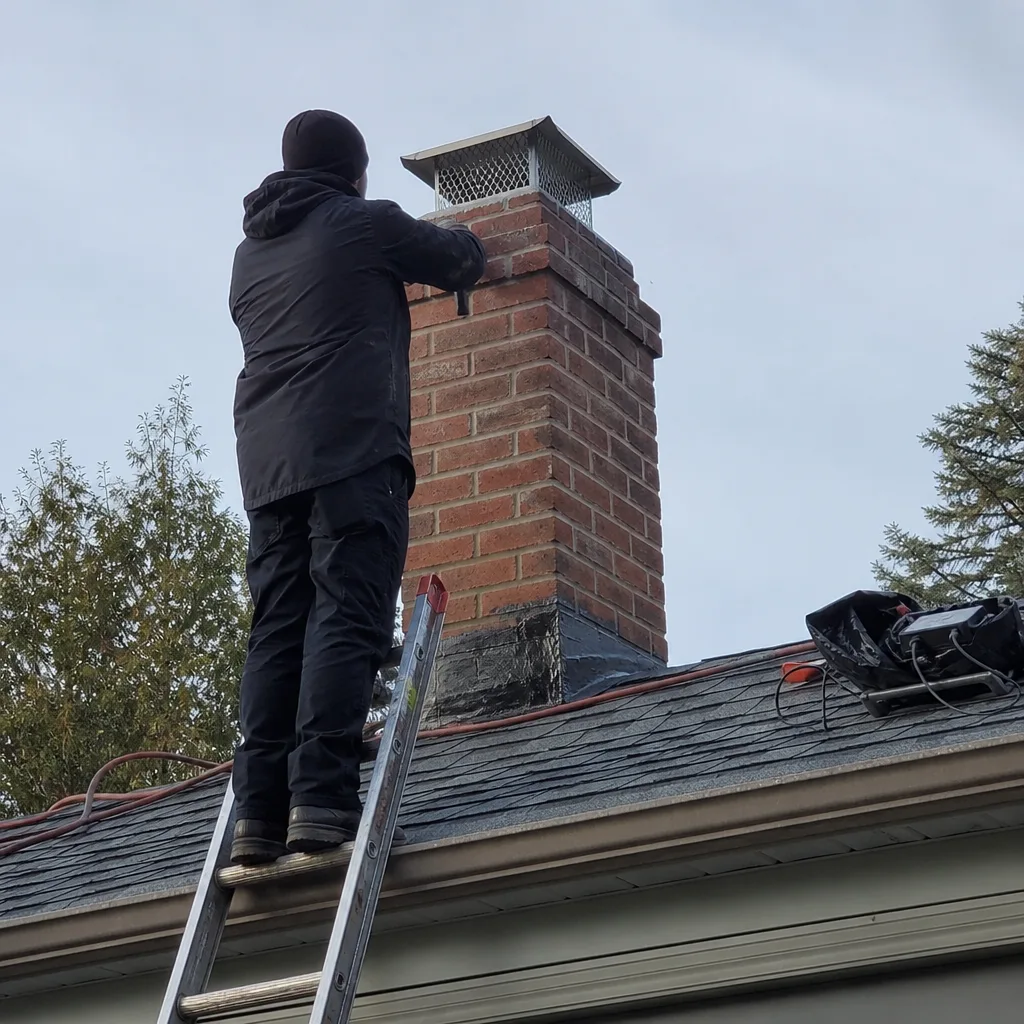
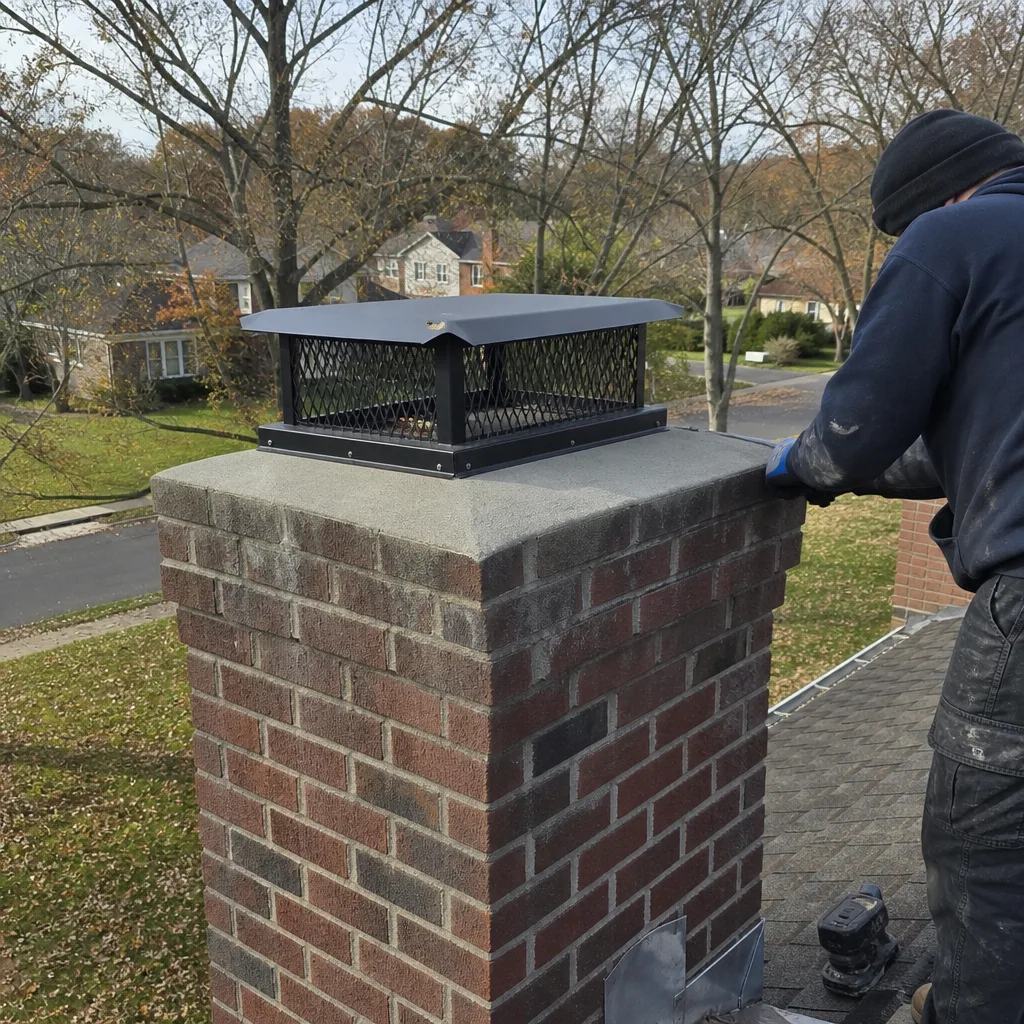
Level 1 sweep and inspection to the NFPA 211 annual standard - flue, crown, cap, and flashing checked and photographed
Chimney sweep logs do not sweep chimneys. They loosen some creosote - which then falls where a brush and vacuum still have to collect it.
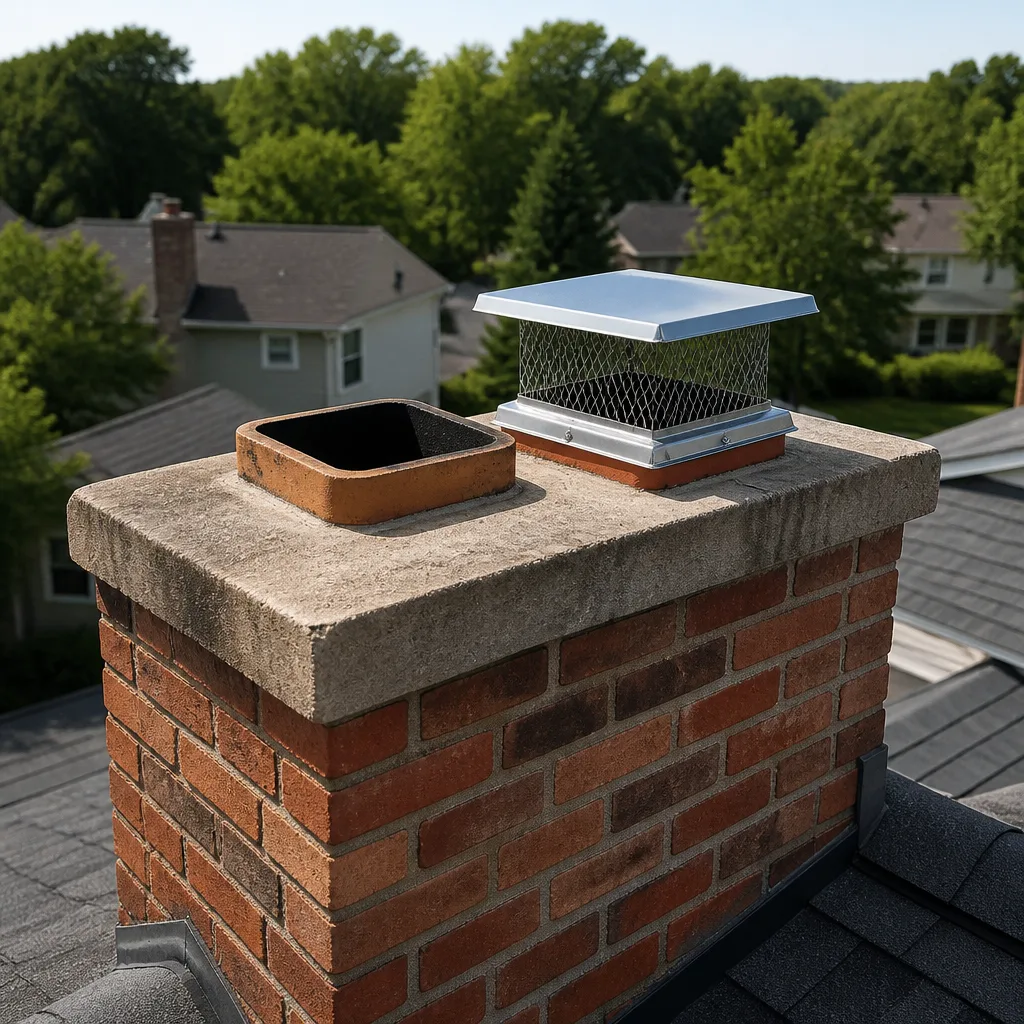
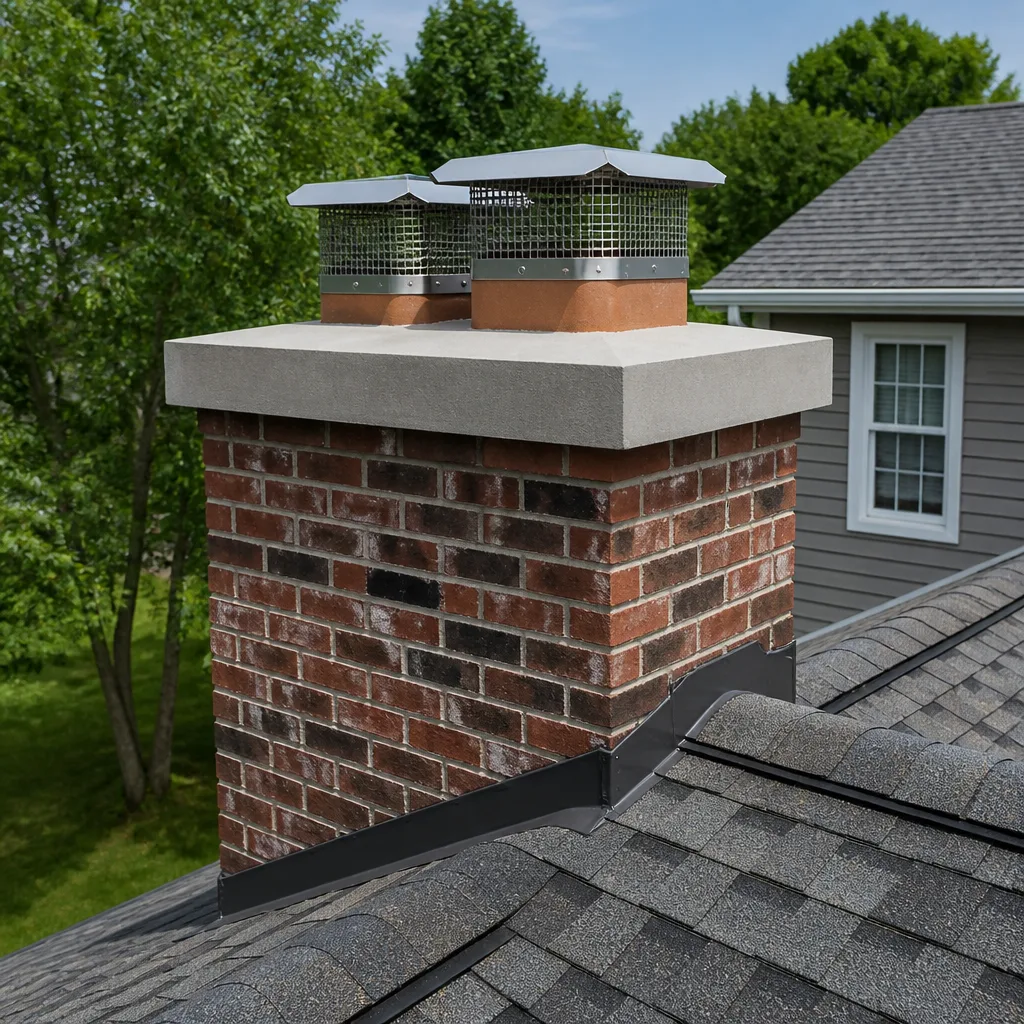
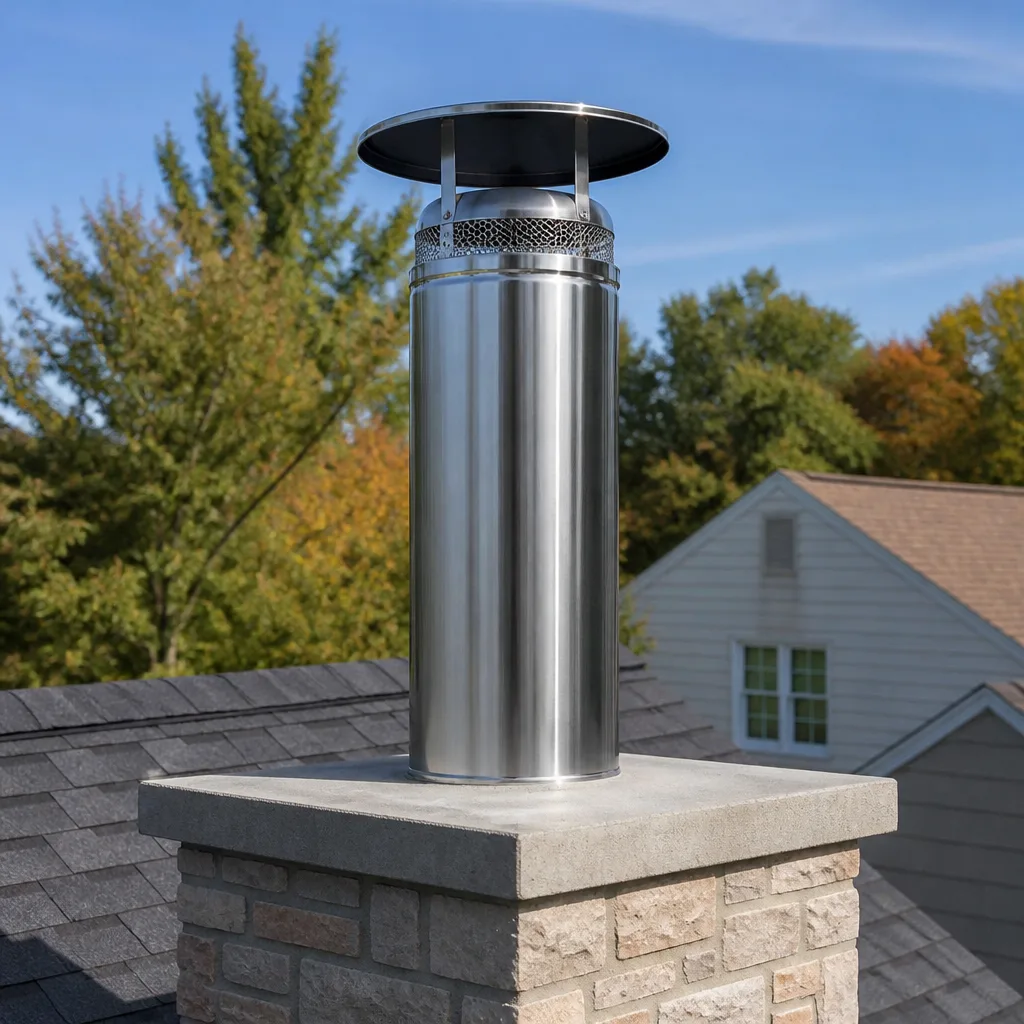
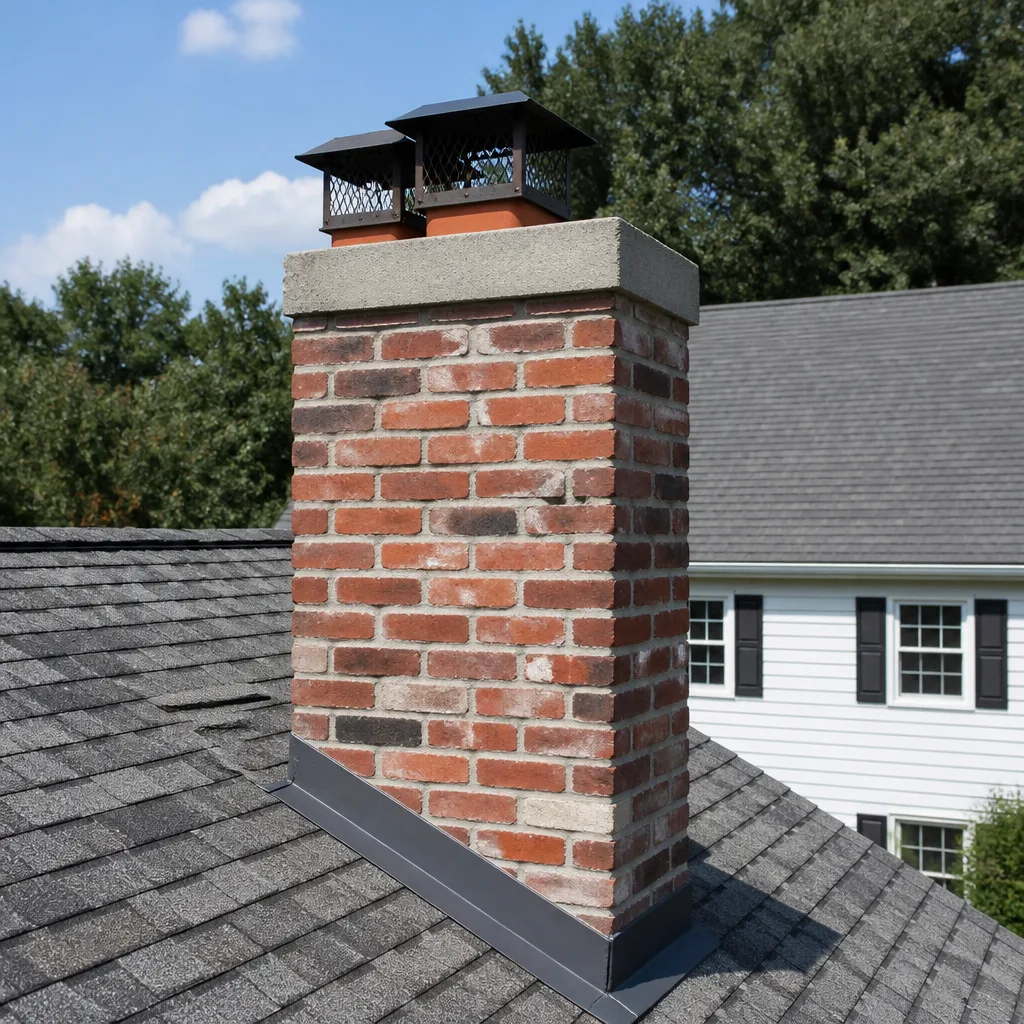
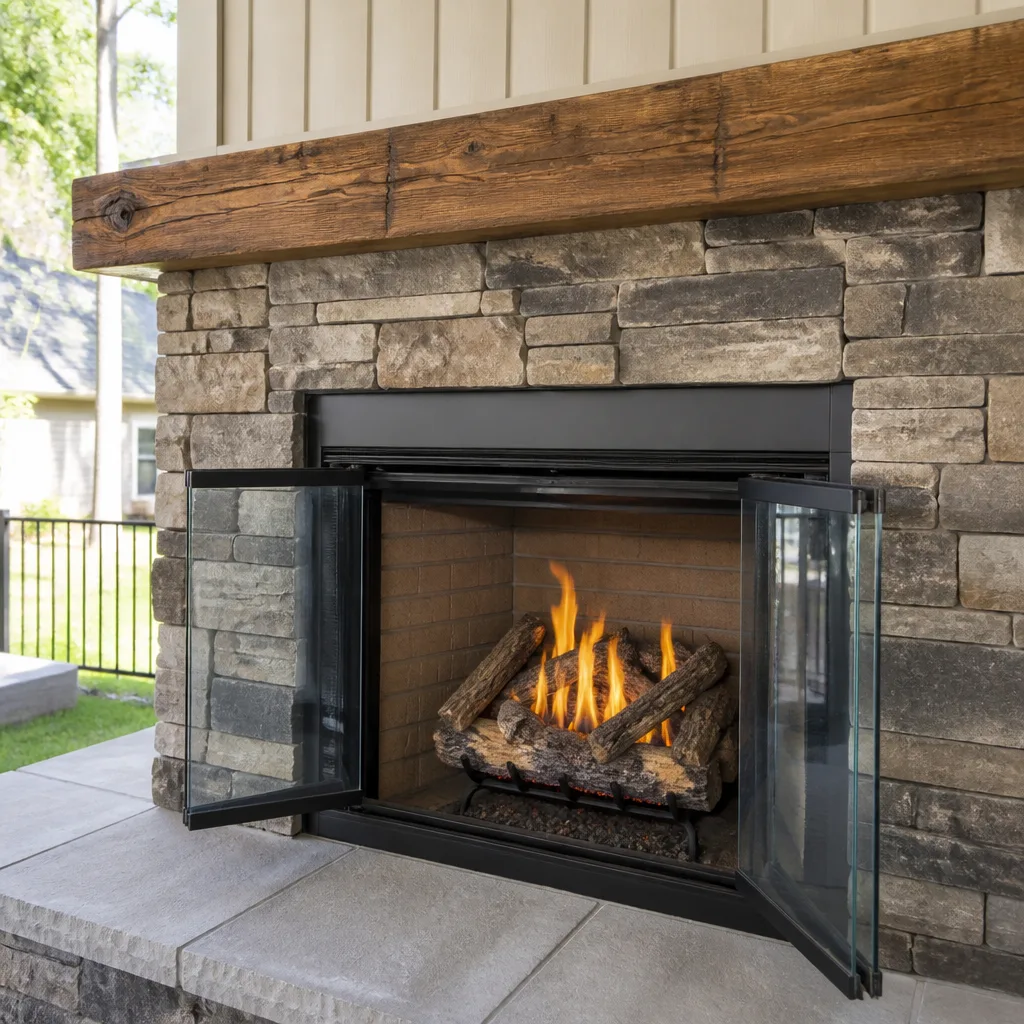
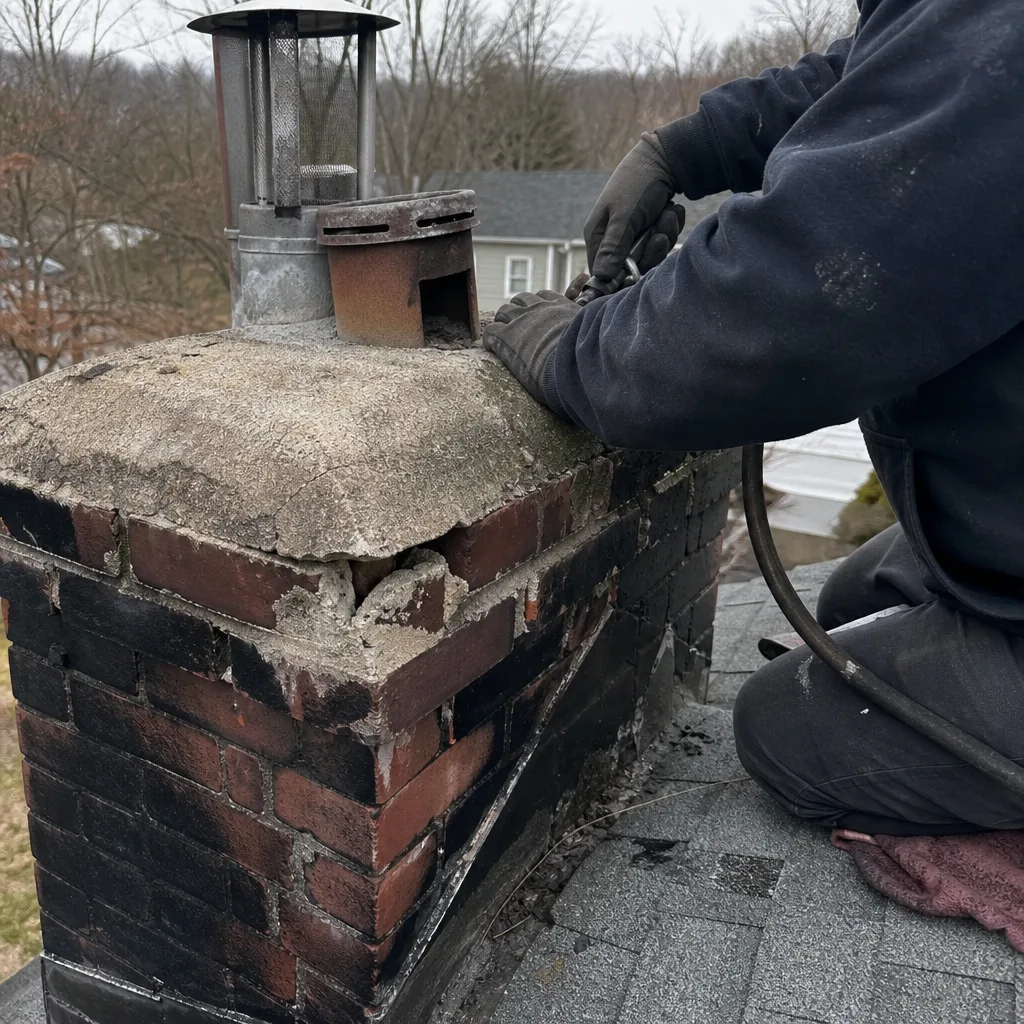 Before
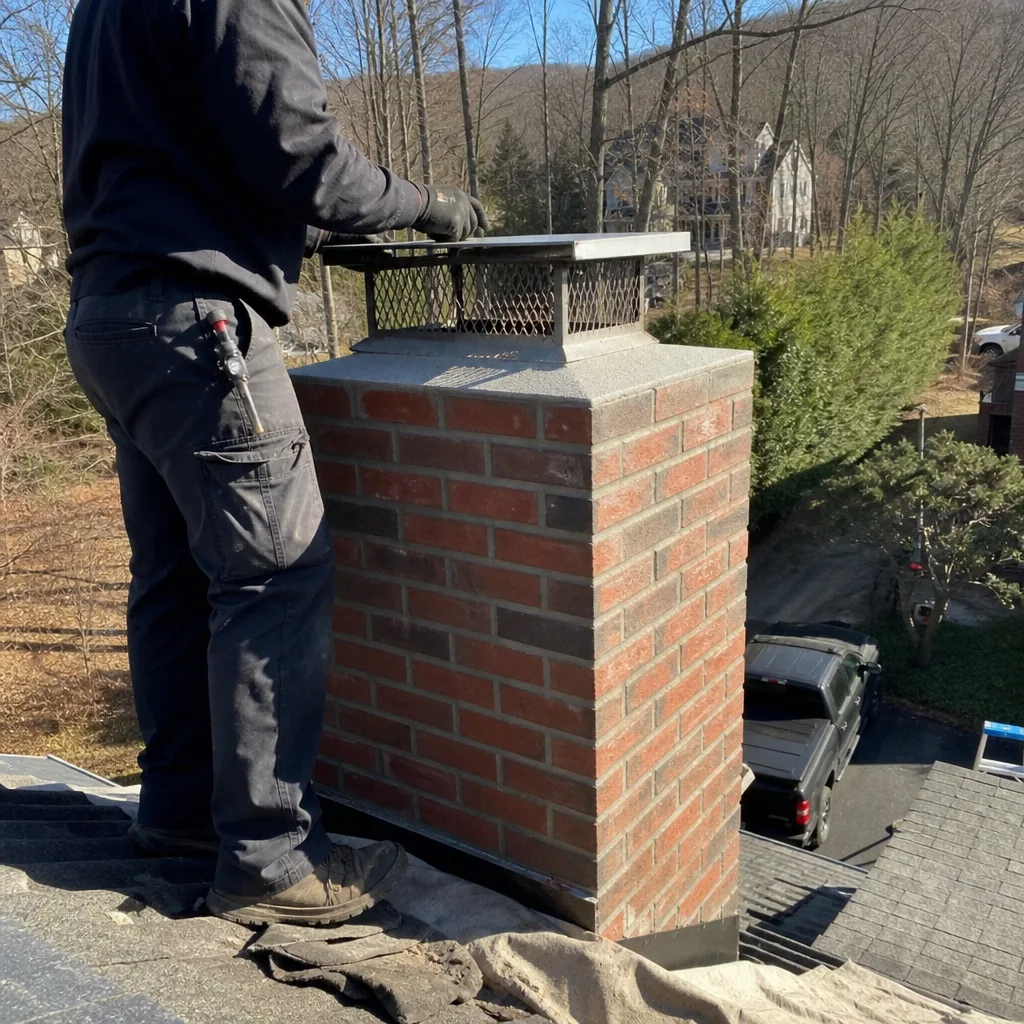 After
After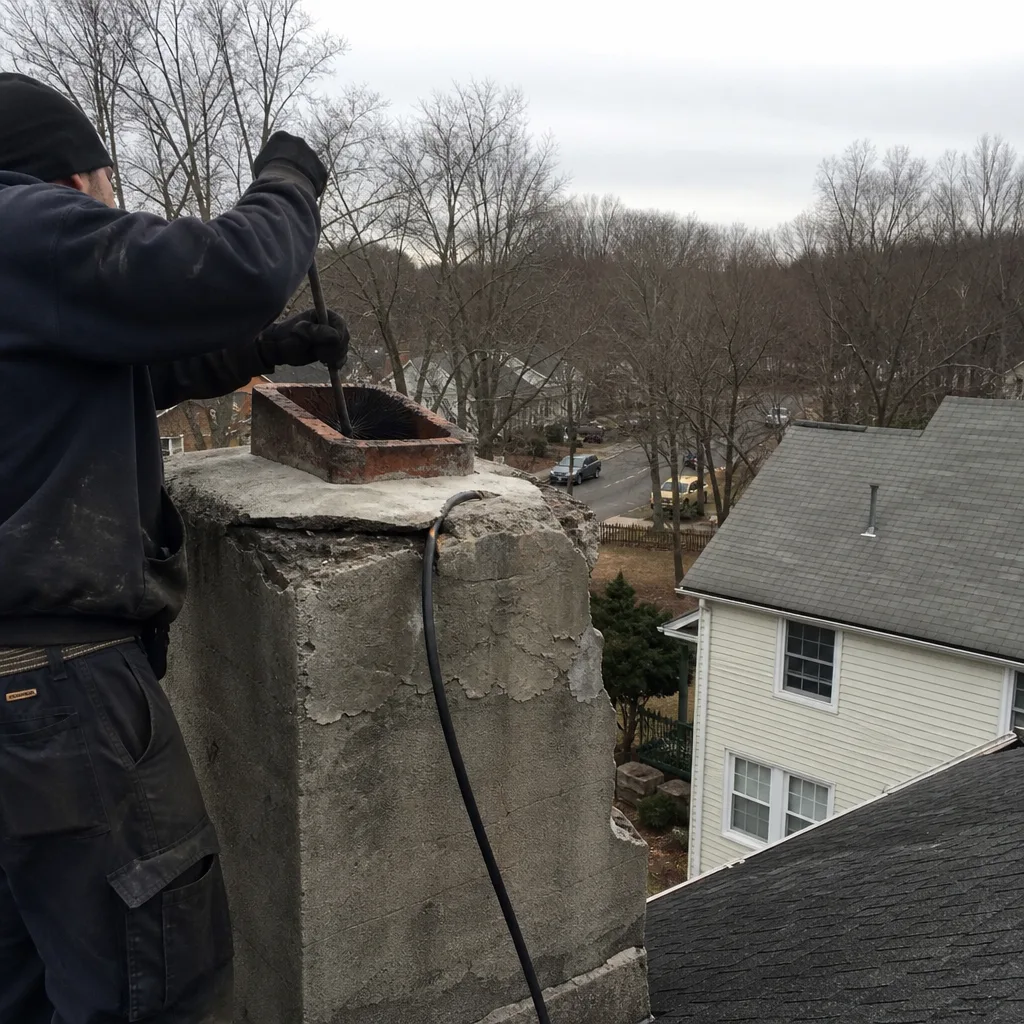 Before
 After
After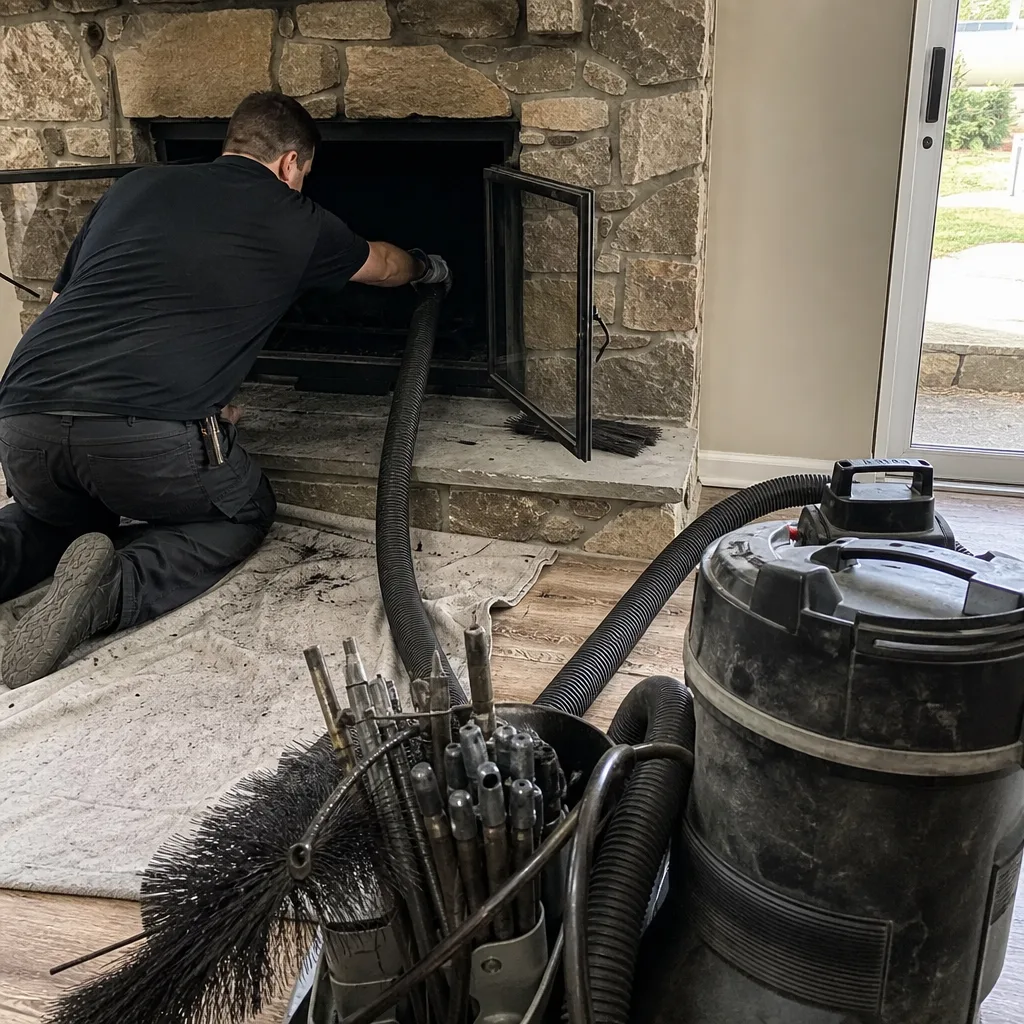 Before
 After
AfterChimney Cleaning & Sweep Maintenance Checklist for Rockland County Homeowners
The most common complaint I hear after a chimney cleaning isn’t that something went wrong. It’s that the homeowner had no idea what was actually done for the money they paid. A sweep can be in and out in 45 minutes, hand you a receipt, and leave you wondering whether anything happened up there at all. This guide is built to fix that. It tells you what a proper chimney cleaning in Rockland County should look like before, during, and after the job, so you can spot a thorough sweep from a drive-by. For a deeper dive, see The Complete Guide to Chimney Cleaning in Rockland County. By the time you finish reading, you’ll have a working checklist you can use with any company, including ours.
Quick Answer
A proper chimney cleaning in Rockland County includes a pre-job check of your damper and hearth, a full sweep of the flue with brushes sized to your liner, a visual inspection of the cap, crown, and masonry, and a post-job report with photos showing what was removed and what condition the system is in. If your sweep doesn’t hand you documentation of what they found, you didn’t get a full service.
Table of Contents
- Before the Sweep: Your Pre-Appointment Checklist
- During the Job: What a Proper Sweep Should Be Doing
- After the Sweep: Documentation You Should Walk Away With
- Between Professional Sweeps: Safe Homeowner Maintenance
- Red Flags: When the Checklist Says “Call Back”
- Why Rockland County Chimneys Need a Different Kind of Attention
- Common Mistakes to Avoid
- When to Call a Professional
- Frequently Asked Questions
- The Bottom Line
Before the Sweep: Your Pre-Appointment Checklist
Most homeowners think the job starts when the sweep shows up. It actually starts the day before. A few minutes of prep on your end saves the sweep from wrestling with a stuck damper or working around a cluttered hearth, which means less time in your home and a cleaner job overall. Here in Rockland County, where many homes have fireplaces that sit dormant from April through October, the first burn of the season is often the moment a problem reveals itself. Better to catch it during a scheduled cleaning than on a cold November night.
Here’s what to do the day before your appointment:
- Test the damper. Open and close it fully. If it’s stuck, rusted, or only moves partway, tell the sweep when he arrives. A damper that won’t open means the flue can’t be properly cleaned. A damper that won’t close means heat escaping all winter.
- Note your last burn. Write down the last date you had a fire. If it was within 48 hours of the appointment, let the sweep know. Embers and ash can stay hot for days, and he’ll need to handle the firebox differently.
- Clear the hearth area. Move furniture, rugs, and decorations at least six feet back from the fireplace opening. Take down anything on the mantel that could vibrate loose. The sweep needs room to lay drop cloths and run a vacuum hose.
- Remove ashes if they’re deep. If ash is more than an inch deep in the firebox, scoop out the excess and bag it. Leave a thin layer. It protects the firebox floor and makes cleanup easier.
- Secure pets. The vacuum is loud. A curious dog in the work zone is a hazard for everyone. Close pets in another room before the sweep arrives.
- Clear the path. The sweep will be hauling a vacuum, rods, brushes, and drop cloths from the truck to the fireplace. Make sure the path from your front door to the hearth is clear of shoes, toys, and anything else that could trip someone.
If you’re unsure whether your damper is functioning correctly, that’s something we check on every chimney cleaning and sweep in Rockland County. A damper that won’t seal properly is one of the most common causes of drafts and heat loss we see in older homes throughout the county.
During the Job: What a Proper Sweep Should Be Doing
You don’t need to hover. In fact, a good sweep prefers you don’t stand over his shoulder while he works. But there are things you can verify from across the room that tell you whether you’re getting a real cleaning or a quick once-over. A proper chimney sweep follows a sequence. That sequence matters because each step protects the next one.
Here’s what a thorough sweep should be doing during the job, in the order it should happen:
- Laying drop cloths and sealing the area. Clean tarps or plastic sheeting should cover the floor in front of the fireplace and extend several feet out. A professional sweep in Rockland County homes will also seal the fireplace opening with a specialized vacuum setup so soot doesn’t blow into your living room.
- Setting up a HEPA-filtered vacuum. The vacuum should run continuously during the sweep. If you see a sweep working without a vacuum running, that’s a red flag. Soot and creosote dust are fine enough to stay airborne for hours, and you’ll find a gray film on your furniture for weeks.
- Inspecting the cap and crown from the roof. A real sweep gets on the roof. Not every job requires a full roof walk, but at minimum, he should look down the flue from the top and check the cap, crown, and flashing. If the sweep never leaves your living room, he’s not doing a complete job.
- Brushing the full length of the flue. The sweep should run brushes through the entire flue, from the top down or bottom up, using brushes sized to your specific liner. Different liners need different brushes. A stainless steel liner should never be cleaned with wire brushes. A clay tile liner can handle more aggressive tools. If the sweep doesn’t check what kind of liner you have before brushing, that’s a problem.
- Cleaning the smoke shelf and damper assembly. This is the most commonly skipped area. The smoke shelf sits just above the damper and collects a surprising amount of creosote and debris. If it’s not cleaned, it can become a fire hazard even after the flue itself is brushed.
- Cleaning the firebox. After the flue is done, the sweep should remove the accumulated soot and creosote from the firebox floor and walls. A light layer of ash is fine. A thick coating of creosote is not.
Your flue doesn’t care how the fire looks. It cares how it breathes. A sweep who skips the smoke shelf or never checks the cap from above is leaving problems in place that will just come back, usually at the worst possible time.
After the Sweep: Documentation You Should Walk Away With
This is where most homeowners get shortchanged. A sweep can do perfectly fine work up on the roof, but if he doesn’t document what he found and what he did, you have no way to verify any of it. And when a different company comes out next year, they’ll be starting from zero.
A professional chimney cleaning should end with paperwork in your hand. Here’s the documentation checklist you should expect before the sweep leaves your property:
- A written report of what was removed. This should state how much creosote was present, what type (first-degree, second-degree, or third-degree glaze), and where it was concentrated. First-degree creosote is a brush job. Third-degree is a glaze - catch it early.
- Photos or video of the flue interior. Modern sweeps use camera equipment to inspect the flue before and after cleaning. Ask for the footage. It’s the only way to see what your own chimney looks like from the inside. We provide camera footage and a plain-English verdict - every time, no exceptions.
- Condition notes on the cap, crown, and flashing. The report should tell you whether your chimney cap is intact, your crown has cracks, and your flashing is sealing properly at the roofline.
- Any repair recommendations with specific reasons. If the sweep recommends work, he should be able to show you on the camera footage why. No one should be telling you that you need a new liner without visual evidence you can see for yourself.
- Next service date recommendation. Based on how much buildup was present and how often you burn, the sweep should tell you when to schedule your next cleaning. For most Rockland County homes, that’s once a year. For heavy burners, it could be every six months.
If you walk away with nothing but a receipt, you didn’t get the full service. A receipt tells you what you paid. It doesn’t tell you what was done.
Between Professional Sweeps: Safe Homeowner Maintenance
There are things you can and should do yourself between professional cleanings. These are low-risk, no-ladder-required tasks that keep your chimney in better shape and help you catch problems early. None of these replace an annual professional sweep, but they’ll keep you more informed about what’s happening with your system.
Monthly checks you can do from inside
- Look up the flue with a flashlight. Open the damper and shine a bright light up. Look for visible creosote buildup, animal debris, or anything that looks out of place. You won’t see the whole flue, but you’ll catch the obvious problems.
- Check the damper operation. Open and close it a few times. It should move freely and seal tightly when closed. A damper that’s stiff or won’t close is worth a call.
- Inspect the firebox walls. Look for cracked bricks, crumbling mortar, or loose firebrick. Small cracks are normal. Gaps you can fit a coin into are not.
- Look for water stains. After heavy rain, check the firebox and the ceiling around the chimney for water marks. Water intrusion is the number one cause of chimney deterioration in Rockland County, where freeze-thaw cycles work on masonry year after year.
Seasonal tasks
- Check the cap from the ground. Use binoculars to look at the chimney cap and crown from your yard. You’re looking for a missing cap, a rusted cap, or visible cracks in the crown. If something looks off, book a roof inspection.
- Clear the exterior chase. If you have a prefab chimney with a chase cover, keep leaves and debris away from the base of the chase. Trapped moisture breeds rust.
- Watch for animal activity. Squirrels, raccoons, and birds all see an uncapped chimney as prime real estate in Rockland County. If you hear scratching or chirping from the flue, don’t light a fire. Call someone who can remove the animal and install a proper cap.
What not to do yourself
Do not go on your roof to inspect the cap or crown unless you’re comfortable working at height and have proper fall protection. Do not attempt to remove third-degree creosote glaze with chemicals from a hardware store without professional guidance. Do not try to repair a cracked flue liner by yourself. These are jobs for a trained sweep with the right equipment, and the risk of injury isn’t worth the money saved.
Red Flags: When the Checklist Says “Call Back”
A checklist telling you everything looks fine is only useful if you trust the person checking. Here are Chimney Cleaning Warning Signs: A Rockland County Homeowner’s Reference Guide - specific findings that should prompt a follow-up call, not a “see you next year.” If you see any of these between professional cleanings, or if your sweep flagged them during a visit, don’t wait for the next annual appointment.
- You smell smoke in the house after a fire is out. A properly functioning chimney pulls smoke up and out. If you’re getting smoke smell in the living room hours after the fire is out, something is wrong with the draft or there’s a blockage in the flue.
- There’s more than 1/8 inch of creosote buildup. The National Fire Protection Association says any creosote accumulation over 1/8 inch is a fire hazard that should be removed. If you can see shiny, tar-like buildup on the firebox walls or flue, it’s past time for a cleaning.
- Soot is falling into the firebox between fires. This means creosote is flaking off the flue walls, which usually indicates a heavy buildup higher up or a draft problem pushing debris down.
- You hear animals in the chimney. Scratching, chirping, or fluttering from the flue means something is living in there. That’s a blockage waiting to happen, plus a potential fire hazard from nesting material.
- Water is entering the firebox or staining the ceiling around the chimney. This is never a small problem. Water intrusion accelerates masonry decay, rusts dampers and liners, and in Rockland County’s freeze-thaw climate, it can turn a small crack into a major repair in one or two seasons.
- Your damper won’t open or close completely. A damper that’s stuck open wastes heat all winter. A damper that’s stuck closed prevents safe fires entirely. Either way, it’s a functional problem that should be fixed before the next burn.
- You see daylight through cracks in the masonry. From inside the firebox with the damper open, you should see darkness up the flue, not light. If you see daylight from inside, there’s a crack or gap in the chimney structure.
If any of these apply to you, the next step is a professional inspection. Not everyone needs a full cleaning, but everyone with one of these conditions should have eyes on the problem. We offer our Chimney Cleaning & Sweep services with no trip charge inside Rockland County, and a free second opinion on any written estimate from another company.
Why Rockland County Chimneys Need a Different Kind of Attention
Rockland County sits in a climate that punishes chimneys harder than most homeowners realize. We’re far enough inland to get real winters with sustained freezing temperatures, close enough to the Hudson to get damp air rolling through, and high enough in elevation in places like Ramapo and Haverstraw to catch more snow than the river towns. All of that adds up to a freeze-thaw cycle that works on masonry like a wedge, season after season.
Homes in older Rockland County neighborhoods carry another layer of concern. A lot of houses in Nyack, Suffern, and Pearl River were built before modern chimney liners were standard. That means clay tile liners that are now 50, 60, or 70 years old, with mortar joints that have been slowly deteriorating since the Eisenhower administration. These liners crack. When they crack, heat and gases can reach the surrounding masonry, and that’s how chimney fires start or carbon monoxide finds its way into living spaces.
We also see a lot of chimneys in Rockland County that serve double duty. The same flue that vents a wood-burning fireplace in the winter might vent an oil or gas appliance year-round. That changes the cleaning calculus. Oil and gas create a different kind of byproduct than wood smoke, and a flue that’s shared by multiple appliances needs more careful inspection to make sure nothing is venting improperly.
The point is that chimney care in Rockland County isn’t a one-size-fits-all proposition. The climate, the age of the housing stock, and the variety of heating systems all mean that a checklist that works in Arizona or Florida is missing half the picture here. Ask anyone on your street. Most of them have a chimney story.
Common Mistakes to Avoid
- Skipping the annual cleaning because you barely use the fireplace. Once a year, burn or no burn. Chimneys break in the off-season too. Animals move in. Water finds its way through small cracks and makes them bigger. A springtime inspection catches problems when there’s no pressure and no rush.
- Buying a “chimney cleaning log” and thinking it replaces a professional sweep. Those products claim to loosen creosote so it falls into the firebox. What they actually do is create a mess and give a false sense of security. They don’t remove anything. They don’t inspect anything. They don’t handle the smoke shelf. They’re not a substitute for a real cleaning.
- Hiring based on the lowest phone quote. Two different sweeps can quote you $99 and $199 for the same job, and the $99 version might be the one that never gets on the roof, never checks the cap, and never documents anything. In Rockland County, local companies with published addresses and verifiable licenses are worth the premium.
- Ignoring the smell of smoke in the house. A lot of homeowners write it off as “just how fireplaces are.” It’s not. Modern chimney systems should draft well enough that smoke goes up the flue every time. A smoky house is a draft problem, a blockage, or a mechanical issue.
- Letting the first fire of the season be the test run. The first cold weekend in November is the busiest time for chimney sweeps in Rockland County because half the county lights a fire and discovers a problem. Schedule your cleaning in late summer or early fall, before the rush.
- Assuming a new house has a clean chimney. Previous owners are rarely honest about the last time the chimney was serviced. We’ve swept flues in newly purchased homes that hadn’t been touched in a decade. A chimney inspection should be part of your due diligence before closing.
- Accepting a repair recommendation without seeing evidence. If someone tells you your liner is cracked or your crown is failing, ask to see the camera footage or the photos. A legitimate sweep will have them. The camera footage and a plain-English verdict - every time, no exceptions.
When to Call a Professional
The answer is simple: if you can’t clearly see that your chimney is clean, cap is intact, and damper is working, call someone who can. But certain situations demand a phone call sooner rather than later. Call a professional if you see more than a light dusting of soot on the firebox walls, if you smell smoke indoors after the fire is out, if you’ve heard or seen animals in the chimney, if you’ve had a chimney fire (even a small one that burned itself out), or if you’ve lived in the house more than a year without having the chimney inspected. Top Hat Chimney offers free estimates in Rockland County. Call (845) 599-0832 and a live person answers. No call center, no voicemail maze, and it may well be Wendell himself picking up.
Frequently Asked Questions
Once a year, regardless of how often you burn. The National Fire Protection Association recommends annual inspection and cleaning as needed. Homes used heavily for wood burning during Rockland County winters may need a second cleaning mid-season, especially if you’re burning pine or other softwoods that build creosote faster. Call (845) 599-0832 to schedule a cleaning and get an honest assessment of your burn rate.
Expect to pay between $175 and $350 for a standard chimney cleaning and inspection in Rockland County, depending on the height of the flue, the type of liner, and whether there’s heavy creosote buildup. Repairs and liner work are separate. Top Hat Chimney gives you the number before any work begins - the price you hear on the phone is the price on the invoice.
Ask for camera footage of the flue before and after the job, and a written report describing what was removed and what condition is. A professional sweep should provide both without being asked. If the answer is “trust me,” find a different sweep. The camera footage and a plain-English verdict should be standard on every job.
For standard cleanings and inspections, no permit is required in Rockland County. For structural repairs, liner replacements, or masonry rebuilds, permit requirements vary by town. A reputable local sweep will know the requirements in your specific municipality and handle the paperwork if needed. We’ve been working in Rockland County since 1999 and know the rules in every town and village.
You can, but I don’t recommend it for most homeowners. The equipment sold at big box stores is rarely sized correctly for your specific flue, and without a proper vacuum setup, you’ll coat your living room in a fine layer of soot. You also won’t be able to inspect the flue for cracks, gaps, or liner damage while you’re cleaning. The real value of a professional sweep isn’t the brushing. It’s the inspection that happens alongside it.
A sweep is the mechanical removal of creosote, soot, and debris from the flue. An inspection is the visual and camera-based evaluation of the entire chimney system, including the liner, cap, crown, flashing, damper, and masonry. A proper chimney cleaning in Rockland County should include both, and you should get a report covering both when the job is done.
Creosote forms when smoke condenses on the flue walls, and that condensation happens faster in cold chimneys and with inefficient burns. Homes in Rockland County that burn unseasoned wood, run fires at low temperatures, or have exterior chimneys exposed to cold air will see creosote build more quickly. If you’re getting heavy buildup every year, the solution might be better wood, hotter fires, or a liner upgrade, not just more frequent cleanings.
The Bottom Line
A chimney cleaning is only as good as what you can verify. The best protection you have as a homeowner is knowing what a proper job looks like, from the pre-appointment damper check to the post-job photo report. In Rockland County, where old housing stock, freeze-thaw cycles, and varied heating systems all conspire against chimneys, that knowledge isn’t optional. It’s the difference between catching a small problem early and paying for a big one later. Once a year, burn or no burn. And when the sweep is done, ask for the camera footage. If there’s no footage, there was no inspection. For more guides & resources, visit our blog.
If you want a sweep who’ll walk you through every step, show you what he found, and leave you with paperwork you can actually use, give us a call. Chimney repair in Rockland County, fireplace services in Rockland County, or a straightforward annual cleaning - Wendell and his crew have been doing this work since 1999, and we answer the phone when you call. (845) 599-0832. The number you hear on the phone is the number on the invoice, and every job is backed by our 90-Day Done Right Promise in writing.
Written by Wendell Pike, Owner at Top Hat Chimney, serving Rockland County since 1999.