
Last updated September 10, 2026
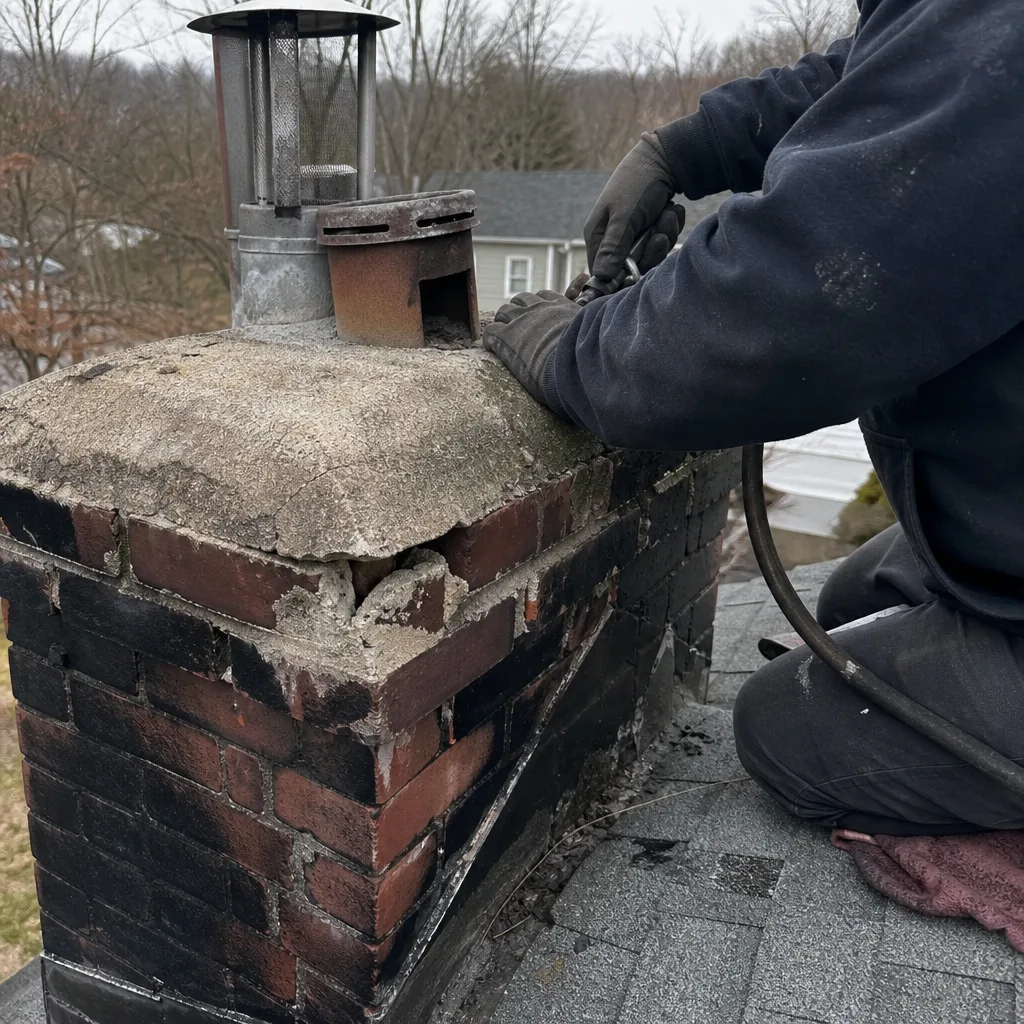
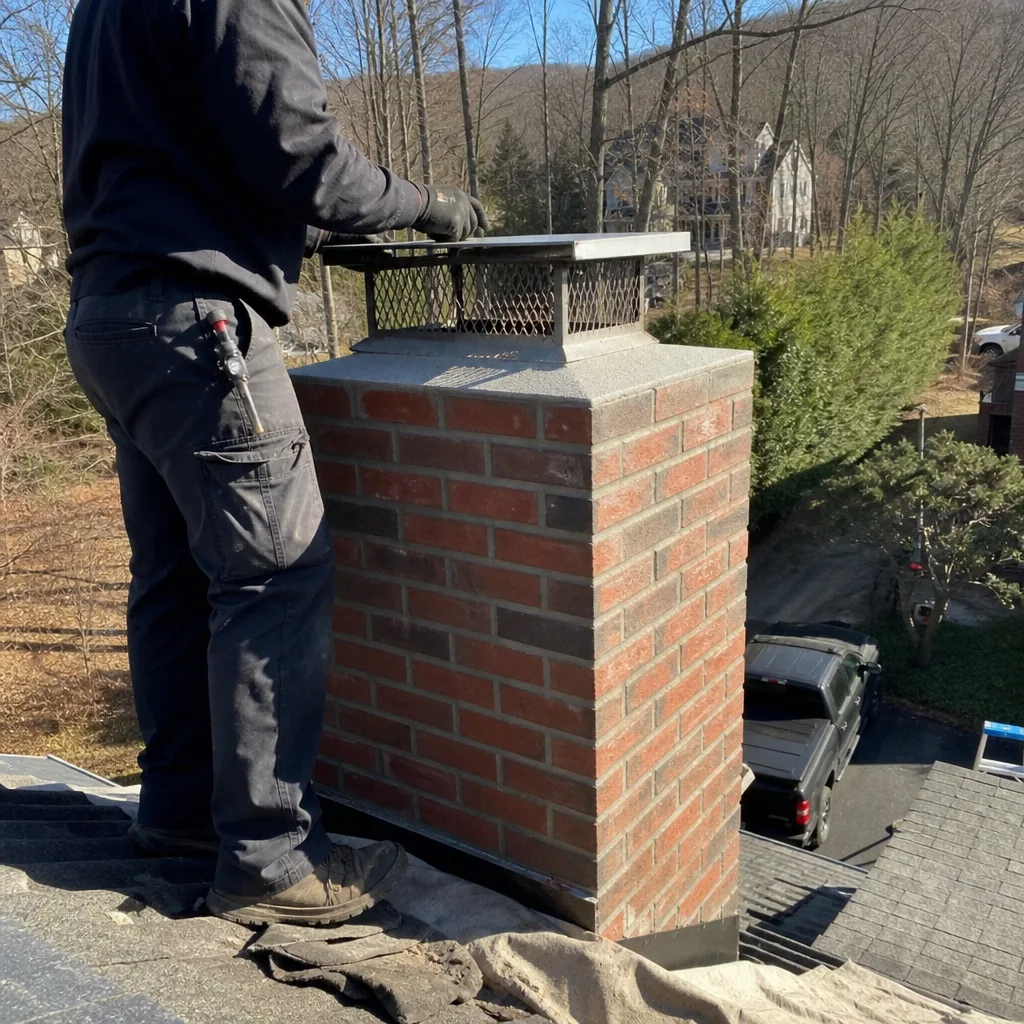
Level 1 sweep and inspection to the NFPA 211 annual standard - flue, crown, cap, and flashing checked and photographed
Chimney sweep logs do not sweep chimneys. They loosen some creosote - which then falls where a brush and vacuum still have to collect it.
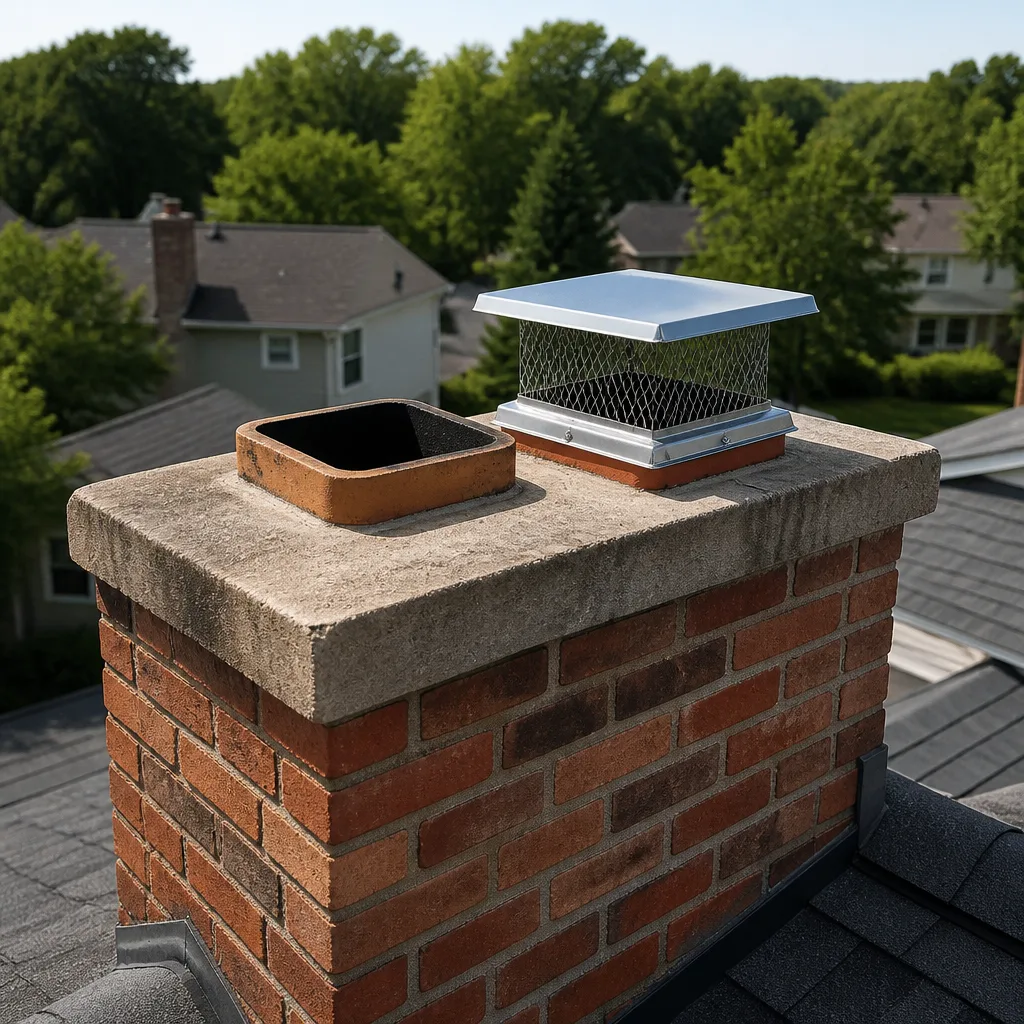
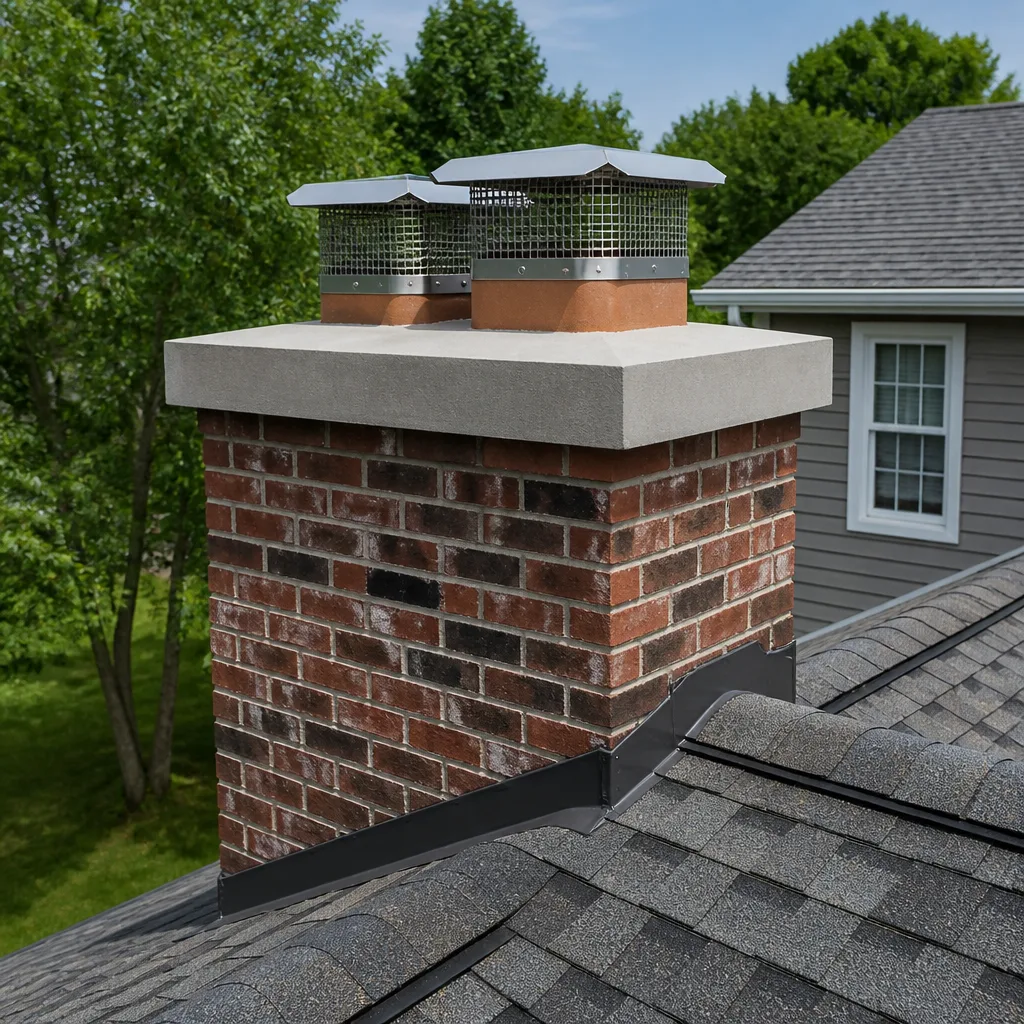
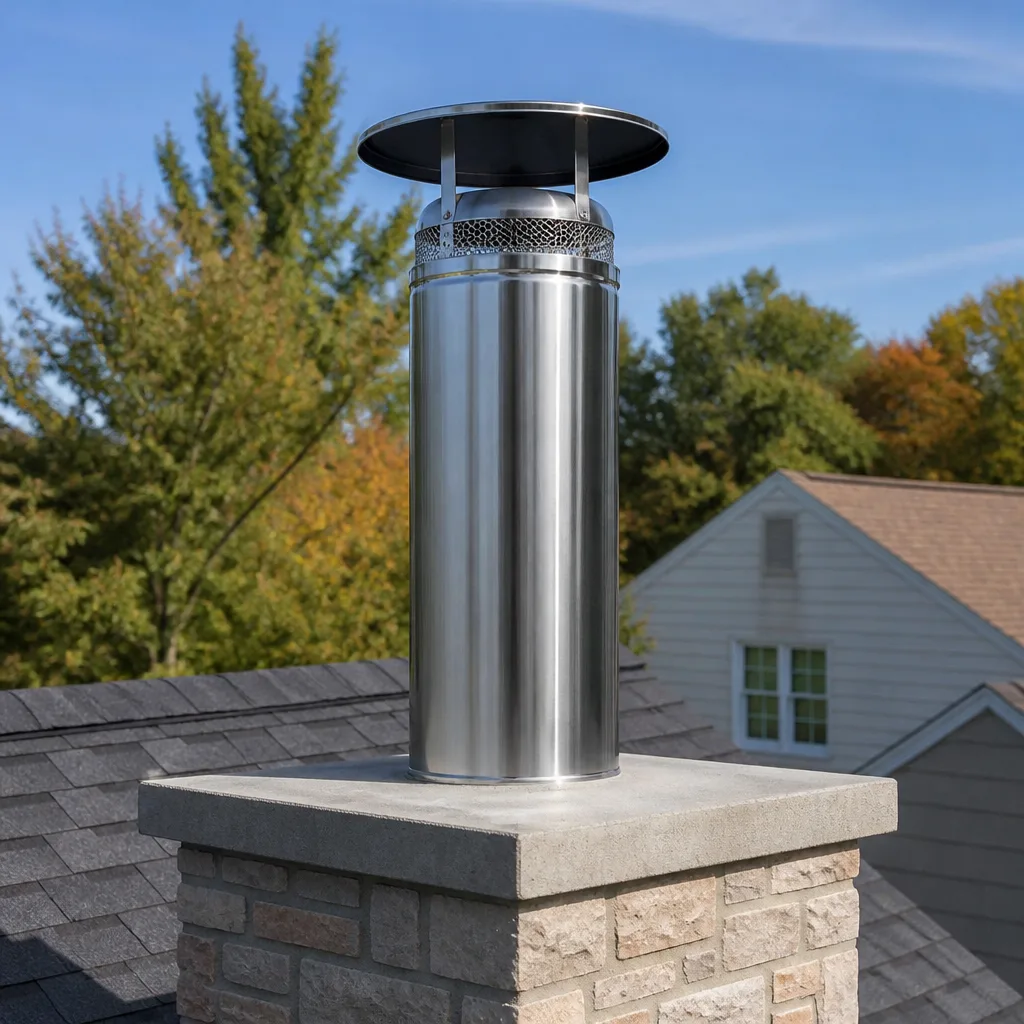
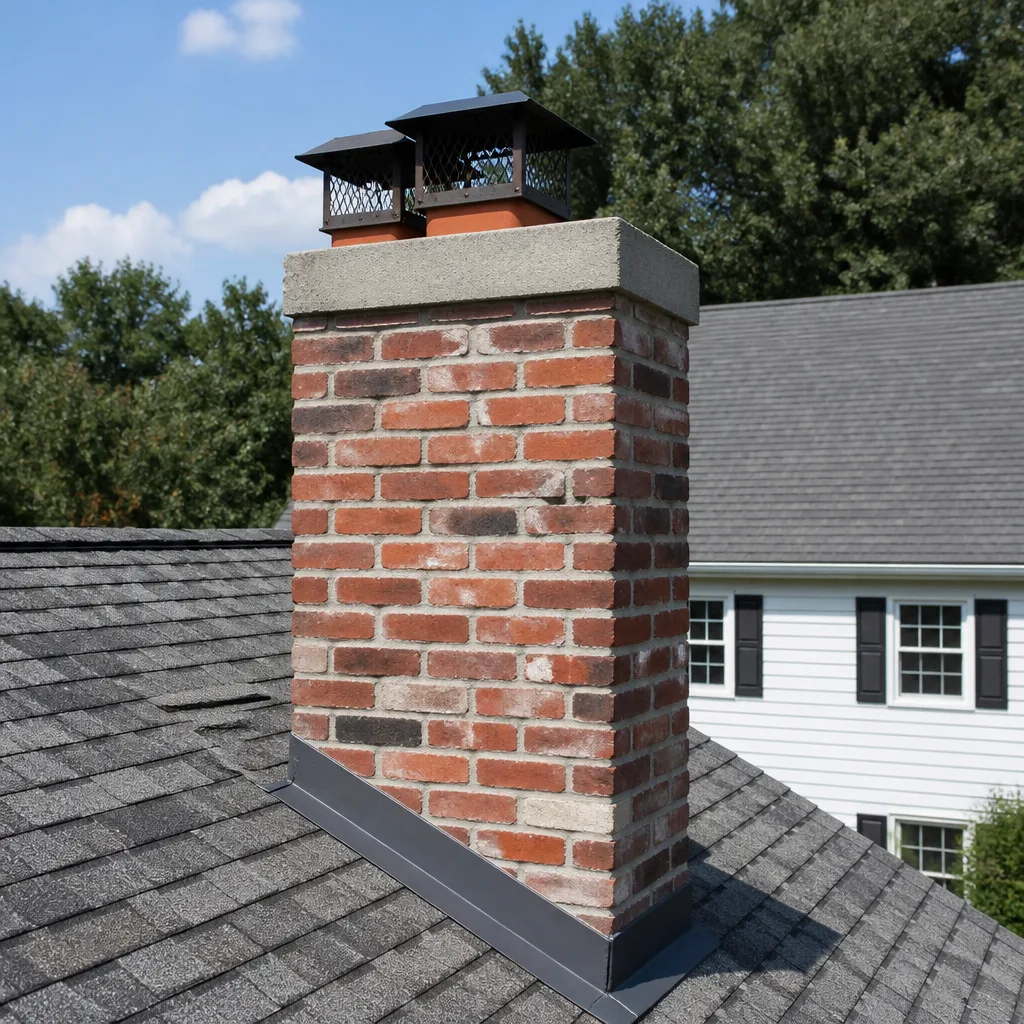
 Before
 After
After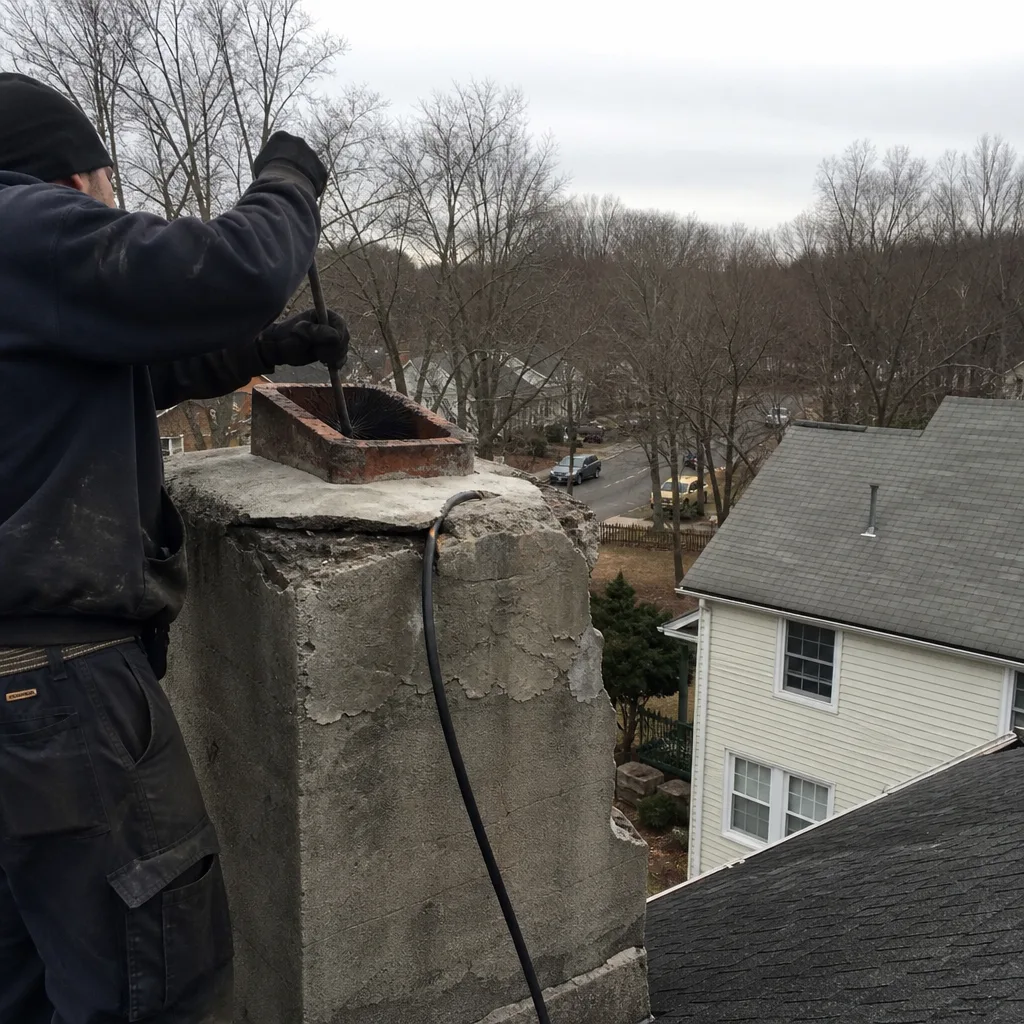 Before
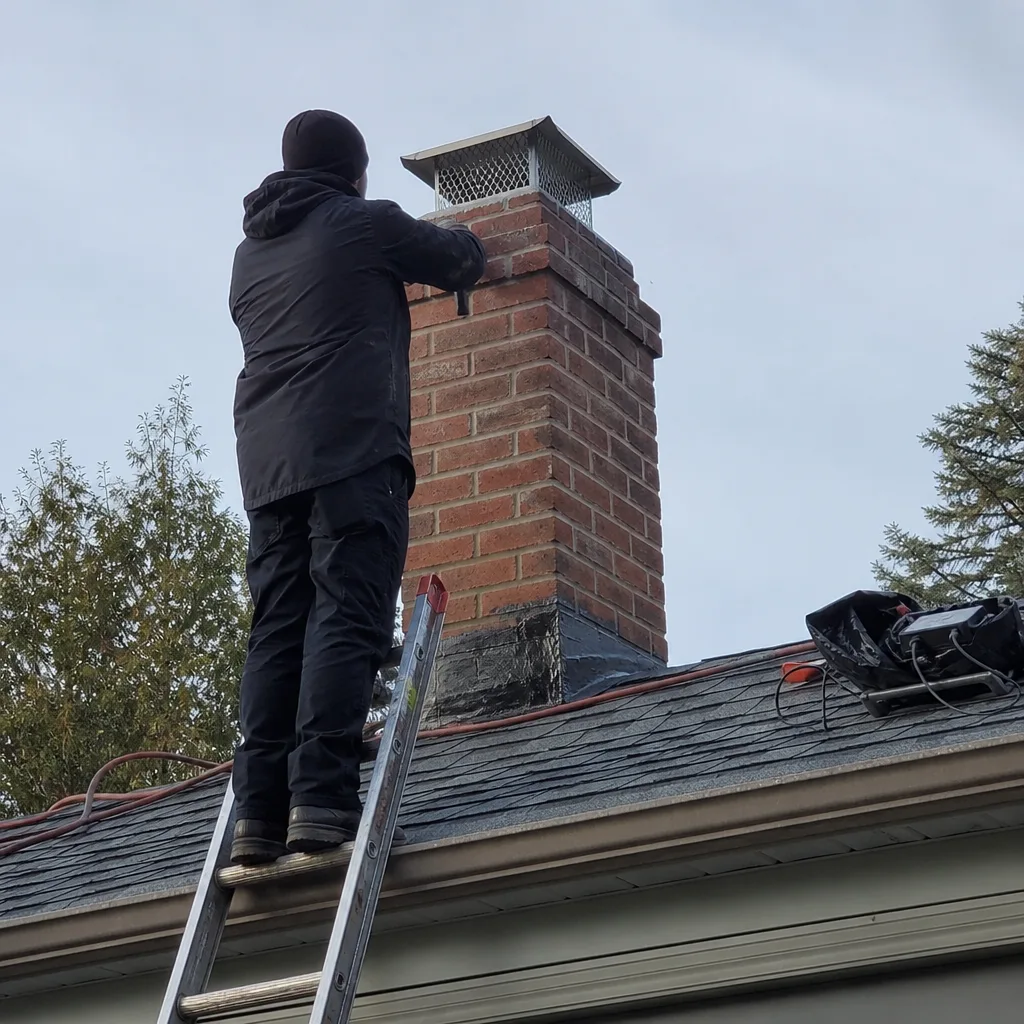 After
After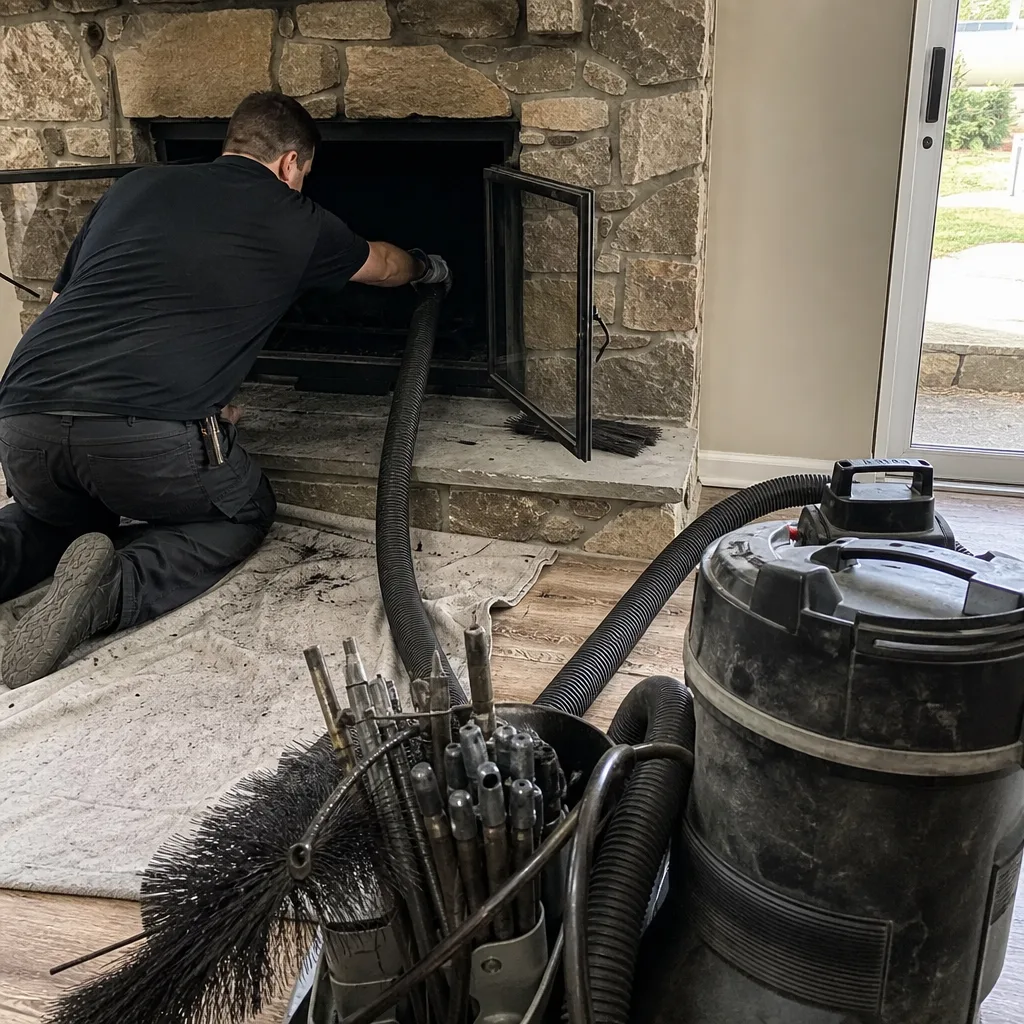 Before
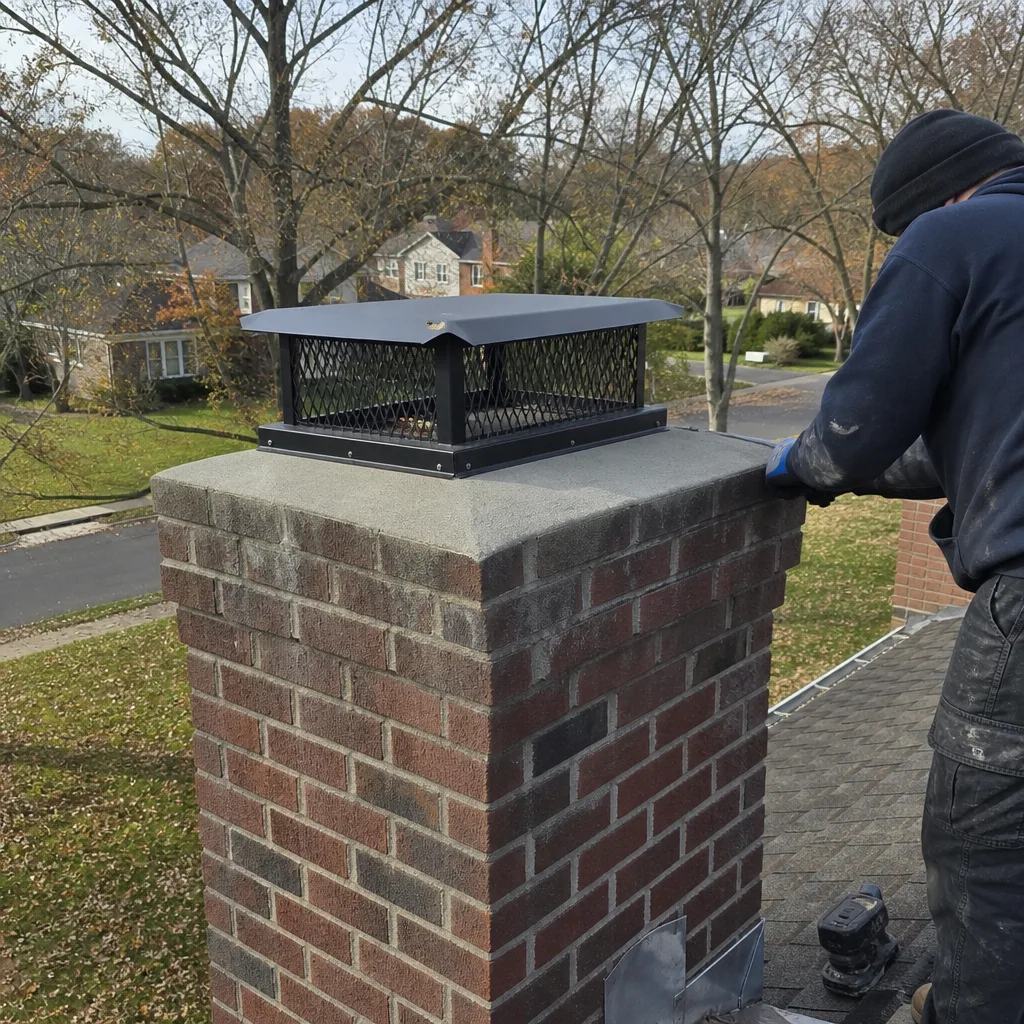 After
AfterThe Complete Guide to Chimney Cleaning in Rockland County
The CSIA says roughly one in three house fires involving chimneys starts in a flue that was cleaned recently. Read that again. The problem usually isn’t that nobody showed up to sweep it. The problem is that nobody actually looked at it properly. This guide is written for Rockland County homeowners who want the straight story on when a chimney actually needs cleaning, what the work should include, and how to avoid paying for a job that was never really done. For seasonal chimney cleaning care specific to Rockland County, see our year-round homeowner’s guide. By the end, you’ll know more about your flue than most sweeps will tell you over the phone.
Quick Answer
Chimney cleaning in Rockland County typically costs between $189 and $350 for a standard open-fireplace sweep, and most homes with regular wood-burning use need it once a year. Homes with gas inserts or very light seasonal use can often go two years, but only if a camera inspection confirms the flue is clean and sound. The real question isn’t how long it’s been since the last sweep. It’s what stage of creosote is sitting in your flue right now, and the only way to know is to look.
Table of Contents
- Why Rockland County Chimneys Are Different From Anywhere Else
- How Often Should You Clean Your Chimney in Rockland County?
- What Creosote Stage Means (And Why It Matters More Than Burn Frequency)
- Level 1 vs. Level 2 Inspections: What You’re Actually Paying For
- What a Proper Chimney Cleaning Actually Includes
- Questions to Ask Any Sweep Before They Start
- What a Finished Job Should Look Like
- Common Mistakes to Avoid
Why Rockland County Chimneys Are Different From Anywhere Else
Rockland County doesn’t have one kind of house, so it doesn’t have one kind of chimney. Drive through Nyack and you’ll pass 1890s stone colonials with original masonry flues. Head up toward Stony Point or West Nyack and you’ll see 1970s split-levels with prefab metal fireplaces. Cross into New City or Pomona and you’ll find newer construction with gas inserts that vent through the same chase as a wood fireplace. Each one needs a fundamentally different approach, and a sweep who treats them all the same is the one who misses things.
Older masonry chimneys in Rockland County have seen more freeze-thaw cycles than almost anywhere else in the state. Our winters swing hard, and when moisture gets into a brick flue and freezes, it spalls. That spalling isn’t a cleaning issue, but it is a safety issue, and it’s exactly the kind of thing a camera inspection catches while a quick brush-and-go sweep misses it entirely. We’ve pulled enough cracked flue tile out of Pearl River and Tappan chimneys to know better than to skip the camera.
Then there are the prefab fireplaces in the split-levels and raised ranches built from the late 1960s through the 1980s. A lot of those units are reaching the end of their service life, and the owners don’t know it because nobody ever told them that prefab fireplaces have a lifespan. The refractory panels crack. The metal warps. And the chimney pipe itself, which was never designed to last sixty years, can separate at the seams. In Rockland County, a 1974 prefab is not a rare antique. It’s a common hazard.
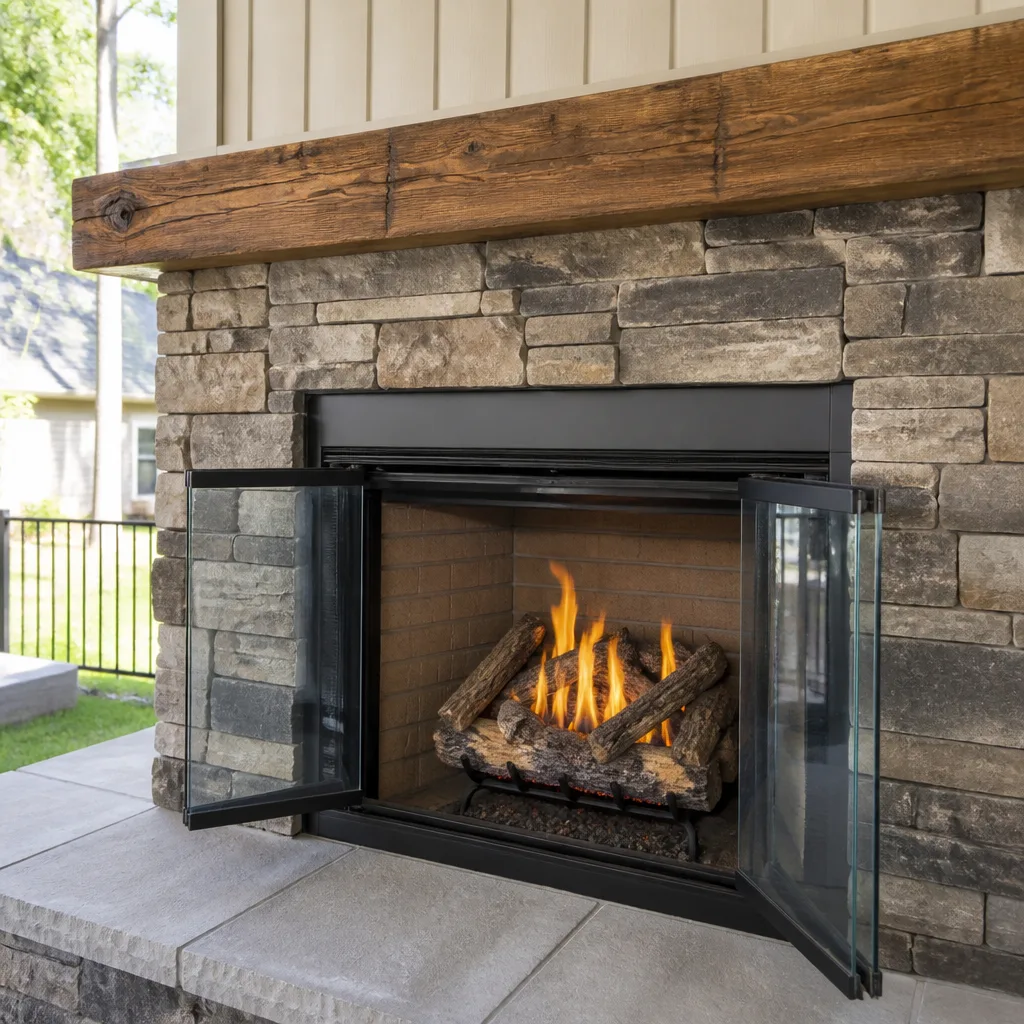
Gas inserts present their own wrinkle. People assume that because there’s no wood smoke, there’s no creosote, and therefore no cleaning needed. That’s half true. Gas can still leave acidic residue that corrodes the flue liner over time, especially if the insert was improperly vented through an existing masonry chimney without a proper liner installed. And the bigger problem: birds, squirrels, and raccoons love an unused flue. We’ve removed enough nesting material from gas-vent chimneys in Suffern and Monsey to fill a dumpster. A gas insert should still be inspected annually, even if the cleaning is usually lighter.
Your flue doesn’t care how the fire looks. It cares how it breathes. And in Rockland County, where the housing stock ranges from pre-Civil War stonework to 1990s track builds, your flue breathes differently depending on what it’s made of, how old it is, and what’s been burned in it for decades before you moved in.
How Often Should You Clean Your Chimney in Rockland County?
The honest answer is: it depends, and anyone who gives you a universal rule without looking at your fireplace is guessing. The Chimney Cleaning & Sweep in Rockland County standard we follow at Top Hat Chimney is simple: once a year, burn or no burn. Chimneys break in the off-season too. A cracked cap lets rain in. A missing mortar joint lets a squirrel in. A liner that was fine in March might not be fine by October. The yearly visit is as much about inspection as it is about sweeping.
That said, we will tell you honestly when a chimney doesn’t need a full sweep that year. If you burned one stack of Duraflame logs last season and the camera shows first-degree creosote dust that comes off with a light brushing, we’re not going to tell you the flue is dangerous to justify a bill. Wendell has been doing this since 1999, and the reason he’s still doing it is that people trust him to tell them when the job doesn’t need doing.
Here’s the breakdown we give homeowners in Rockland County:
- Weekly wood burners, October through March: Every year, no exceptions. You’re building creosote faster than you think, especially if you burn unseasoned wood or keep the damper closed too far at night.
- Occasional wood burners (weekends, holidays, a few fires a month): Every 1 to 2 years, depending on what the camera shows. First-degree creosote is a brush job. Third-degree is a glaze, catch it early.
- Gas insert or gas fireplace: Annual inspection is non-negotiable, but the cleaning itself is usually less involved. The risk isn’t creosote; it’s venting issues, blockages, and acid residue on the liner.
- Fireplace that never gets used: Still inspect it annually. Birds, moisture, and general deterioration don’t care whether you burn. A damp, nesting-choked flue is a health hazard in your living room whether or not there’s a fire in the box.
The category you’re in matters less than what the flue actually looks like inside. That’s why every Top Hat Chimney visit includes camera footage and a plain-English verdict, every time, no exceptions. You will see what we see.
What Creosote Stage Means (And Why It Matters More Than Burn Frequency)
Creosote is the residue that forms when wood smoke cools and condenses on the inside of your flue. And how dangerous your chimney is has very little to do with how many fires you burned last winter. It has everything to do with what stage of creosote is sitting in that flue right now.
There are three stages, and they are not equally dangerous:
- First-degree creosote: A fine, dusty, sooty film. It brushes off relatively easily with a standard sweep. This is what most clean flues look like at the end of a season of moderate burning. Annoying, but not dangerous if it’s removed before next season.
- Second-degree creosote: Crunchy, flaky, shiny black flakes. Harder to remove, and it builds up when the flue isn’t drafting properly or the wood isn’t fully seasoned. At this stage, you’re creating real fire risk. A hot enough fire can ignite second-degree creosote and cause a chimney fire that cracks your liner and spreads to the house’s framing.
- Third-degree creosote: A hard, glossy, tar-like glaze. This is what we find after a chimney fire, or in flues that have been neglected for years. It’s extremely difficult to remove with brushes alone and often requires chemical treatment, rotary cleaning, or liner replacement. Third-degree creosote is not something you brush away on a Saturday afternoon.
Here’s the part that surprises people: you can build third-degree creosote in a single season if you burn unseasoned wood low and slow with the damper nearly closed. It’s not about how often you burned. It’s about how hot the fires were, how wet the wood was, and how well the flue drafted. A chimney that saw twenty hot, clean-burning fires might have less creosote than one that saw ten smoldering, smoky fires.
You cannot accurately determine creosote stage from the ground looking up with a flashlight. You need a camera. In Rockland County, where many homes burn mixed hardwoods from local suppliers that vary in seasoning quality from year to year, we see second-degree creosote more often than people expect, even in chimneys that were swept just twelve months ago.
Level 1 vs. Level 2 Inspections: What You’re Actually Paying For
Every chimney inspection in Rockland County should fall into one of two categories defined by the National Fire Protection Association. Most sweeps toss around the terms but never explain them. Here’s the plain version.
Level 1 inspection is the basic check. It covers the readily accessible portions of the chimney: the firebox, the damper, the visible flue surface, the exterior chimney above the roof if you can see it from the ground or a ladder. A Level 1 is appropriate when you’ve been using the same fireplace with the same fuel and haven’t changed anything about the system. It’s the inspection that pairs with a routine annual sweep.
Level 2 inspection is more involved and includes everything in Level 1, plus the accessible portions of the attic, crawl space, and basement around the chimney. It also includes a video scan of the flue interior and an examination of the chimney crown, cap, and flashing from the roof. A Level 2 is required by code when you buy or sell a home, when you change fuels (wood to gas, for example), after a chimney fire, or after any event that might have damaged the flue, like a lightning strike or a tree limb hitting the chimney.
Here’s the practical guidance for a typical Rockland County homeowner:
- If you’re staying in your home, burning the same fuel you’ve always burned, and your last sweep found nothing alarming, a Level 1 inspection with your annual cleaning is usually sufficient.
- If you just bought the house, even if the seller said the chimney was swept, get a Level 2 inspection. We’ve found cracked flue tiles and separated prefab pipe in chimneys that came with a clean bill of health from a previous sweep who never put a camera up there.
- If you’ve had a chimney fire, even a small one, you need a Level 2 inspection before you light another fire. Period.
- If you’re converting from wood to gas or vice versa, Level 2. The flue requirements change, and what worked for wood may not work for gas.
Wendell and his crew perform both levels. And because a camera inspection is part of every job we do, you don’t have to guess which inspection the technician actually performed. You’ll have the footage.
What a Proper Chimney Cleaning Actually Includes
A real chimney cleaning in Rockland County is not fifteen minutes with a brush on a rod. It’s a process, and if a sweep quotes you $79 for a chimney cleaning and says he’ll be in and out in half an hour, you’re not getting a cleaning. You’re getting a brush scare.
Here’s what a legitimate chimney cleaning should include, in the order it should happen:
- A visual check before anything else. The sweep should look at the firebox, damper, smoke chamber, and the exterior chimney condition. This tells him what he’s working with and flags obvious problems before the sweeping begins.
- Drop cloths and protection for your floors and furniture. A real sweep doesn’t track soot through your living room. The work area should be sealed off, vacuum equipment staged, and your home treated like it’s your home, not a job site.
- Mechanical brushing of the entire flue length. Nylon or poly brushes for metal liners, wire brushes for masonry. The brush should pass from the top or bottom through the full length of the flue, not just the top few feet.
- Smoke chamber and damper cleaning. The smoke chamber above the firebox catches a surprising amount of debris, and if it’s not cleaned, creosote can re-deposit in the flue within months.
- Camera inspection after the cleaning. This is the non-negotiable part. You have to see the liner condition after the creosote is removed. Hairline cracks, missing mortar, warped prefab pipe, and separated seams are all things a camera catches that a brush never will.
- Damper check and adjustment. The damper should open and close smoothly, seal properly when closed, and not be warped or rusted through.
- Cap and crown inspection (from the roof if safely accessible). A missing or damaged cap is an open invitation for rain, birds, and squirrels. A cracked crown lets water into the masonry and accelerates liner deterioration.
- A written report and camera footage. You should receive something you can read and refer back to: what was found, what was done, and what needs attention. If the sweep won’t give you written documentation, find another sweep.
This process takes time. A proper cleaning on a typical Rockland County masonry chimney takes ninety minutes to two hours, plus inspection time. If someone is offering to do it in forty-five minutes for $99, ask what he’s leaving out. The answer is usually most of the above.
Questions to Ask Any Sweep Before They Start
Ask anyone on your street about chimney sweeps and you’ll get an opinion. Some of those opinions are hard-earned. The homeowners we serve in Rockland County have been burned before, often by a national outfit that quoted one price on the phone and another at the door. Here’s what to ask before you let anyone onto your property.
1. What’s your license number, and can I verify it through the NY Department of State?
New York requires home improvement contractors to be licensed. The license number should be on the vehicle, on the paperwork, and verifiable online. If the person hesitates, that’s your answer. Wendell publishes his license number and his name on every job because he stands behind the work.
2. Is the price you quoted on the phone the price I’ll pay?
If the answer is anything except yes, hang up. Upfront pricing before a single tool comes off the truck is a basic professional standard. The number you hear on the phone should be the number on the invoice. At Top Hat Chimney, it is, and it’s written on the work order before we start.
3. Will you show me the camera footage?
If the sweep doesn’t use a camera or won’t show you the footage, you’re trusting his word on the condition of your flue. You wouldn’t buy a used car without looking at the engine. Don’t pay for a chimney cleaning without seeing the flue.
4. What does the $189 actually include?
Some companies quote a bare sweep and then upsell the inspection, the damper check, the cap check, and the written report as add-ons. The “cheap” sweep ends up costing more than a professional cleaning. Get the total price for the complete job, in writing, before anyone gets on your roof.
5. Do you repair chimneys too, or just clean them?
A sweep who only cleans and refers out every repair isn’t necessarily bad, but he’s limited. When the camera reveals a cracked liner or a failing prefab, you want someone who can fix what he found, not someone who shrugs and hands you a phone number. Top Hat Chimney handles cleaning and repair, including liner installation with DuraFlex and HeatShield and crown work from Chimney Repair in Rockland County.
6. Who is actually showing up?
Is it the person whose name is on the company? Is it a subcontractor? Is it a rotating crew from a national call center? In Rockland County, you want the sweep who shops at the same hardware store as you. Wendell has been working these communities since 1999, and the person who answers the phone might be the person who shows up at your door.
What a Finished Job Should Look Like
You can tell a lot about a chimney cleaning by what the crew leaves behind. A professional job leaves your home the way it was found, the fireplace ready to burn, and a clear paper trail.
Here’s what you should have in hand when the job is done:
- Camera footage, either on a device you can review or sent to you. The footage and a plain-English verdict, every time, no exceptions. If you can’t see the inside of your flue after a cleaning, you don’t know if it was actually cleaned.
- A written inspection report. This should note the creosote stage found, what was removed, the condition of the liner, damper, cap, and crown, and any recommended repairs with a clear priority: must-do, should-do-soon, can-wait.
- A receipt that shows the agreed price. Not a handwritten scribble on a carbon copy. A real invoice with the company name, address, license number, and the service performed.
- A guarantee in writing. Not a verbal “we’ll make it right.” A written guarantee. Top Hat Chimney stamps the 90-Day Done Right Promise on every job: if it’s not done right, we make it right, one call brings Wendell back, no additional cost.
- A clean work area. No soot footprints on the carpet, no ash left in the firebox, no brushes or drop cloths forgotten in the living room. The sweep should vacuum the firebox, sweep up any debris, and treat your home respectfully.
If the crew leaves and you find soot streaks on the hearth, debris in the fireplace, and no written report, call them back. And if they don’t answer, you learned something. Live person answers every call at Top Hat Chimney, around the clock. No voicemail box, no call center. Wendell has been running it that way for over 29 years.
Common Mistakes to Avoid
- Assuming gas fireplaces don’t need inspection. Gas logs don’t produce creosote, but the venting can deteriorate, crack, or get blocked by animals. An annual inspection catches venting problems before they become carbon monoxide problems in your living room.
- Skipping the camera inspection to save $50. A brush sweep without a camera is like a dentist checking only your front teeth. The problems hide where you can’t see them, and by the time symptoms appear, the repair is three times the cost.
- Burning unseasoned Rockland County firewood. A lot of local firewood is cut, split, and delivered the same season it’s sold. Burning green wood is the fastest way to build second and third-degree creosote. Wood should be split and stacked for at least six to twelve months before burning.
- Shutting the damper too far to make the fire last longer. A smoldering, low-oxygen fire is a creosote factory. Burn hot and clean, and close the damper only when the fire is completely out.
- Falling for the $49 special from the postcard. Nobody can do a proper chimney cleaning in Rockland County for $49 and stay in business. The postcard sweep is there to get in the door and sell you a liner you probably don’t need. If the price is too good, that’s the business model.
- Delaying repairs the camera already revealed. A cracked flue tile doesn’t heal. A separated prefab joint doesn’t reseal. The longer a known defect sits, the more it costs to fix, and every fire you light in the meantime is a gamble. Ask anyone on your street whose chimney fire could have been prevented by a $600 repair.
- Hiring a sweep who won’t show you his license. In New York, if he can’t produce a verifiable license number, he’s not a professional. He’s a guy with a truck and a brush. There’s a difference.
When to Call a Professional
You should call a professional whenever you see smoke backing up into the room, smell a strong creosote odor in the summer heat, hear animals in the chimney, see water stains on the ceiling or wall around the fireplace, or notice white staining on the exterior brick. You should also call if you’ve never had a camera inspection, if the previous owner left no documentation, or if it’s simply been more than a year since anyone looked at the flue.
Chimney fires don’t announce themselves politely. They start inside a space you can’t see, fueled by material you didn’t know was there, and by the time flames shoot out the top, the damage is already done. Top Hat Chimney offers free estimates in Rockland County, call (845) 599-0832. Wendell will come out, put the camera up there, and tell you honestly what needs doing and what can wait.
Frequently Asked Questions
A standard open-fireplace chimney cleaning in Rockland County typically runs between $189 and $350. The price varies depending on the flue type, creosote stage, chimney height, and whether any repairs are needed. Top Hat Chimney gives upfront pricing before any work begins, so the number you hear on the phone is the number on the invoice. Call (845) 599-0832 for an exact quote, estimates are free.
Yes, you still need it inspected annually even if you only burn occasionally. Creosote can build surprisingly fast in a flue that never gets hot enough to burn off residue, and off-season problems like animal nesting, water damage, and liner deterioration happen whether you burn or not. A fireplace service in Rockland County can inspect the flue and tell you honestly if cleaning is due this year. Call (845) 599-0832 to schedule.
Most wood-burning chimneys in Rockland County should be cleaned once a year if you burn regularly from October through March. Light-use fireplaces can sometimes go two years, but only when a camera inspection confirms the flue is clean. Gas fireplaces need annual inspection but less frequent cleaning. Once a year, burn or no burn is the safest baseline.
Creosote keeps building up, and as it accumulates it becomes more flammable and harder to remove. First-degree creosote is a brush job, third-degree is a glaze requiring chemical or rotary treatment. If the buildup ignites, the chimney fire can crack the flue liner and spread to the house’s structure. The damage from a chimney fire is always more expensive than the sweep that would have prevented it. Call (845) 599-0832 and let us look before it becomes a problem.
Yes. A brush removes creosote, but only a camera reveals the condition of the flue underneath, and that’s where the actual safety issues live: cracked tiles, separated joints, warped metal, and hidden blockages. Without camera footage, you’re paying for a cleaning and getting no evidence of what was actually accomplished. Top Hat Chimney includes camera inspection and footage with every cleaning. Every time, no exceptions.
Yes. Top Hat Chimney offers $40 off any repair over $200, a free second opinion on any competing written estimate, no trip charge for calls inside the county, and 10% off always for seniors and veterans. These are permanent standing offers, not seasonal promotions. Call (845) 599-0832 and mention this guide to claim your discount.
The Bottom Line
A chimney cleaning is not a commodity. It’s a safety inspection that includes a cleaning, and the difference between a good one and a bad one is the difference between a warm winter and a chimney fire. In Rockland County, where chimneys range from pre-Civil War masonry to vintage prefab metal, the only way to know what you actually have is to look inside with a camera, have a licensed sweep who knows this county’s housing stock interpret what he sees, and get the verdict in plain English with footage you can watch yourself. Top Hat Chimney has been doing exactly that since 1999, and the 90-Day Done Right Promise is in writing on every job. Call (845) 599-0832 for a free estimate, and ask for Wendell.
Written by Wendell Pike, Owner at Top Hat Chimney, serving Rockland County since 1999.