

Level 1 sweep and inspection to the NFPA 211 annual standard - flue, crown, cap, and flashing checked and photographed
Chimney sweep logs do not sweep chimneys. They loosen some creosote - which then falls where a brush and vacuum still have to collect it.
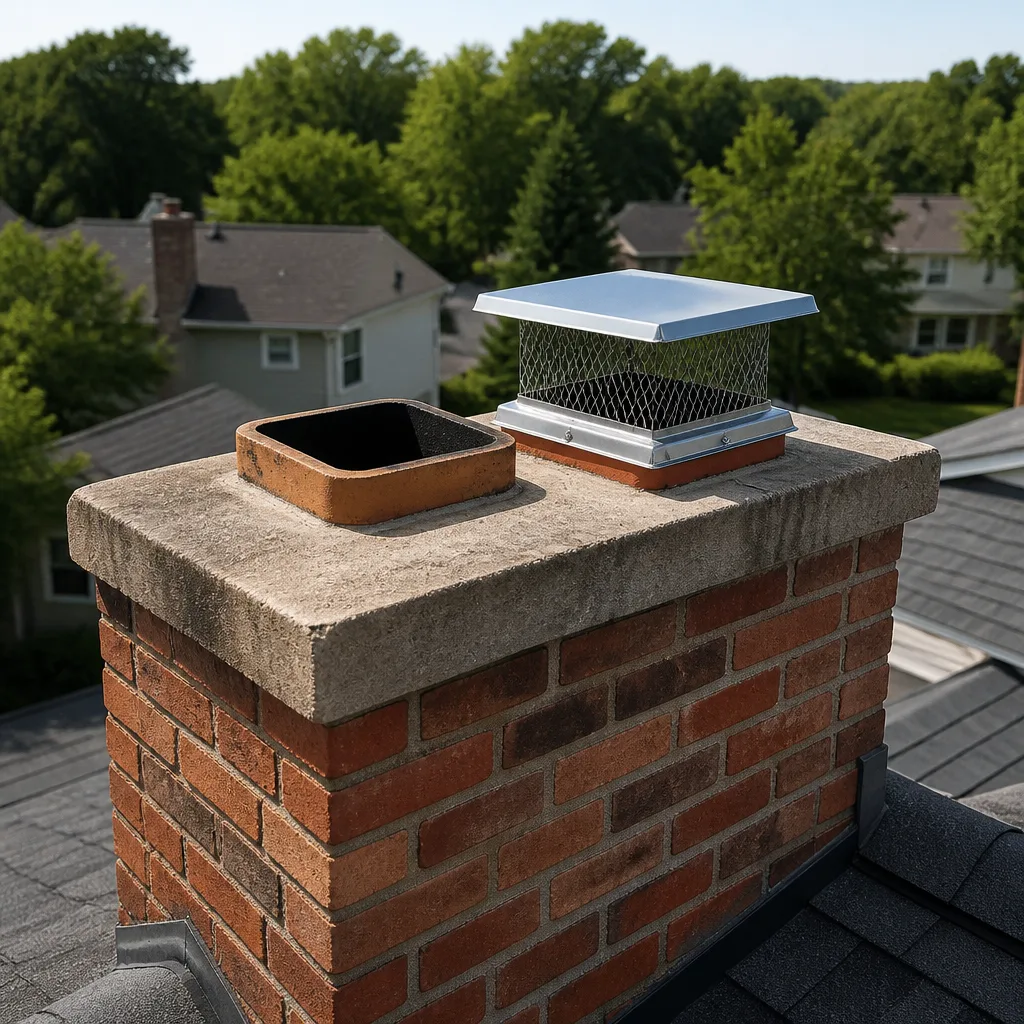
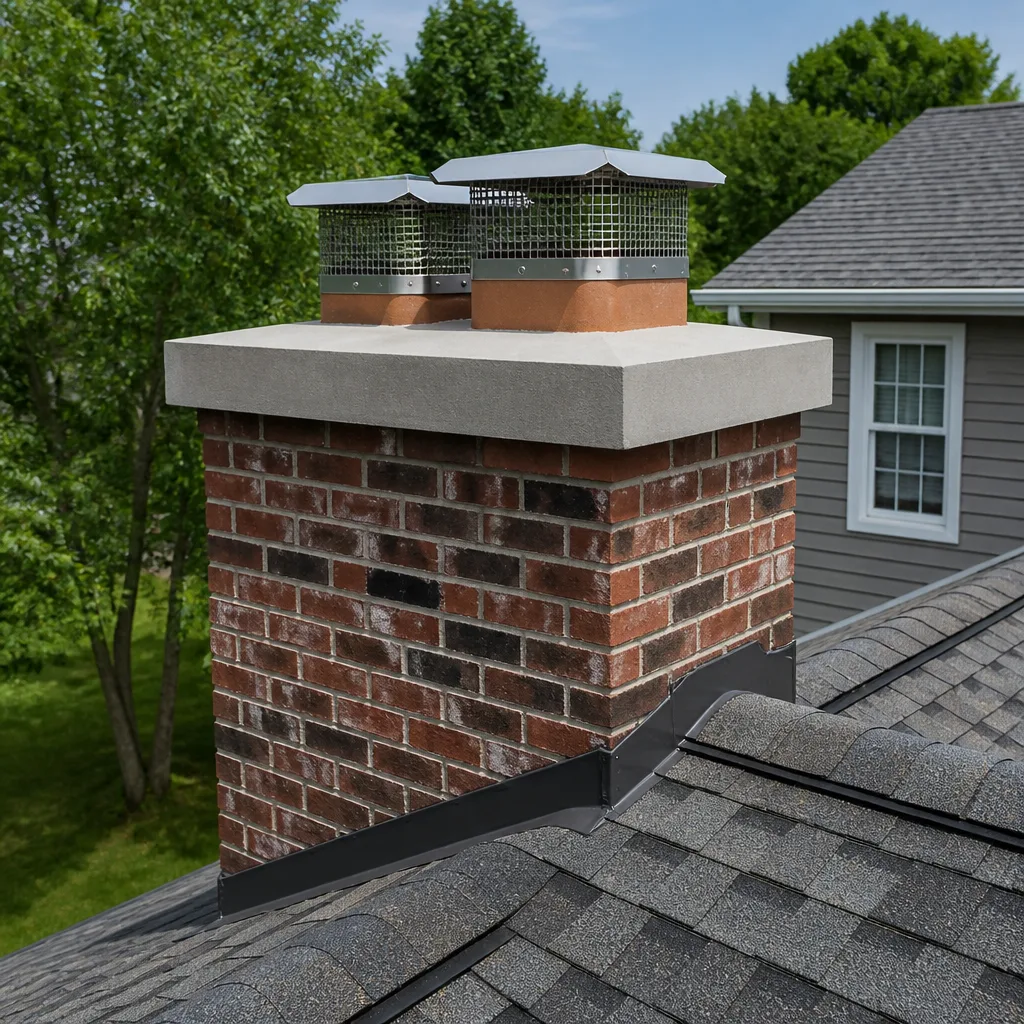
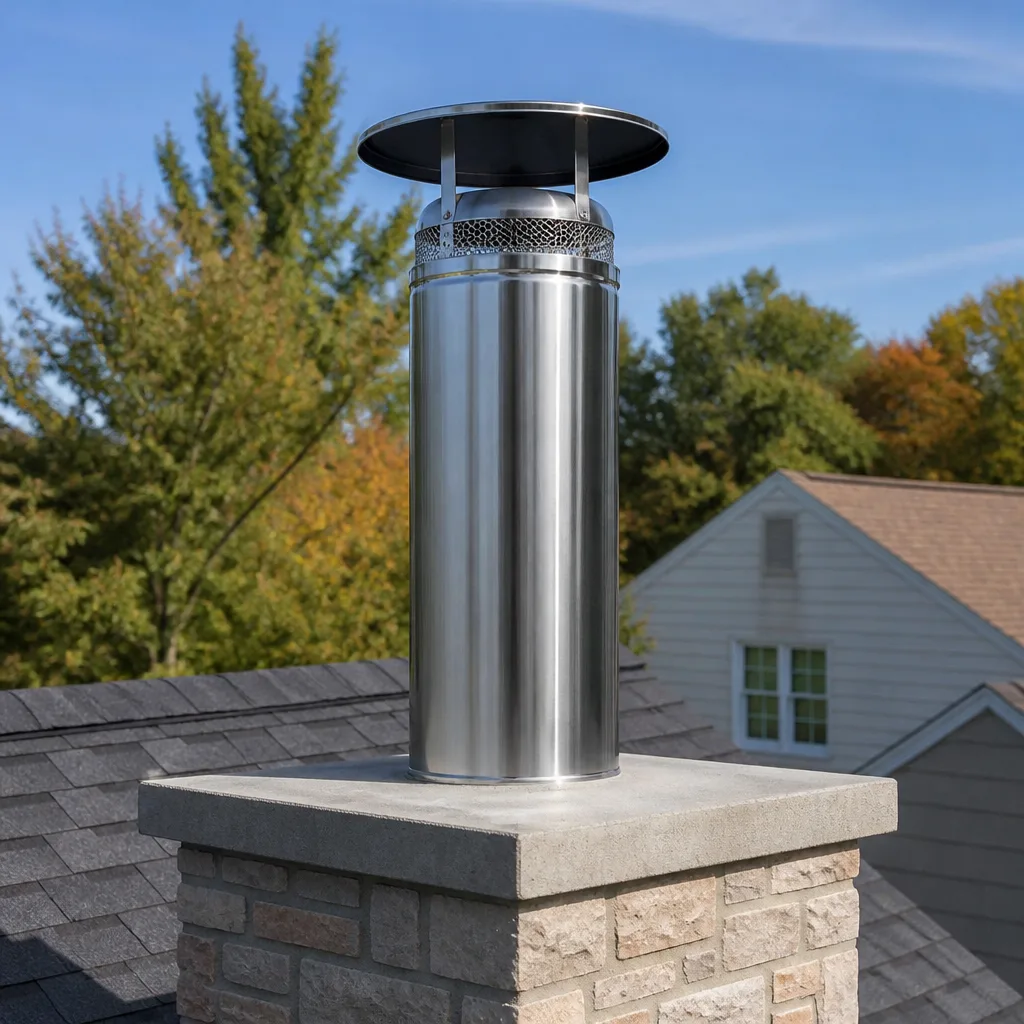
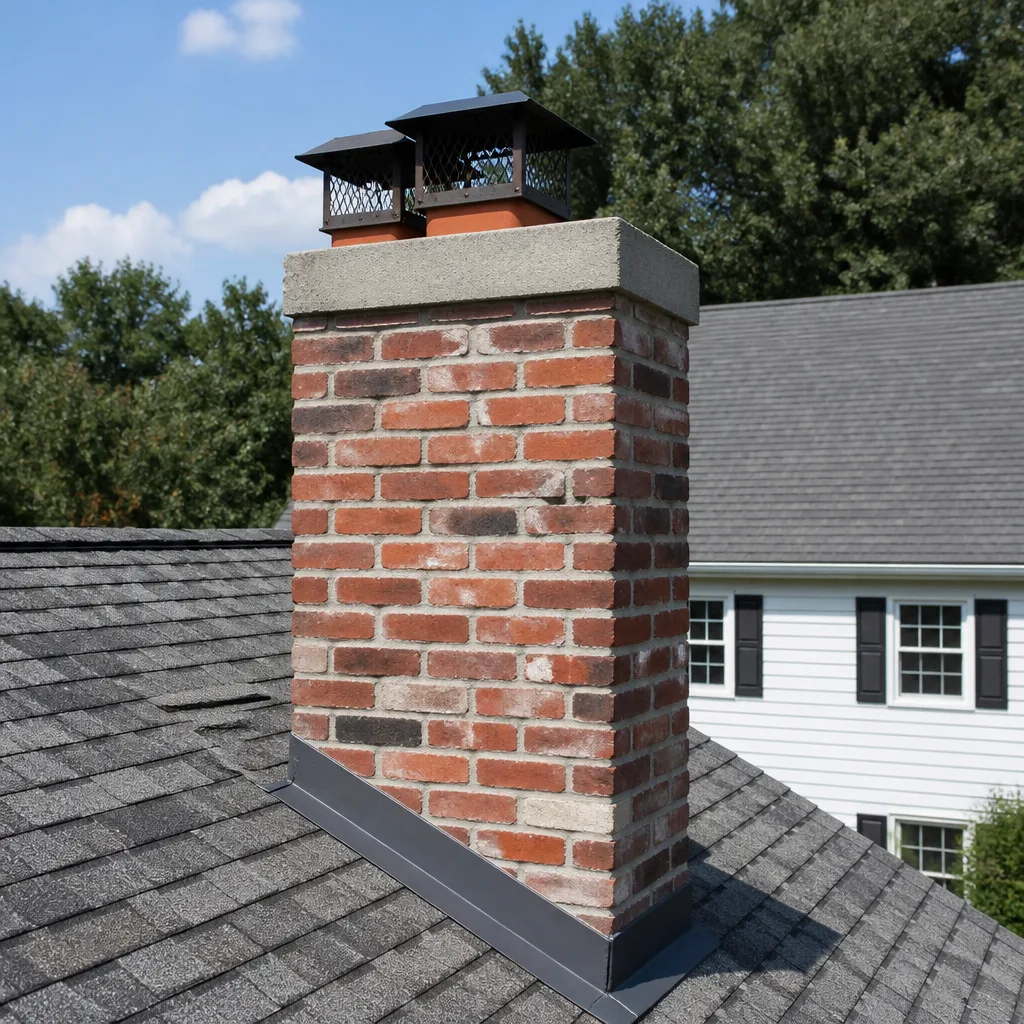
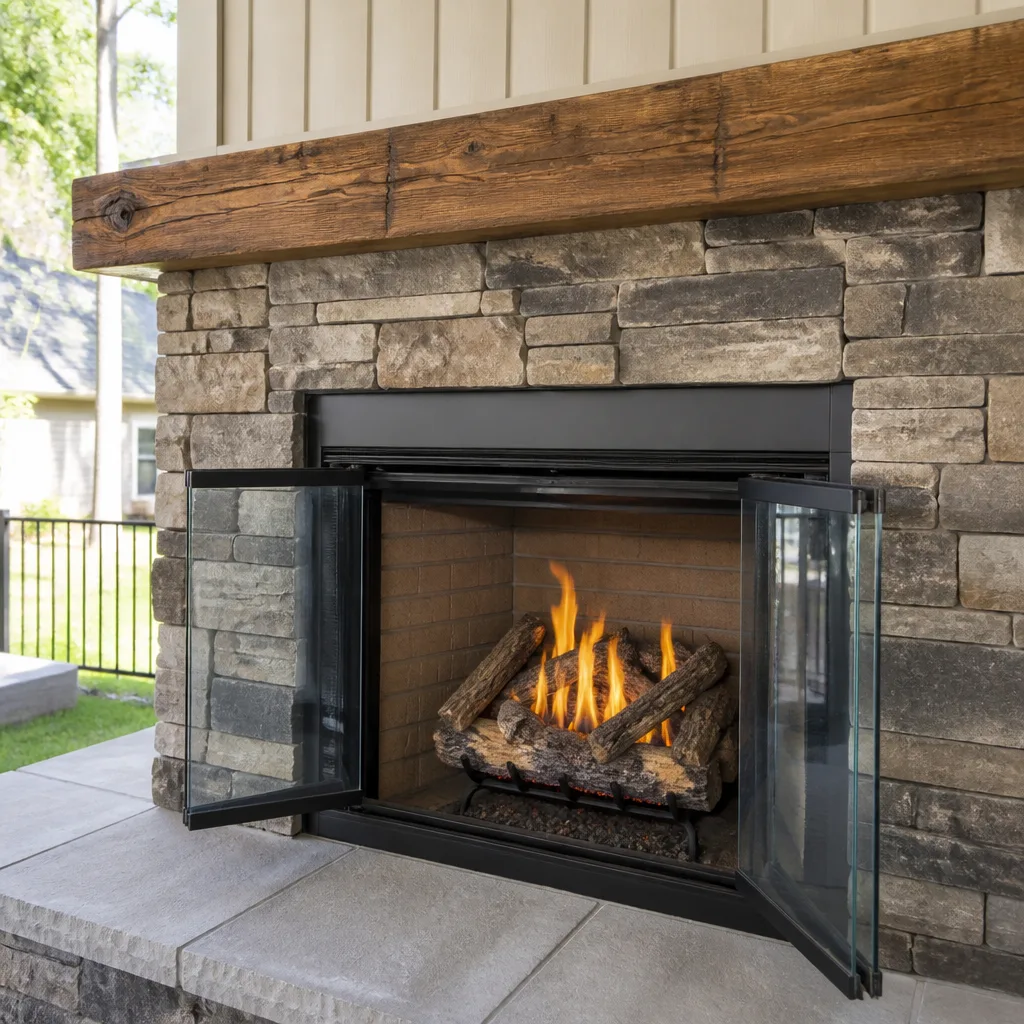
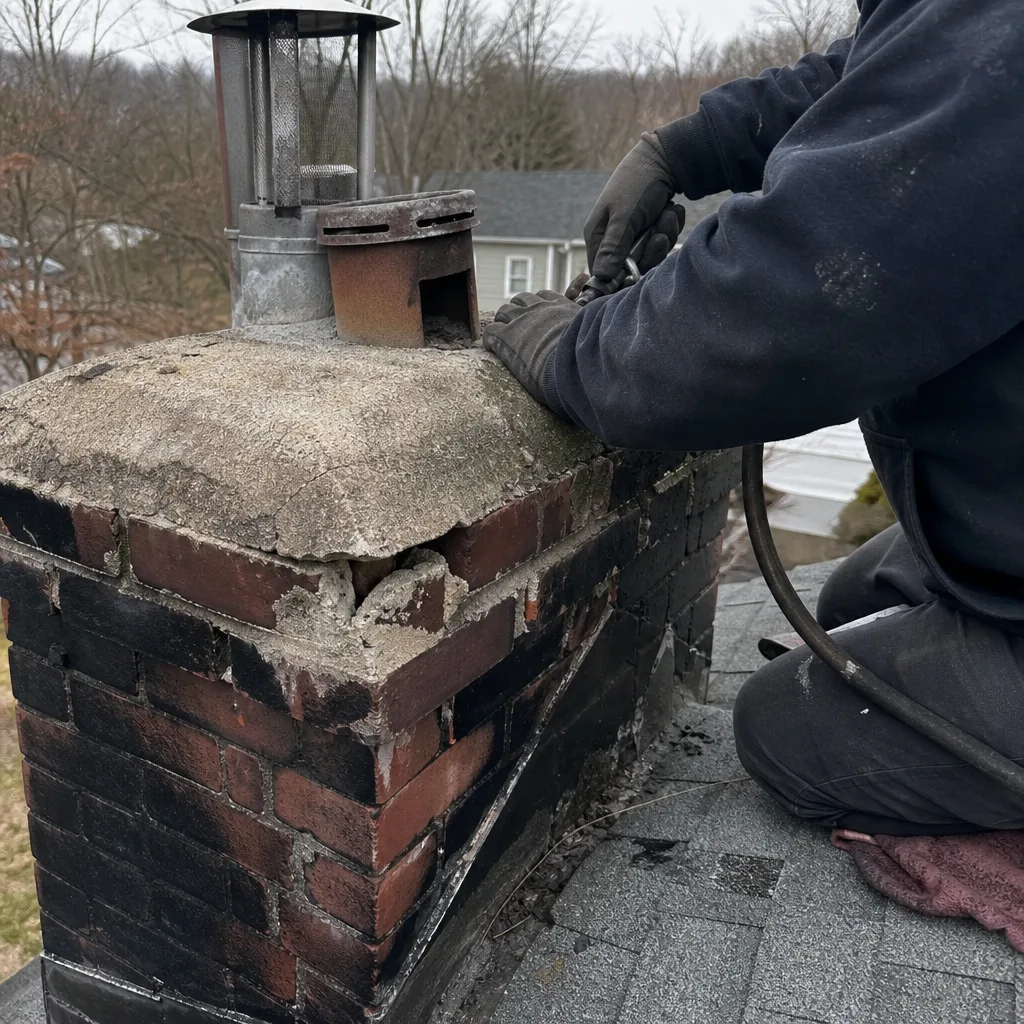 Before
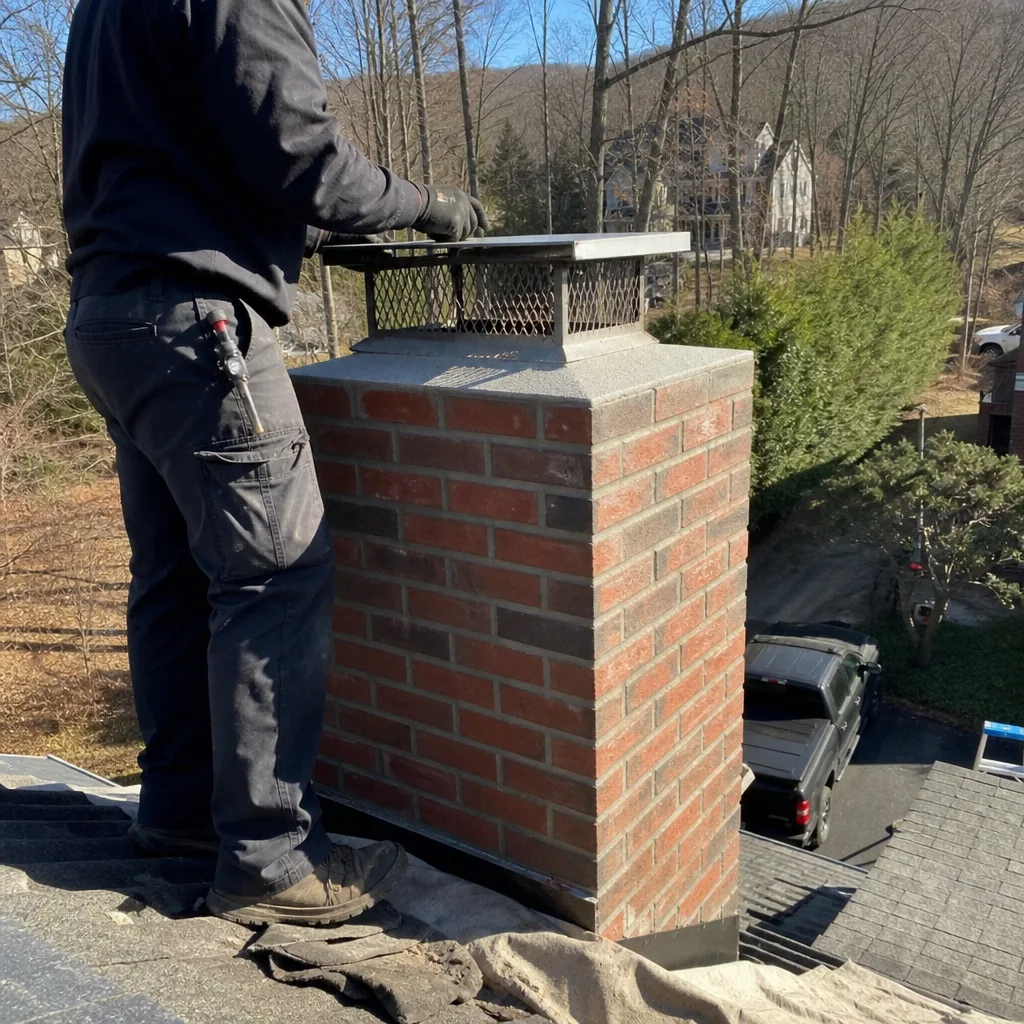 After
After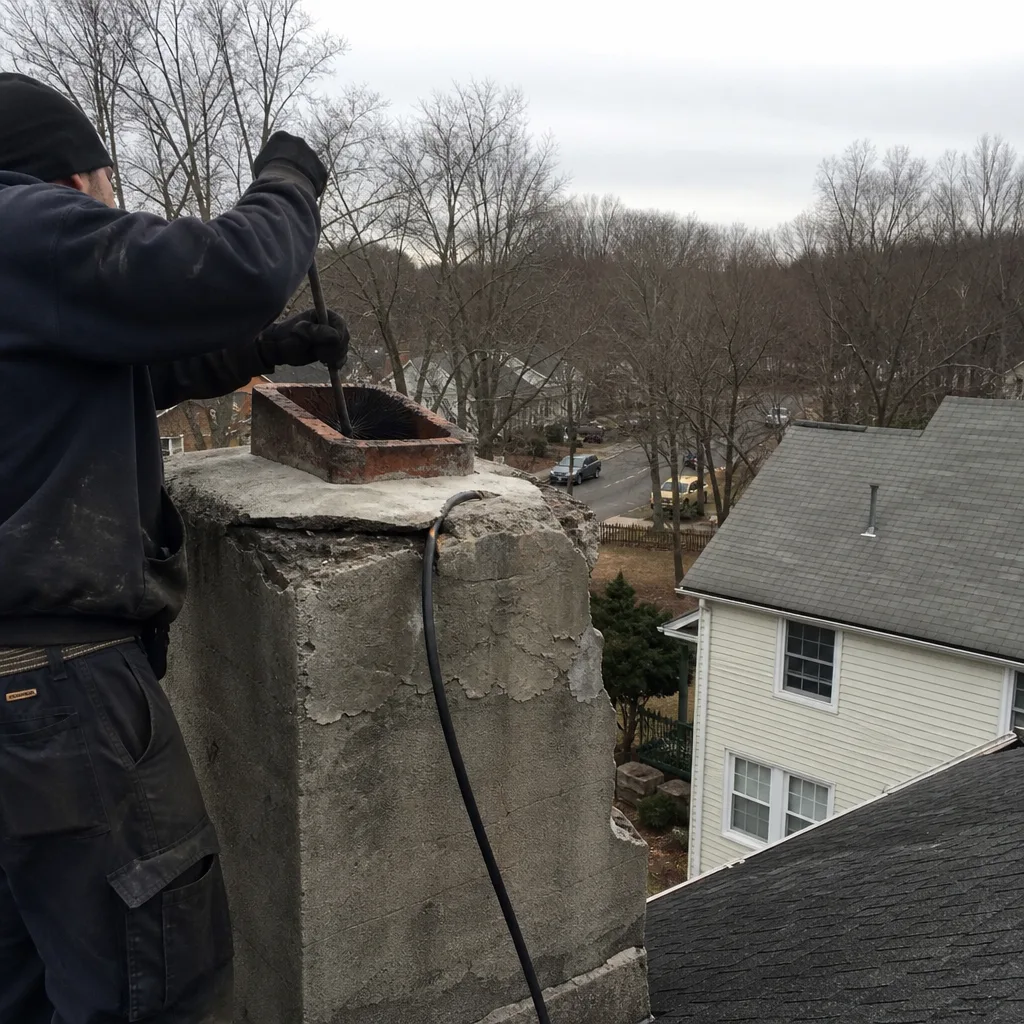 Before
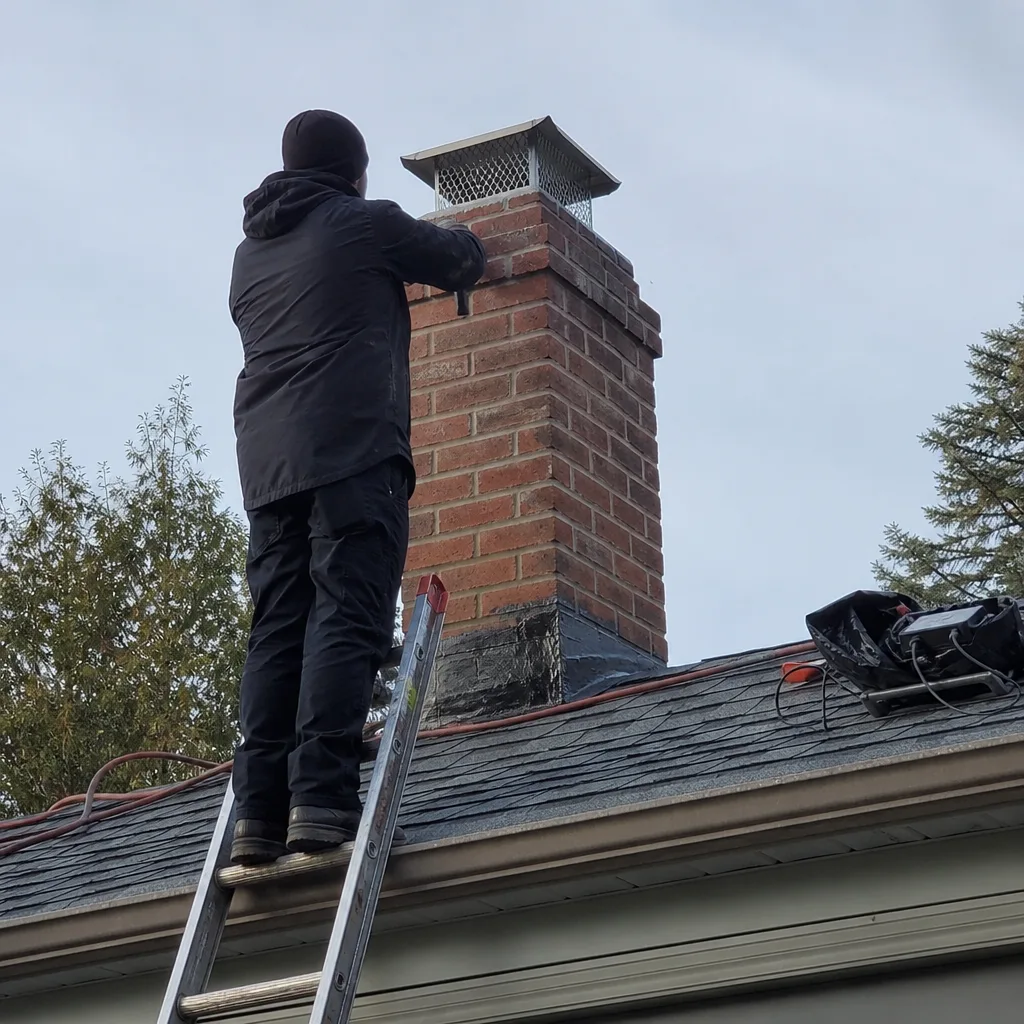 After
After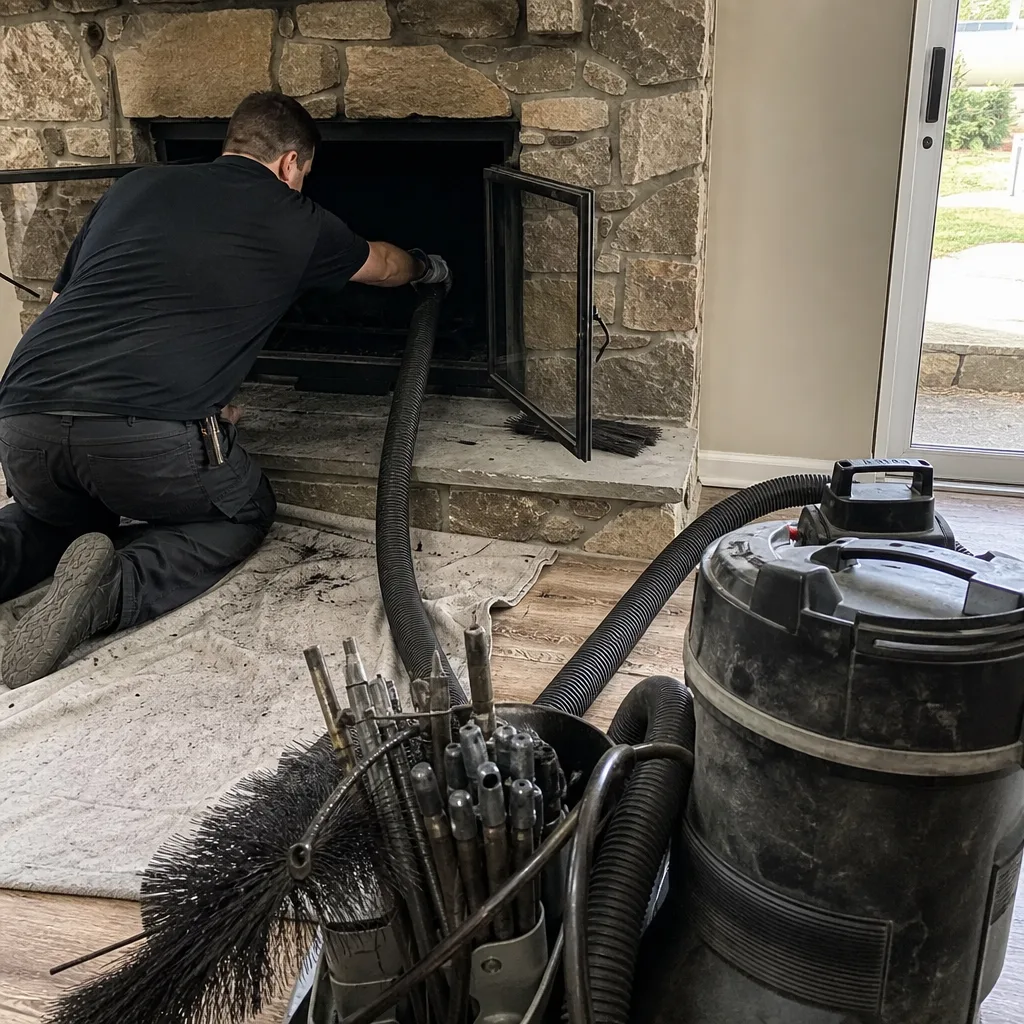 Before
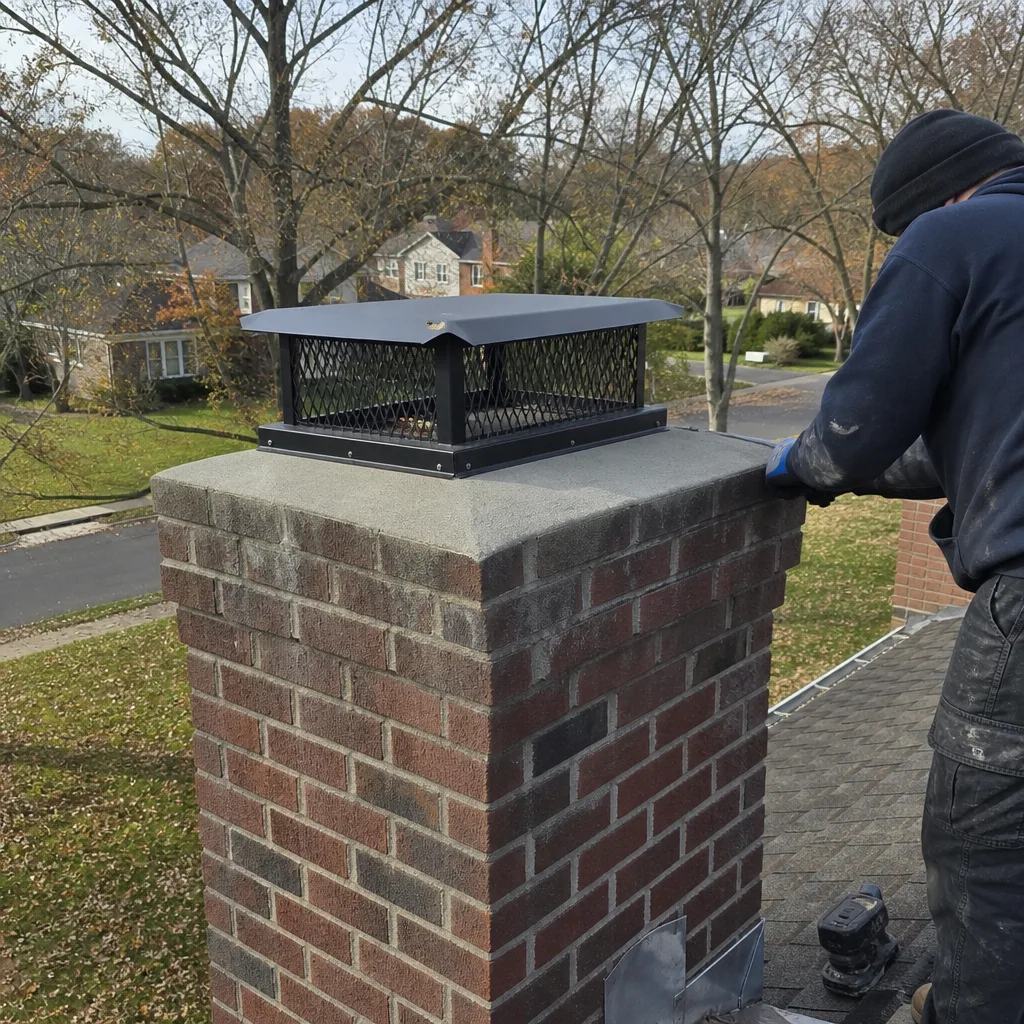 After
AfterSoot Removal in Rockland County, NY
Soot removal in Rockland County typically runs $150 to $350 for a standard fireplace flue, depending on how much has built up and how long it has been since the last sweep. Most jobs are completed in a single visit, and the flue is ready to use the same day. If you’re seeing black residue around the firebox, smelling smoke in rooms other than the one with the fireplace, or noticing soot on the damper or surrounding masonry, it’s time to call.
We’re Top Hat Chimney, and Wendell Pike has been pulling soot out of Rockland County chimneys since 1999. We serve homeowners in Suffern, Nanuet, Spring Valley, Haverstraw, Stony Point, Pearl River, Sloatsburg, and communities throughout the county. If you’d rather talk it through before booking, call us at (845) 599-0832 – a live person picks up every time, any hour of the day.
Soot removal is part of what we do under our full Chimney Cleaning & Sweep in Rockland County service. This page focuses specifically on soot – what it is, when it becomes a problem, and exactly how we clear it.
What Soot Actually Is – and Why It Matters
Soot is the fine black powder that forms when wood, gas, or oil doesn’t burn completely. Every fire produces some of it. A little soot on the firebox walls after a season of burning is normal. What’s not normal is a thick accumulation on the smoke shelf, a caked liner, or soot that has started migrating out of the firebox into your living room.
The distinction that matters most is where soot sits in the creosote spectrum. First-degree creosote is mostly soot – dry, powdery, easy to brush away. Second-degree creosote is flakier and harder. Third-degree is a dense, tar-like glaze baked onto the liner. First-degree is a brush job. Third-degree is a different conversation altogether – catch it early, and the fix is straightforward. Let it go three or four seasons, and you’re looking at a chemical treatment or a liner replacement.
Rockland County’s weather makes this more pressing than homeowners sometimes realize. The county sits between the Hudson River and the Ramapo Mountains, and that geography brings wet winters with wide temperature swings. Fires that smolder through a cold, damp night – common in older drafty homes in Haverstraw and up through Stony Point – produce more incomplete combustion than a hot, well-fed fire. That means more soot, faster. We see it every season.
When You Need Soot Removal
- Black staining around the firebox opening or on the surrounding masonry. Soot that has migrated past the firebox is a sign the flue isn’t drawing correctly – sometimes a blockage, sometimes a damper problem, sometimes just a buildup that has narrowed the flue passage enough to push smoke back into the room.
- A persistent smoke smell even when the fireplace isn’t in use. In homes in Pearl River and Nanuet with older brick chimneys, this is often soot saturated into the smoke shelf or damper area slowly off-gassing. It gets worse on humid days.
- A visible black powder or residue on the damper plate. Open the damper and look up with a flashlight. If the metal is coated with a thick black layer, the flue above it likely has the same.
- It’s been more than 12 months since the last sweep – burn or no burn. Chimneys develop problems in the off-season: nesting materials, moisture intrusion, mortar shifting. A chimney that sat unused through a wet Rockland County summer can still accumulate enough debris and condensation residue to warrant a cleaning before the first fire of fall.
- You just bought the house and don’t have records. We see this constantly in older homes in the Sloatsburg and Suffern areas – a fireplace that hasn’t been documented in years. Don’t light it until someone has been inside the flue.
- The fireplace produces less heat than it used to, or fires are harder to start. A soot-narrowed flue restricts airflow. Less draft means harder starts and more smoke in the room. This is a soot problem until proven otherwise.
Our Soot Removal Process
- Walk-through and visual inspection before any tools come out. Wendell or the sweep who shows up at your door starts by asking a few questions – how often you burn, what kind of wood, when the fireplace was last serviced. Then we open the damper and do a visual check from the firebox up. This tells us roughly what we’re dealing with before we set up a single drop cloth.
- Firebox and living area protection. We seal the firebox opening with a dust barrier and lay drop cloths across the hearth and any nearby floor or furniture. Soot is fine and it travels. A sweep who doesn’t prep the room properly is leaving your house with a cleanup job. We don’t do that.
- Top-down chimney brushing with industrial rotary equipment. We work from the top of the chimney down, using wire or poly brushes sized to your specific liner – round or rectangular, whatever matches your flue. We use Copperfield chimney brushes and rods, which are industry standard for a reason: they’re rigid enough to scrub but flexible enough to navigate offsets common in older Rockland County chimneys without damaging tile liners. All loosened soot falls into the firebox and is vacuumed at the bottom.
- HEPA vacuum extraction at the firebox. Commercial HEPA vacuums pull the dislodged soot, dust, and debris from the firebox before any of it can circulate into your living space. This is a non-negotiable step for us, especially in homes with allergies or respiratory concerns.
- Camera inspection of the liner after cleaning. Once the flue is clear, we run a camera through it. The footage tells us the condition of the liner, the mortar joints, and the crown. You get a plain-English verdict – not a scare tactic, not a vague warning. If nothing needs attention, we say so. If something does, we show you the footage and explain what it means in plain terms.
- Summary and upfront quote for any additional work. If the camera reveals cracked tile, a deteriorating crown, or anything else that warrants attention, we price it out on the spot before touching it. The number on the invoice matches the number we give you. That’s not a slogan – it’s how every single job works, backed by our 90-Day Done Right Promise in writing.
Soot Removal Pricing in Rockland County
Soot removal pricing in Rockland County depends on a few straightforward variables: flue length, degree of buildup, and whether the job turns up anything else that needs attention. Here’s what most homeowners in the area can expect:
| Job Type | Typical Price Range |
|---|---|
| Standard soot removal, single fireplace flue (first-degree) | $150 – $250 |
| Soot removal with moderate buildup (second-degree creosote) | $220 – $350 |
| Heavy soot/creosote removal requiring additional treatment | $350 – $600+ |
| Add-on camera inspection (included with most cleans) | No additional charge in most cases |
| Soot removal, oil furnace flue or boiler flue | $180 – $320 |
A few things affect where your job falls in that range. Homes in older parts of Haverstraw and Spring Valley with double-story chimney stacks take longer to sweep top-to-bottom than a single-story ranch. If the flue hasn’t been swept in several years – which is common when we pick up new customers from the Nanuet and Congers areas – the buildup is thicker, and the chimney cleaning job near you in Rockland County, NY takes more passes.
There is no trip charge for calls inside Rockland County. Seniors and veterans always get 10% off, and if a repair is needed and comes to more than $200, $40 comes off that bill automatically. Estimates are free – there’s no cost to have us come out, look at the chimney, and tell you what we see.
If you’ve gotten a written estimate from another company and something about it doesn’t sit right, bring it to us. We offer a free second opinion on any competing written estimate. No obligation.
Key Takeaways
- Soot removal in Rockland County runs $150 to $350 for most single-flue jobs.
- Annual sweeps catch soot before it becomes hardened creosote – a much more involved problem.
- Rockland County’s damp winters and wide temperature swings accelerate buildup, especially in homes that burn slow, smoldering fires.
- Every soot removal job includes a camera inspection and a plain-English verdict.
- Upfront pricing before any work starts, backed by the 90-Day Done Right Promise in writing.
- No trip charge within the county. Free estimates. 10% off for seniors and veterans.
FAQs – Soot Removal
How often does soot need to be removed from a chimney in Rockland County?
Once a year is the standard recommendation, and it holds whether you burned heavily all winter or lit the fireplace only a handful of times. Even a chimney that sat mostly idle through a Rockland County winter can collect moisture residue, animal debris, and enough soot from a few fires to warrant a cleaning. The Chimney Safety Institute of America puts it plainly: annual sweep and inspection, full stop. Call us at (845) 599-0832 to schedule before the busy fall season, when booking gets tight.
Is soot removal different from a regular chimney sweep?
Soot removal is the core of a chimney sweep – it’s what most of the brushing and vacuuming work is actually clearing. The terms are often used interchangeably because soot is the most common thing we’re removing. A full chimney sweep, like what we offer under our home services, also includes an inspection for cracks, mortar deterioration, cap and crown condition, and liner integrity. If someone quotes you a “soot removal” that doesn’t include at least a basic inspection, ask what’s actually covered. We include a camera inspection on every job.
Can I remove soot from a fireplace myself?
You can clean the firebox – the visible chamber you load the wood into – with a stiff brush and a HEPA shop vac. That’s a reasonable DIY task. The flue itself is a different matter. Soot in the liner, on the smoke shelf, and around the damper is difficult to reach safely without the right brushes and equipment, and it’s easy to miss the buildup that actually poses a fire risk. High-tension components aren’t a concern here, but working inside a chimney flue without training means you’re likely leaving the parts that matter most untouched. For anything above the damper, have a Chimney Cleaning & Sweep service do it.
What happens if soot isn’t removed and I keep using the fireplace?
First-degree soot left in place through another season of burning converts to second- and third-degree creosote. Third-degree creosote is essentially a flammable glaze baked onto the liner – it burns at temperatures high enough to damage tile liners and, in serious cases, ignite surrounding wood framing. A chimney fire in a home in Spring Valley or Stony Point, where older construction is common, can spread fast. Beyond the fire risk, heavy soot narrows the flue and pushes carbon monoxide and smoke back into the living space. Soot is cheap to remove when it’s first-degree. Wait, and the cost and risk both go up. Call (845) 599-0832 for a free estimate and we’ll tell you exactly what’s in there.
Why Rockland County Homeowners Call Top Hat Chimney
There is no shortage of chimney companies advertising in Rockland County. Some of them are perfectly good. Some of them are out-of-county outfits that quote $49 on the phone and find $600 worth of “problems” once they’re in your house. We’ve heard that story from customers in Suffern, in Congers, in Tappan – more times than we can count.
Wendell Pike has been working these communities since 1999. His name is on the truck, on the license, and on the 90-Day Done Right Promise that comes with every job. If something isn’t right after we leave – and in over 29 years of service it occasionally happens – one call brings the crew back at no additional cost. That’s in writing on every invoice, not just something we say.
The sweep who shows up at your door is background-checked, arrives in uniform, and gives you a real arrival window. If something changes, we call. There’s no voicemail box. A live person – often Wendell himself – picks up the phone around the clock.
We work with Copperfield and Famco products because they perform and hold up in the field. We don’t upsell products a chimney doesn’t need. And we don’t charge a trip fee for jobs inside Rockland County.
Ask anyone on your street who’s had their chimney swept. If they’ve been using us, they’ll say as much. If they haven’t, ask them how the last appointment went.
Book a Soot Removal in Rockland County
If your fireplace has been sitting unused, smells off, or just hasn’t been swept in over a year, don’t wait until the first cold night to find out it needs work. Call Top Hat Chimney at (845) 599-0832 to schedule a free estimate. A live person will pick up, we’ll ask a few questions about your fireplace and your schedule, and we’ll get Wendell or one of his crew to your door with a real arrival window – not a four-hour block and a shrug. Estimates are always free, and the price you hear on the phone is the price on the invoice.
Written by Wendell Pike, Owner at Top Hat Chimney, serving Rockland County since 1999.