
Level 1 sweep and inspection to the NFPA 211 annual standard - flue, crown, cap, and flashing checked and photographed
Chimney sweep logs do not sweep chimneys. They loosen some creosote - which then falls where a brush and vacuum still have to collect it.
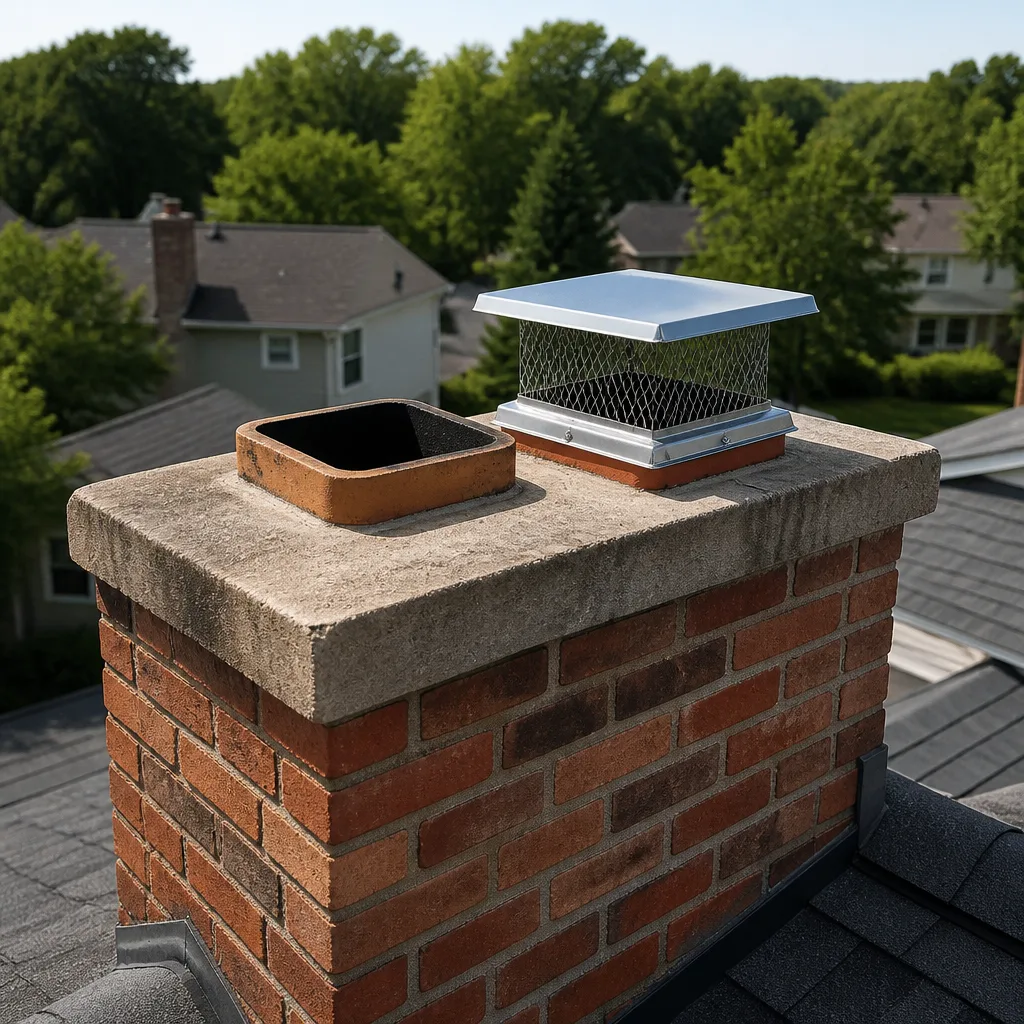
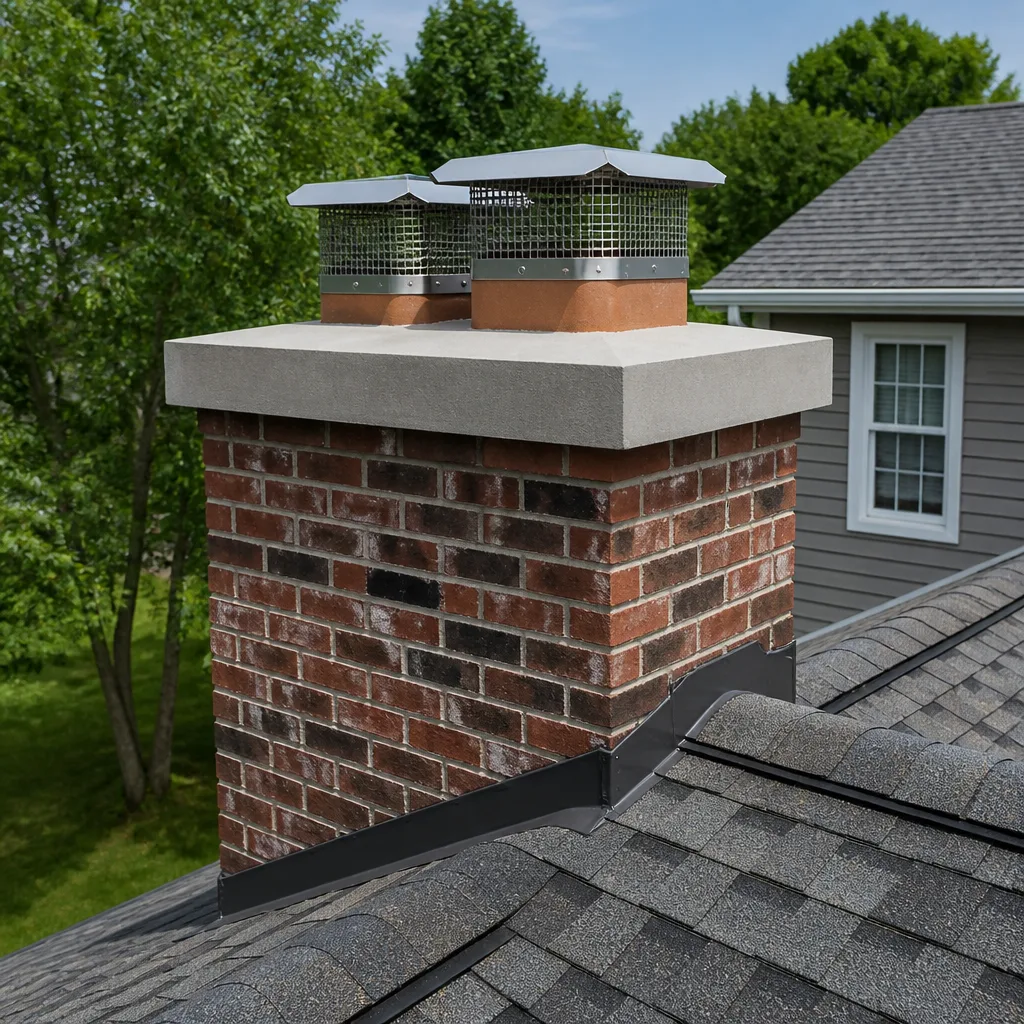
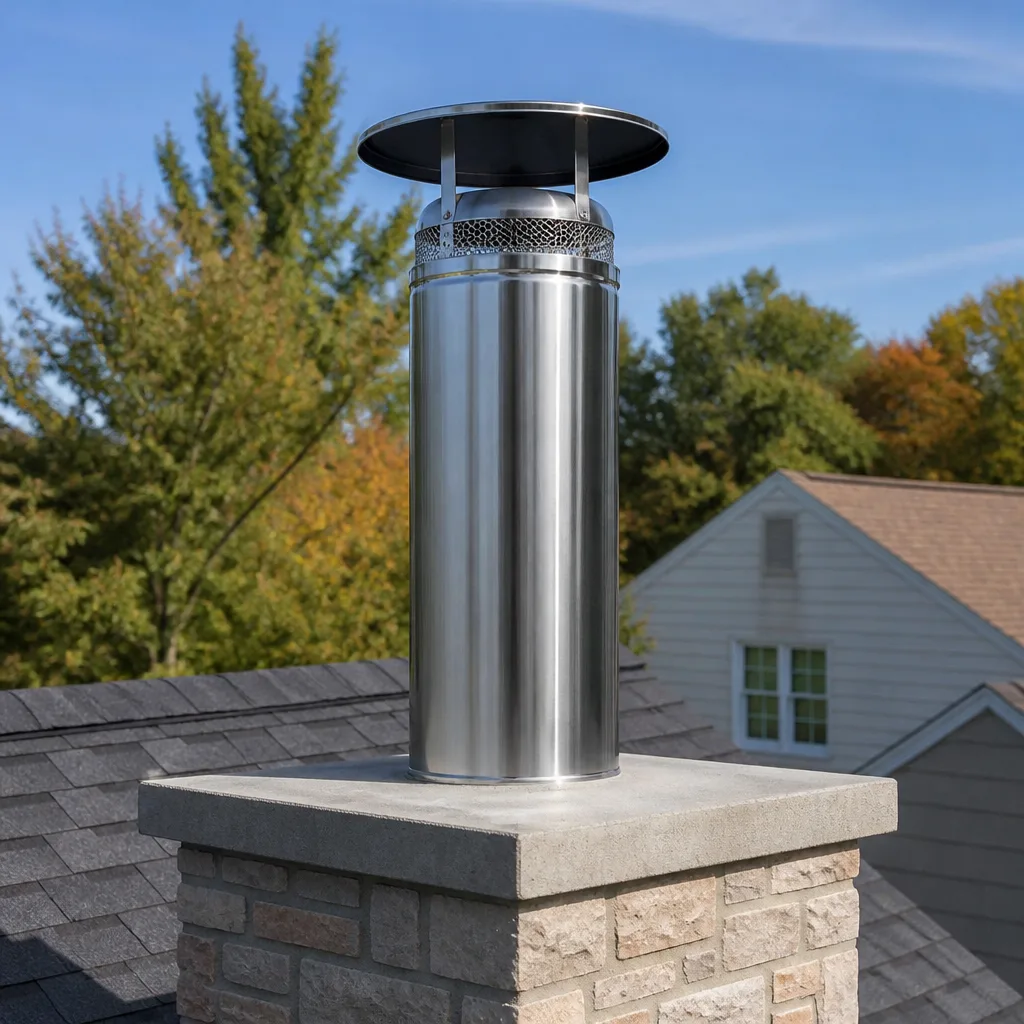
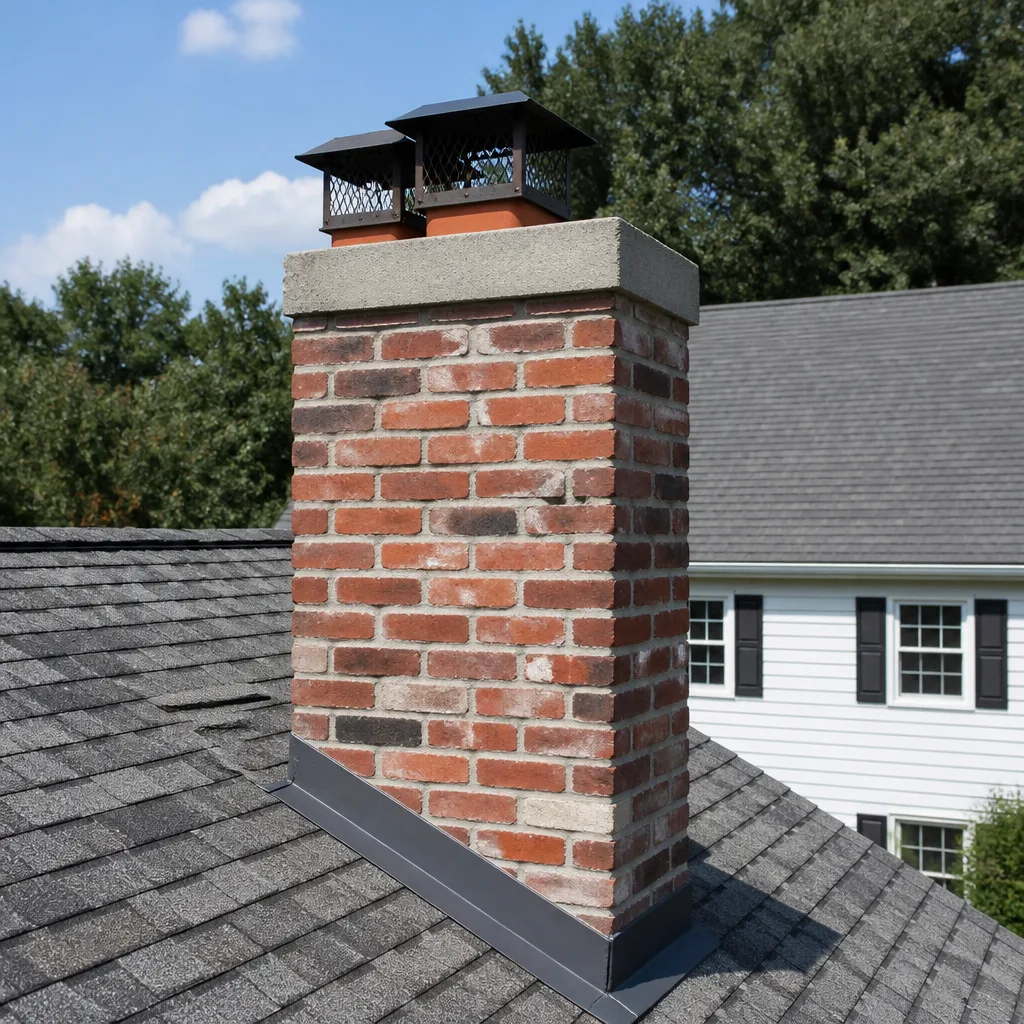
 Before
 After
After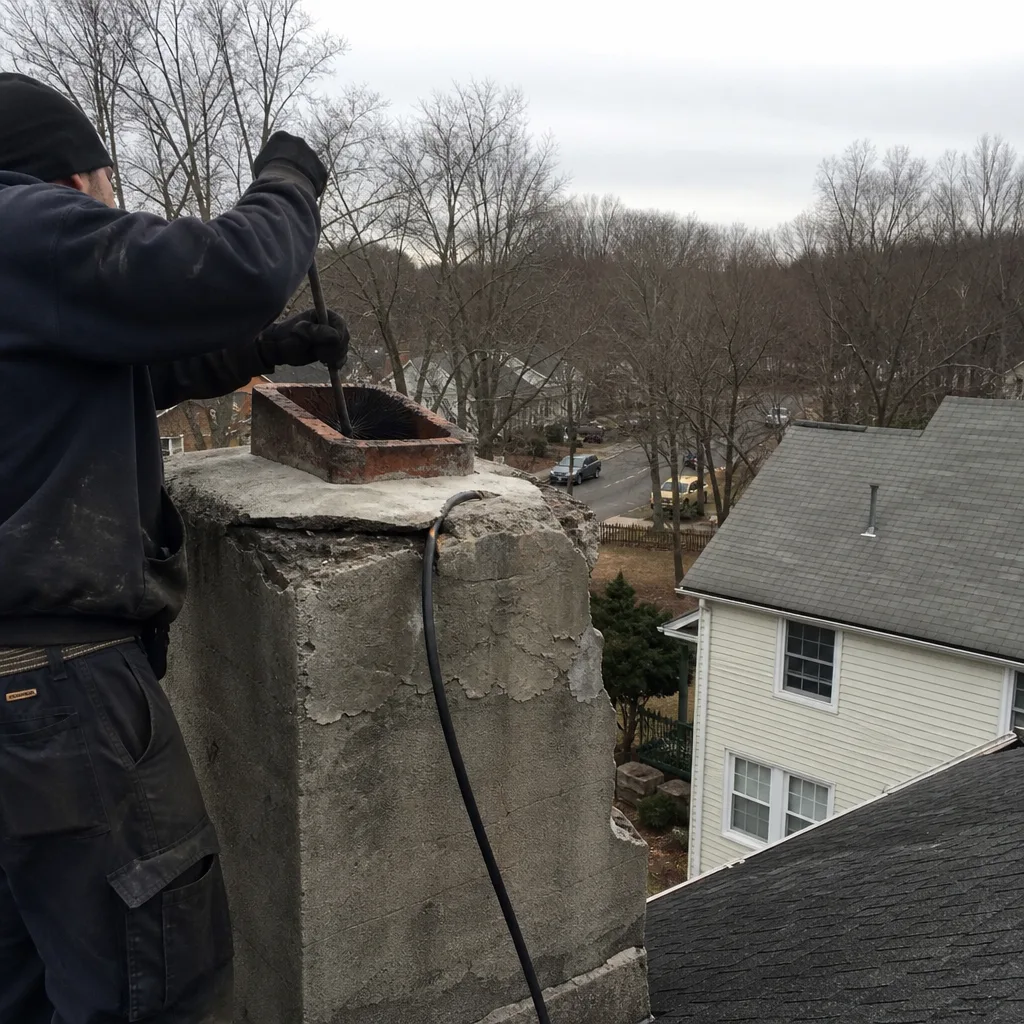 Before
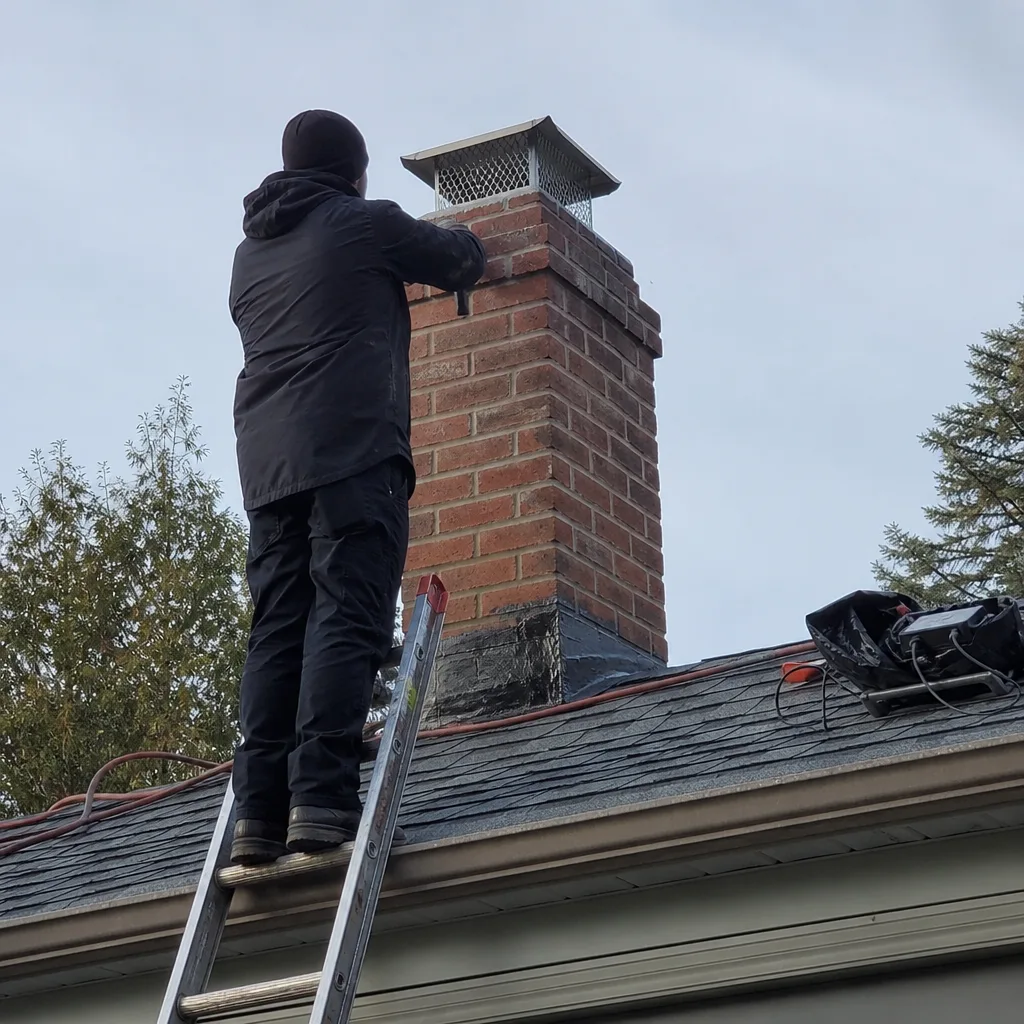 After
After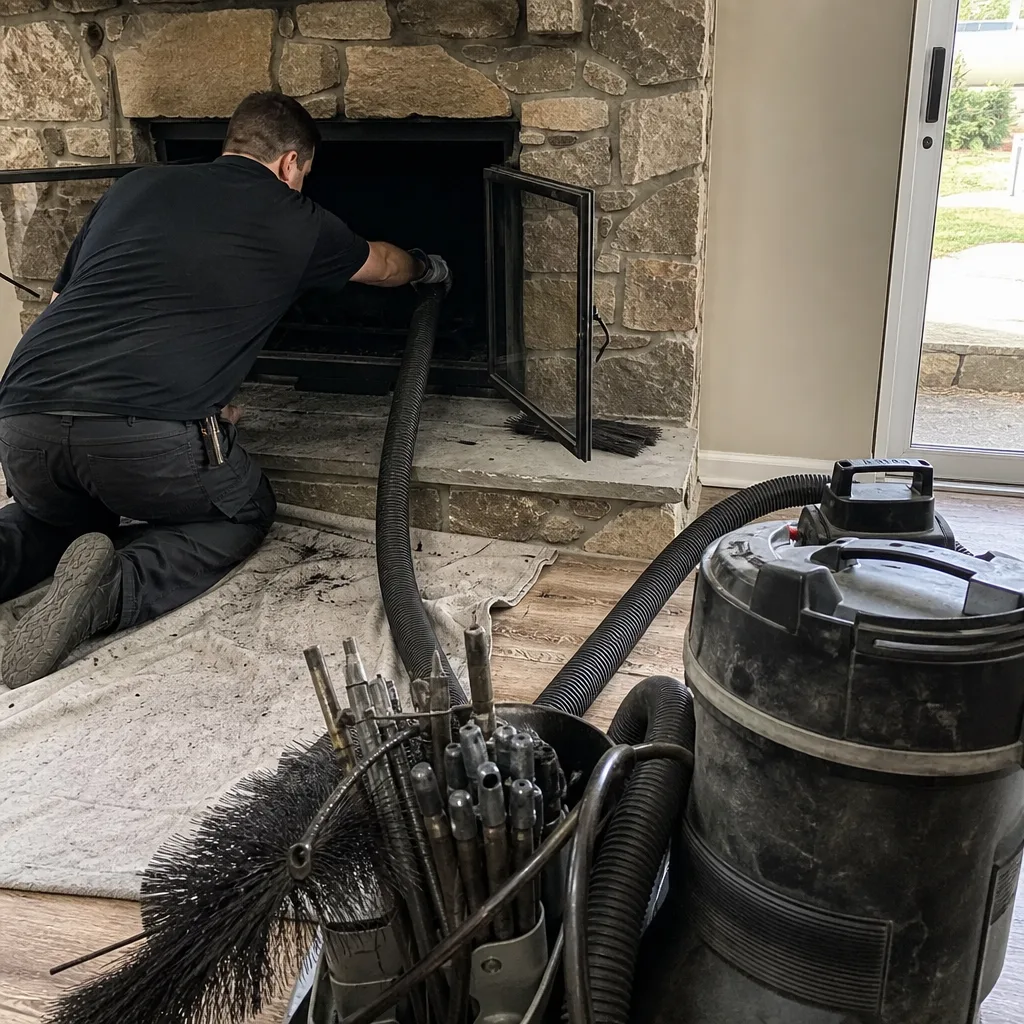 Before
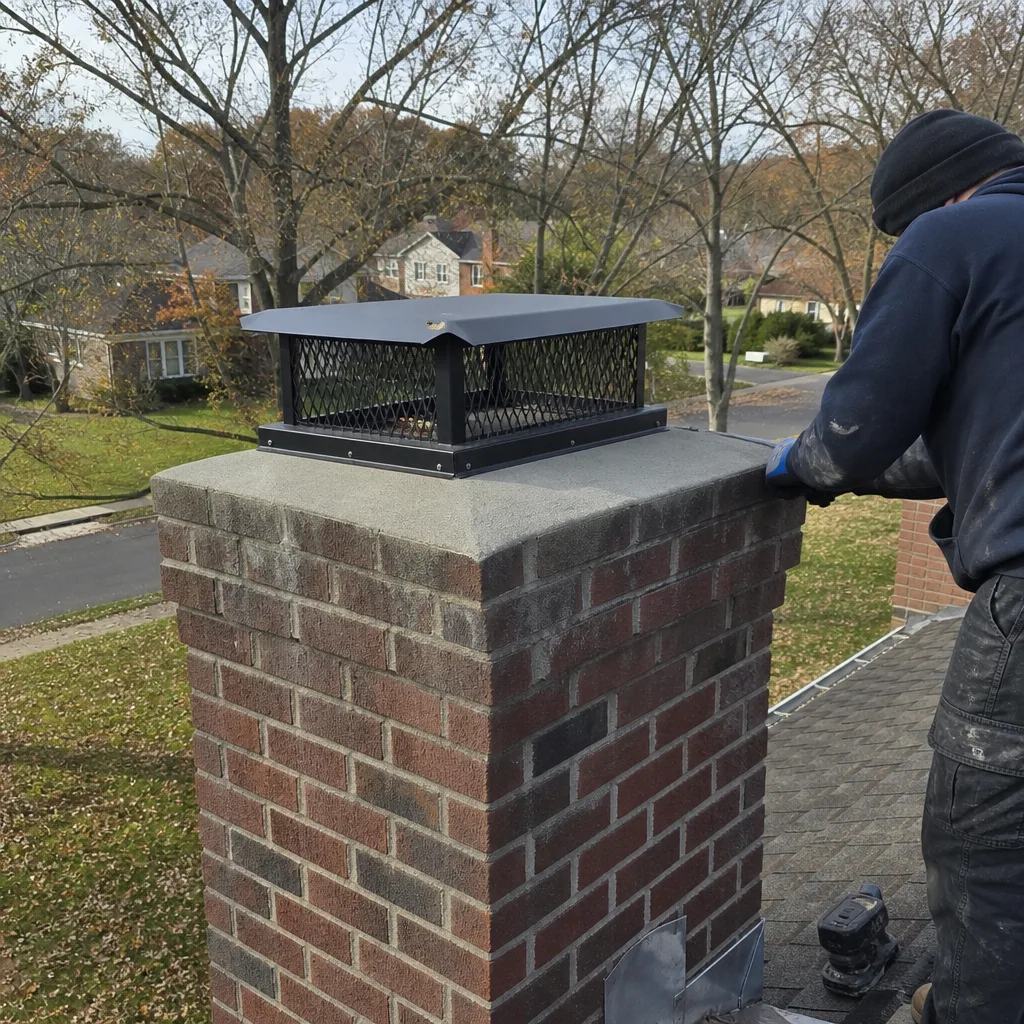 After
AfterHeatShield Crown Repair: The Rockland County Owner’s Guide
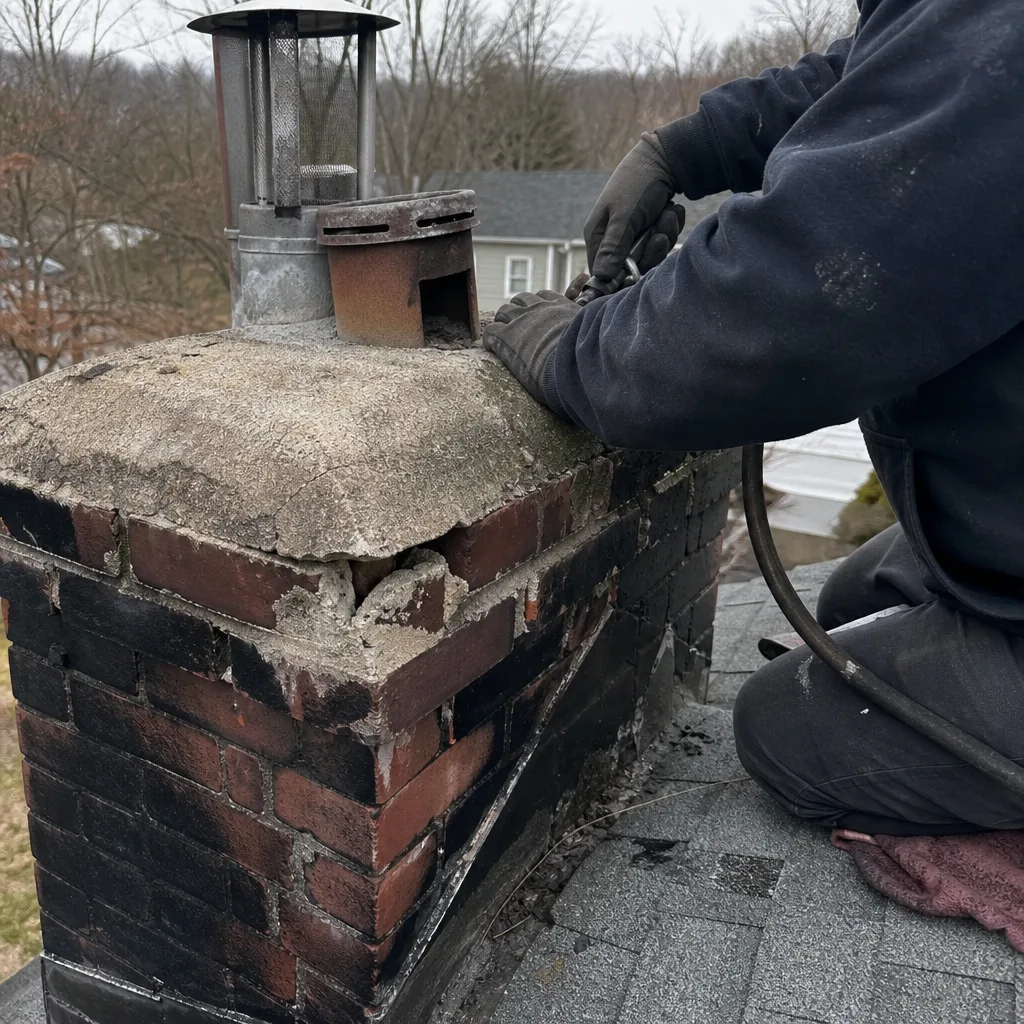
We stock and install HeatShield crown repair systems for chimneys throughout Rockland County, with most jobs running between $450 and $900 installed depending on crown size and condition. The work usually takes one visit, and we carry the HeatShield cerfractory material on the truck so there’s no waiting on a shipment. Most homeowners discover the crown has failed the same way: they see water staining on the ceiling near the chimney, or notice chunks of mortar on the roof after a storm, or spot hairline cracks spreading across the crown surface from the driveway. By the time you see it, water has usually been working its way into the crown for at least a season. HeatShield is the right fix for this because it’s designed to bond to the existing crown and stop the freeze-thaw cycle that keeps cracking it wider every winter here in the Hudson Valley.
Which HeatShield Models This Applies To
HeatShield’s crown repair system falls under the CeCure line, which is their cerfractory sealant product family. It’s not a part that’s tied to a specific chimney model the way a liner kit is. It works on masonry chimney crowns of any make, and it’s the same material whether you have a HeatShield liner system already installed or you’re pairing it with something else like a DuraFlex or Gelco liner. The key compatibility point: HeatShield CrownSeal is spec’d for use on crowns that are still structurally intact but showing surface cracks, spalling, or minor deterioration. If the crown has deep structural cracking or missing sections larger than a few inches, we’ll tell you honestly that a full crown rebuild is the better call. We can still use HeatShield as a top coat on a rebuilt crown, which gives you the best of both.
What goes wrong first, in our experience, is the original mortar cap. Masons in Rockland County poured a lot of crowns in the 1960s through the 80s using a standard mortar mix that was never meant to sit exposed to decades of freeze-thaw cycles. It cracks. Water gets in. The cracks widen. Then the crown starts spalling, which means the surface literally flakes away. HeatShield CrownSeal is a proprietary cerfractory blend that’s a different animal from the mortar originally used. It’s designed to flex slightly with temperature changes instead of cracking, and it bonds to the existing surface in a way that seals the whole crown as a single unit. The other thing worth knowing: the material is a two-part mix, and ambient temperature matters during application. We won’t install it when it’s below 40 degrees out, because the cerfractory needs a proper cure window. That matters in Rockland County, where the shoulder seasons can play games with temperatures. We schedule crown work from spring through late fall for that reason, and we’ll tell you straight if the forecast looks too cold for a proper cure.
Signs Your HeatShield Crown Repair Is Failing
- Water stains on the ceiling or walls near the chimney. This is the one that gets people to call. Water enters through crown cracks, travels down through the brick, and shows up inside the house. By the time you see a stain, the crown has been letting water through for a while.
- Chunks of mortar or crown material on the roof or in the gutter. Spalling crowns shed material. If you find bits of sandy mortar in the gutter below the chimney, that’s your crown breaking apart from freeze-thaw cycles, not a normal aging process.
- Visible cracks in the crown surface, especially radial cracks spreading from the flue opening. Hairline is normal with age. A crack you can fit a quarter into is not. Radial cracks from the clay flue tile outward are the classic failure pattern we see from Nyack down to Pearl River.
- Dampness or efflorescence on the brick near the top of the chimney. That white, chalky mineral deposit on the brick is salt being pushed out of the masonry by water moving through it. If it’s near the top of the chimney, the crown is almost always the source of the water.
- The crown surface feels sandy or crumbly when touched. A healthy crown surface is hard. If it feels like a sandy sidewalk after a winter, the mortar has lost its strength and it’s not protecting anything anymore. A quick brush of the hand tells you more than most gadgets will.
Replacement Cost & What’s Included
In Rockland County, a HeatShield crown repair job on a typical single-flue chimney runs between $450 and $900 installed. Two-flue chimneys or larger crowns run higher, and a full crown rebuild before the HeatShield application adds $900 to $1,800 depending on size, access, and how much demolition the old crown requires. What drives the range: crown square footage, how much surface prep is needed, roof pitch and access, and whether the chimney is easy to reach by ladder or needs staging. You get the exact number up front, before a single tool comes off the truck, and that’s the number on the invoice.
Every HeatShield crown repair we do includes surface prep: cleaning, removing loose mortar, and profiling the surface so the cerfractory bonds. Then the HeatShield application itself. Then a final inspection where we walk you through what we did and what to expect. The work is backed by our 90-Day Done Right Promise in writing. If it’s not right, one call brings us back at no charge. The HeatShield material itself carries a manufacturer warranty that varies by product, and we’ll explain exactly what’s covered before you commit.
DIY or Call Us?
Here’s the honest split. You can safely inspect your crown from the ground with binoculars or from a ladder if you’re comfortable on one. Look for cracks, spalling, and the signs we listed above. That’s a good use of a Saturday morning, and it’ll tell you whether you need to make the call. What you shouldn’t DIY is the repair itself. The crown is at the top of the chimney, usually on a roof, often on a slope, and working on it means being on that roof with tools and materials. Beyond the fall risk, the HeatShield system requires proper surface prep and a correct mix ratio. Get the mix wrong or skip the prep, and the material won’t bond properly. You’ll be back in the same spot next year, or worse, you’ll have trapped moisture under a layer that looks fine from the ground.
We’ve fixed enough DIY crown patches over the years to know how that story ends. Most of them used roofing tar or caulk from the hardware store, and most of them failed within 18 months. HeatShield CrownSeal is not a product you’ll find on a shelf, and there’s a reason for that. It’s a professional repair material meant to be applied by someone who does this every day. If you want us to take a look, call (845) 599-0832. We’ll give you a straight answer on whether the crown actually needs the work. If it doesn’t need doing, Wendell will tell you that too.
FAQs
HeatShield CrownSeal typically lasts 10 to 15 years in the Hudson Valley climate, which is two to three times longer than a traditional mortar patch on a crown that’s been cracking. The cerfractory material is formulated to handle the freeze-thaw cycles that destroy standard mortar crowns. How long it actually lasts depends on the condition of the crown underneath, the exposure of the chimney, and whether the surface was properly prepped. Call (845) 599-0832 and we’ll give you an honest assessment for your specific chimney.
Yes, as long as the crown is structurally intact with surface cracking, minor spalling, and no large missing sections. HeatShield CrownSeal is designed exactly for that condition. If we find deep structural cracks, a crown that’s sagging, or sections that have broken away, a rebuild is the honest answer. We always run a camera and show you the footage before recommending anything, so you’ll see exactly what we’re seeing. Call us for a free estimate and we’ll tell you which route your chimney needs.
Most single-flue crown repairs are done in 3 to 5 hours on site, including prep, application, and cleanup. The material needs time to cure after we leave, which is why we’re picky about weather and temperature windows. We won’t rush a cure just to fit the calendar. Call (845) 599-0832 and we’ll work around the forecast to get the job done right.
Yes. We keep HeatShield CrownSeal in stock on our service vehicles, so there’s no delay between the inspection and the repair on most jobs. That’s part of being an independent shop serving Rockland County: we don’t have to order material from a warehouse in another state when you call. We carry HeatShield, DuraFlex, and Gelco products in stock for the jobs we do most often. Call (845) 599-0832 to schedule an inspection and repair on the same visit.
Written by Wendell Pike, Owner, Top Hat Chimney, serving Rockland County and nearby areas.